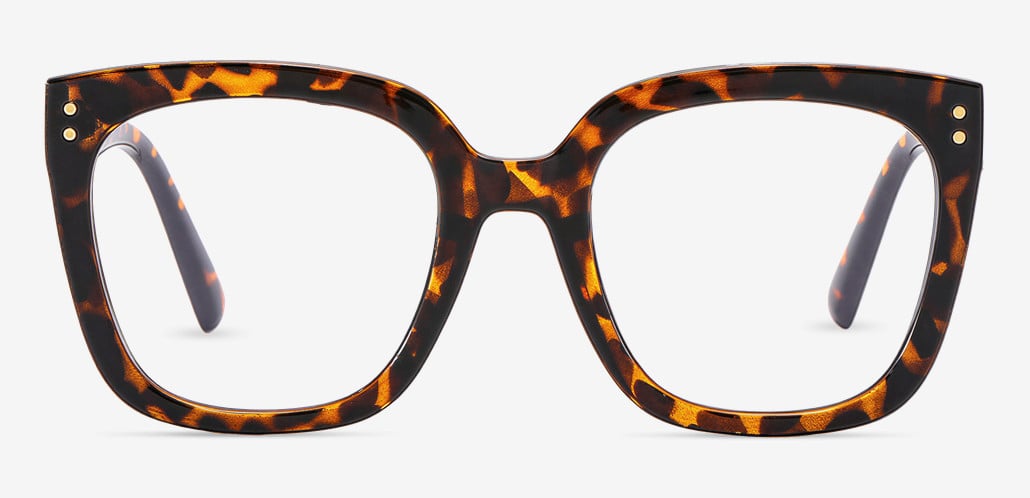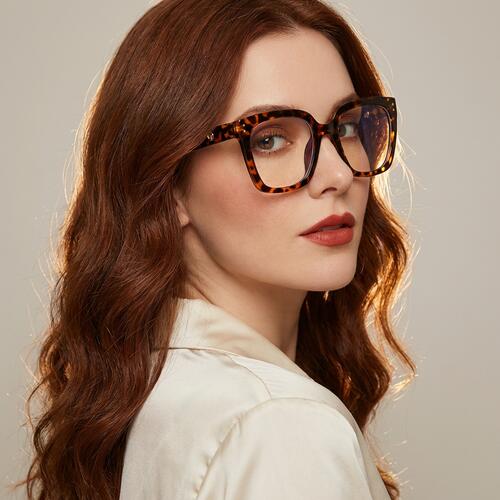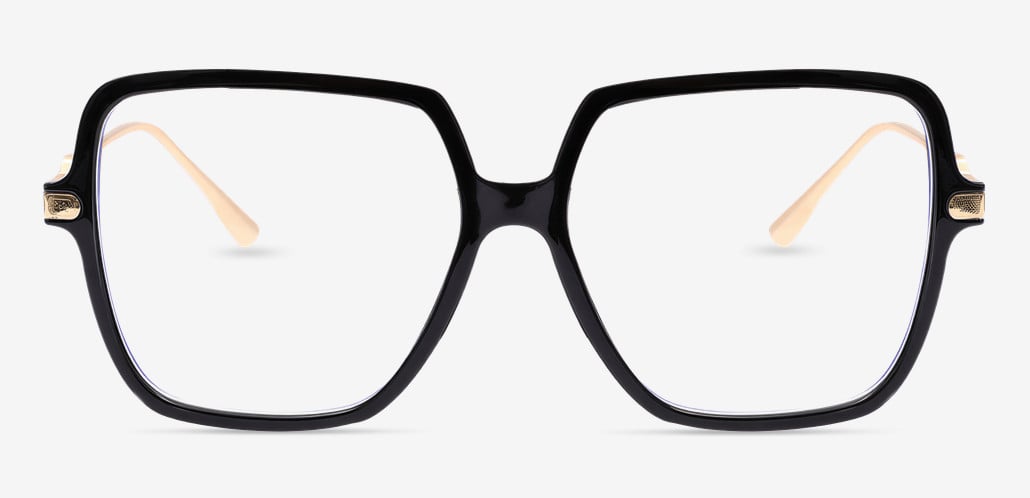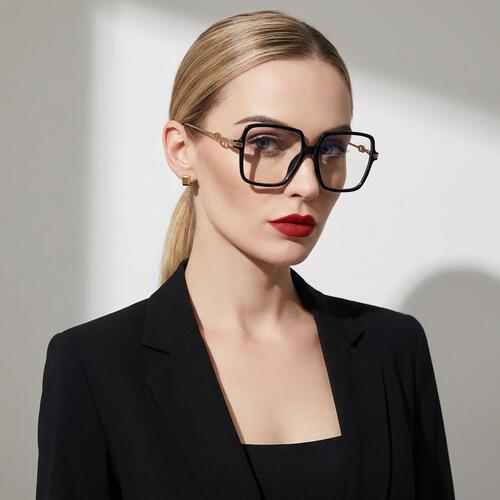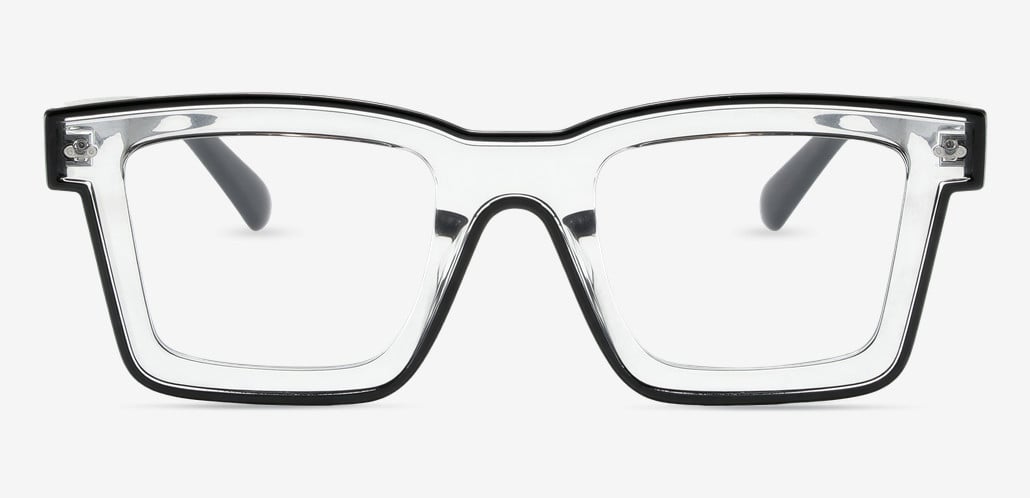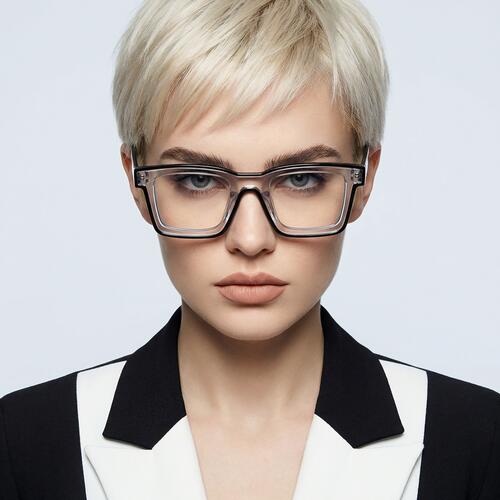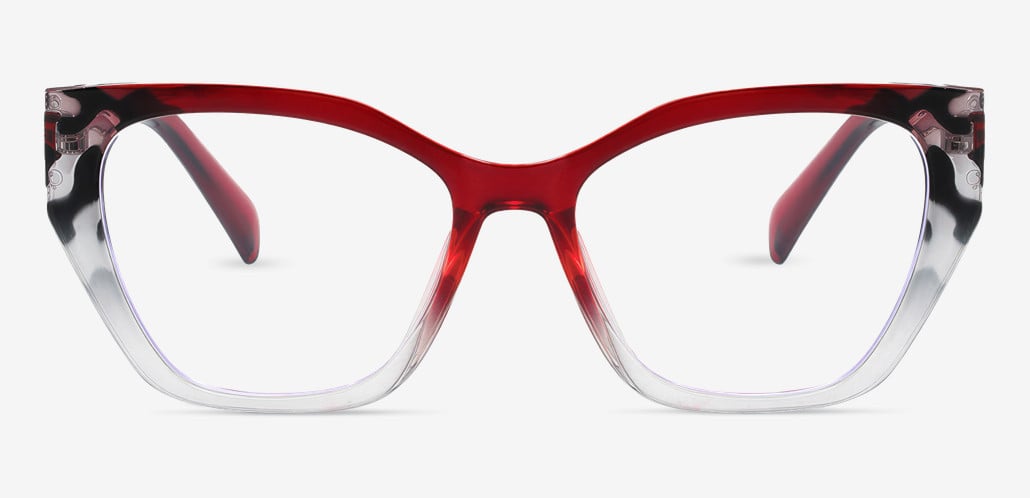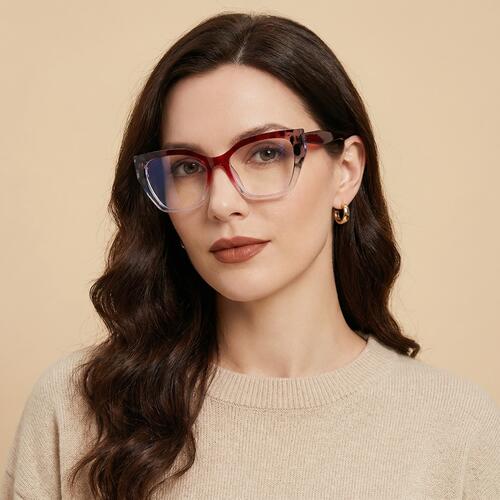

The most common thing I hear at the dispensing counter about browline glasses isn't a question. It's an apology. Someone tries on a pair, looks in the mirror, and says some version of: "I love these on the display, but they look strange on me." Then they reach for their face shape — "I think it's my round face" — as if their cheeks have personally betrayed them.
Nine times out of ten, the face shape isn't the problem. The brow bar is. Or the width. Or the way the frame is sitting half an inch too high.
Browline frames are one of the few styles people buy for the idea of them — the mid-century, intellectual, slightly retro look you've seen on everyone from jazz musicians to tech founders — and then are surprised when the idea doesn't translate to their own face. That's not a styling failure. It's that browline glasses behave differently from every other frame in the case, and almost nobody explains how. So let's actually explain it.
Why browline glasses don't follow the usual face-shape rules
Open any "glasses for your face shape" guide and you'll get the same advice: pick a frame shape that contrasts with your face shape. Round face, go angular. Square face, go round. It's fine advice for a normal frame, because a normal frame is one continuous shape doing one job.
A browline frame is not one shape. It's two halves doing two completely different jobs.
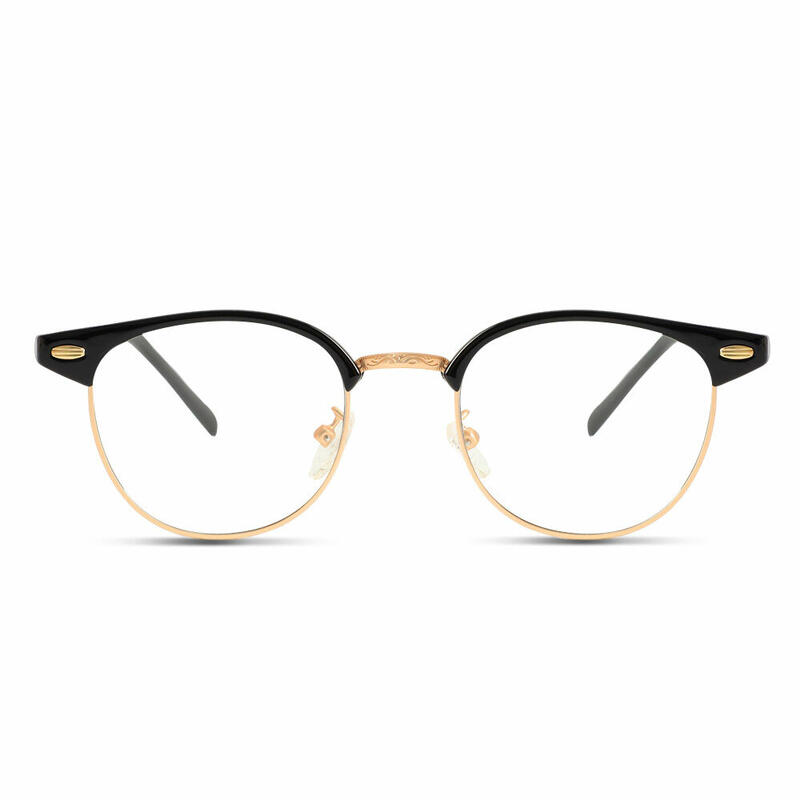
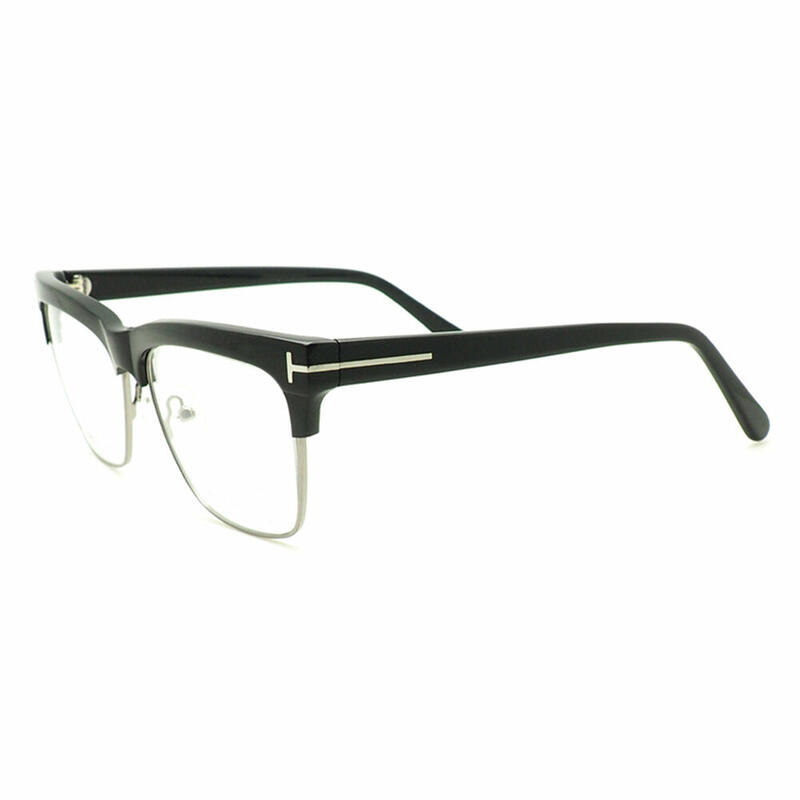
The top is heavy and assertive — a thick "brow" that runs across the upper rim, usually in acetate or a bold metal bar, designed to mimic the line of your eyebrows. The bottom is the opposite: thin metal, a faint half-rim, or nothing at all. (You'll also hear these called Clubmaster-style or half-rim frames.) That split is the entire personality of the style, and it creates two effects that the standard charts ignore:
It draws a strong horizontal line across the top third of your face. Your eye reads that line first, before it reads the overall shape of the lenses.
It shifts your visual weight upward. Because the top is loud and the bottom is quiet, attention rises toward your brow and eyes, and the lower half of your face quietly recedes.
Once you understand those two effects, choosing the right pair stops being a guessing game. You're no longer asking "what frame matches my face shape?" You're asking "where does my face need that line, and does it need weight pulled upward?" Those are different — and much more useful — questions.

The brow-bar test almost nobody mentions
Before face shape, before width, before color, there's one check that decides whether browline glasses will ever look right on you: where the bar lands relative to your real eyebrows.
This is the single biggest reason browline frames look "off" on people, and I have never once seen it covered in a face-shape article. Here's the rule of thumb I give every customer. Put the frame on, look straight ahead in a mirror, and notice the gap between the top of the frame and your eyebrows.
The bar sits just below or right along your brows. This is the look you're after. The frame reads as a deliberate extension of your face. It looks intentional.
The bar floats well above your brows. Now you have what I call the double-brow problem — two parallel lines stacked across your forehead, your real brows and a fake set above them. It looks like the glasses are perched, not worn.
The bar cuts straight through the middle of your eyebrows. Busy and a little chaotic. Your brows fight the frame for the same real estate.
Your eyebrows themselves change the math, too. If you have bold, dark, prominent brows, a heavy black brow bar competes with them — two strong horizontals doubling up. A lighter bar (gold, silver, or a slim metal line) gives you the browline silhouette without the pile-up. If your brows are sparse, light, or far apart, the opposite is true: a defined brow bar actually does the work your eyebrows aren't doing, adding structure and framing your eyes. Some of the best browline matches I've fit have been on people with very faint brows, precisely because the frame gave them definition they didn't have.
None of this is in a face-shape chart, and all of it matters more than your face shape. Check the bar first.
Match the frame to where your face needs balance
Now we can bring face shape in — but through the lens of what browline actually does, not a rote pairing table.
Because browline glasses add weight up top and let the lower face recede, the faces they flatter most naturally are the ones that are either heavier toward the jaw or narrower across the forehead. The frame is doing the inverse of those proportions, which balances them. The faces that need more care are the ones already carrying width or angle up high, because browline can pile on what's already there.
Here's how that plays out, shape by shape.
Triangle (or pear) — narrow forehead, fuller jaw. This is, in my experience, browline's best match, and it's almost never listed as such. Your face carries weight low; browline adds weight high. The brow bar widens and emphasizes the narrow upper third, and the light lower rim keeps from adding bulk near your jaw. You want a frame with a clearly defined bar and enough width at the top, without going so wide that it overwhelms. A bolder bar like the Arlen (item OG30743, 137mm wide) does exactly this kind of balancing.
Diamond — narrow forehead and chin, wide cheekbones. Same logic. Your narrowest points are top and bottom; your cheekbones are the widest. Browline adds welcome width and emphasis exactly where you're narrowest — the brow — which evens out the proportion. Diamonds tend to look great in browline and rarely realize it.
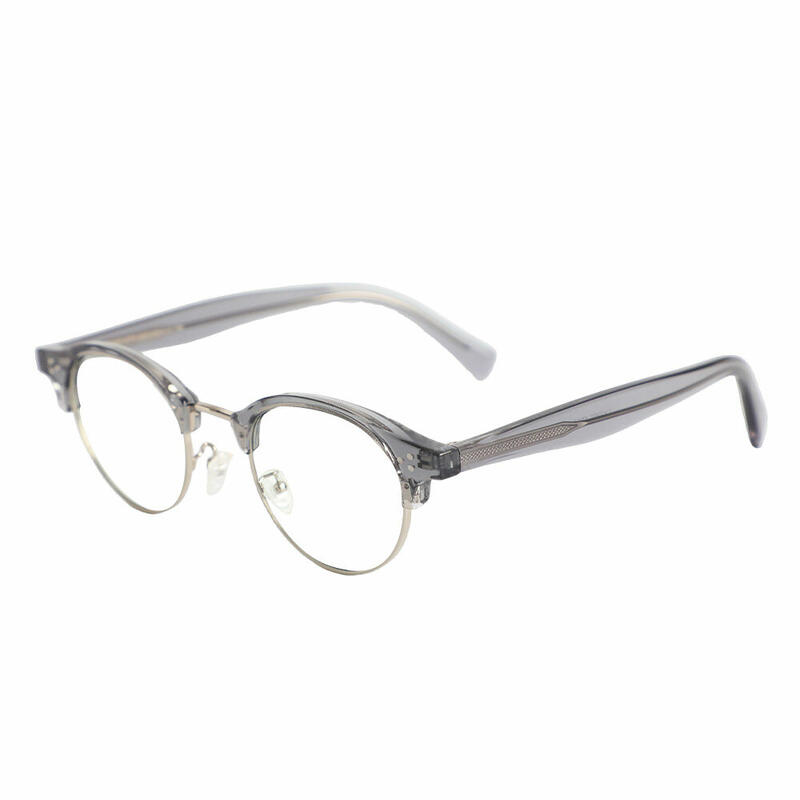
Round — soft curves, similar width and length, full cheeks. Round faces lack angles, and browline is one of the most angular things you can put on a face: a strong straight bar across the top. That contrast adds definition and structure. Lean toward a frame with a crisp, defined bar rather than a soft rounded one. If you want the structure but not the severity, a metal bar in silver or gold softens the effect while keeping the line.
Oblong or long — noticeably longer than it is wide. Your goal is to break up vertical length, and a horizontal brow bar does that beautifully. The thing to watch is lens depth: a very shallow frame can make a long face look longer. Choose a pair with a taller lens height. The Naomi (OG30162) has a 46mm lens height, the deepest in the current browline lineup, which gives a long face more to work with vertically.
Square — strong jaw, angular features, similar width and length. This is where browline asks for restraint. Your face already has strong angles up high; a heavy, sharp brow bar can stack angle on angle and read severe. It's not a no — it's a "soften it." Look for a browline with a gently curved bar or a softly rounded lower edge, and don't go too wide, which would emphasize the jaw further. A frame that brings a little curve to the design balances the strength of a square jaw instead of competing with it.
Heart — wider forehead and brow, narrower chin. The trickiest match, and the one most "browline is universally flattering" articles get wrong. Your forehead is already your widest feature, and browline's whole job is to add emphasis up top — so the wrong pair exaggerates exactly what you'd want to balance. The fix is to keep the upper portion modest: a narrower bar, less width across the top, and ideally a touch of roundness or visible weight toward the lower half to draw the eye down. A smaller, rounder browline such as the Naomi (134mm — the narrowest in the range, with a softer rounded shape) suits a heart face far better than a wide, bold rectangular bar.
Oval — balanced length and width. You have the most freedom. The only real job is proportion: keep the frame width close to the width of your face so you don't disrupt the balance you already have. Almost any browline works; pick on style and the brow-bar test rather than worrying about shape.
If your face doesn't fit neatly into one of these — and most don't, they're blends — work from the principle instead of the label. Does your face need weight pulled up and a horizontal line across the top? Browline is for you. Does it already carry width and emphasis high? Choose a lighter, smaller, softer version.

The fit math people skip
Face shape gets all the attention, but width and bridge fit are what make a pair look bought-for-you versus borrowed. These are the numbers I check before I check anything else.
Frame width should roughly match your face width. The simplest in-mirror check: the outer edges of the frame should land close to the widest part of your face, near your temples — not pinching in, not jutting past. Aoolia's current browline frames run from about 134mm (the narrow Naomi) up to 144mm (the men's Roseme, OG50176). As a starting point: petite or narrow faces tend to sit well around 134–137mm, average faces around 140–142mm (the Harla, OG50184, is 142mm), and broader faces around 144mm. These are guidelines, not gospel — your own measurement always wins.
Bridge fit is where browline frames quietly fail. Here's a problem I see constantly and that almost no online guide addresses: if you have a lower or flatter nose bridge, a fixed-bridge frame slides down and ends up resting on your cheeks — which not only looks wrong but pushes the brow bar up into that double-brow position we talked about. The solution is adjustable nose pads, which let the frame sit at the right height regardless of your bridge. In the current lineup, the Harla (OG50184) and Roseme (OG50176) both have adjustable nose pads. If your glasses have always slid down or marked your cheeks, that feature alone may matter more than the shape.
A few things that change the picture
Strong prescriptions. If you're a high myope (a strong minus prescription), be a little careful with very open semi-rimless browline frames where the bottom of the lens is exposed. Thick lens edges show more when there's no rim to hide them. A browline with a fuller lower rim conceals edge thickness better, and high-index lenses keep everything thinner. Worth raising with whoever fills your prescription.
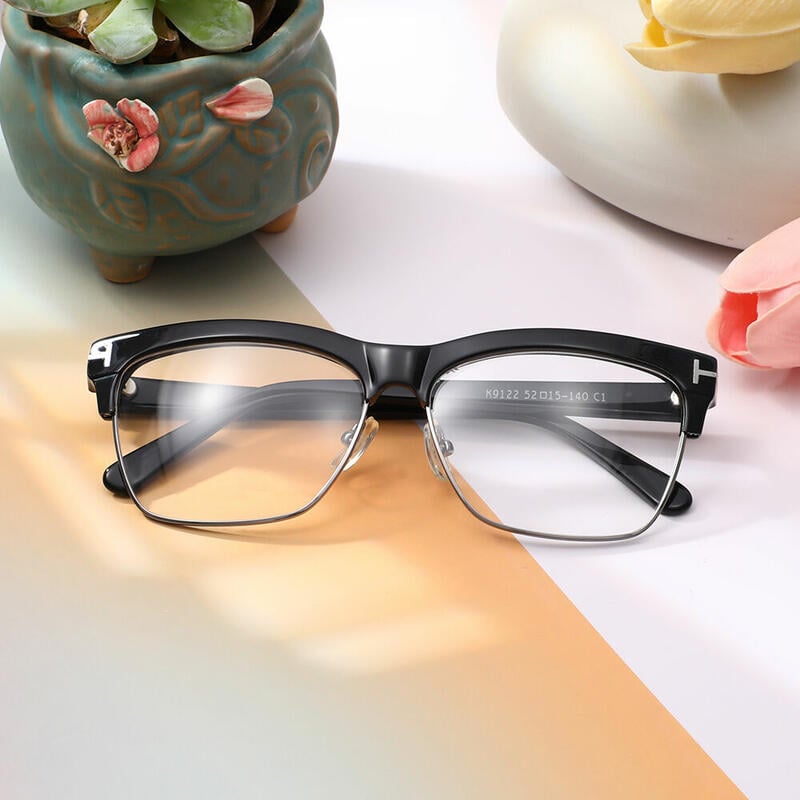
The "isn't this too formal / too vintage / too masculine?" worry. It's a fair concern, because the classic heavy-black-bar browline does read studious and a bit serious. But that's one version of the style, not the whole category. A gold or silver brow bar reads softer and more modern. A rounder shape (again, the Naomi) reads gentler and works beautifully on women who want the browline silhouette without the boardroom vibe. The look is far more flexible than its reputation.
Color of the bar matters as much as the shape. Since the top of the frame is the loudest part, its color sets the tone. Black makes the strongest statement and the heaviest line. Tortoise, gold, and silver all soften it. If the brow-bar test showed your frame competing with bold brows, switching from black to a lighter metal often solves it without changing the shape at all.

A 60-second mirror checklist
When you've narrowed it down, put each pair on and run through this in order. It takes about a minute and catches almost every problem before you buy.
1.Brow bar. Does it sit just below or along your eyebrows? (Not floating above, not slicing through.)
2.Width. Do the frame edges land near your temples, without pinching or overhanging?
3.Height. Does the frame sit level, with the bridge resting on your nose rather than sliding onto your cheeks?
4.Balance. Step back. Does your face look more balanced — weight evened out, eyes nicely framed — or does the top suddenly feel heavy?
5.The squint test. Soften your gaze for a second. If the first thing you notice is the glasses rather than your face, the bar may be too bold or the frame too wide. You want the frame to flatter the face, not upstage it.
The honest version
Face shape is a starting point, not a rulebook. I've fit browline frames that the charts said were "wrong" for someone and looked fantastic, because the bar landed perfectly on their brows and the width was spot-on. I've also seen "correct" pairs look off for exactly the opposite reasons. The shape tells you which direction to lean — heavier or lighter up top, wider or narrower — but the brow bar and the fit decide whether it actually works.
If you're browsing browline frames, start with the bar-and-brow check, get the width right, and let your face shape fine-tune from there. That order will steer you toward a pair that looks like it was made for you — which, after all, is the entire point.
Frequently asked questions
Which face shape suits browline glasses best?
Triangle (pear) and diamond faces tend to suit browline glasses most naturally, because the style adds weight and width to the upper face — exactly where those shapes are narrowest or lightest. Round faces also do well, since the strong horizontal bar adds the angularity round faces lack.
Do browline glasses look good on round faces?
Yes. The straight, defined brow bar introduces structure and angles that contrast nicely with soft, full features. Choose a frame with a crisp bar rather than a very rounded one, and a metal bar in silver or gold if you want the definition without too much heaviness.
Can I wear browline glasses if I have a square face or strong jaw?
You can — just soften the version you choose. A gently curved bar or a softly rounded lower edge balances a strong jaw, whereas a heavy, sharp rectangular bar can make an angular face read severe. Avoid frames that are too wide, which emphasize the jaw.
Are browline glasses only for men?
No. Browline is unisex, and softer, rounder versions in lighter colors read very well on women. The Naomi's rounded shape and beige finish, for example, gives the browline silhouette a gentler, more modern feel than the classic heavy-black look.
My glasses keep sliding down or sitting on my cheeks — what should I look for in a browline frame?
That's usually a bridge-fit issue, common for lower or flatter nose bridges. Look for a browline frame with adjustable nose pads, which let you set the height so the frame stays put and the brow bar sits where it should. The Harla and Roseme styles both offer adjustable nose pads.