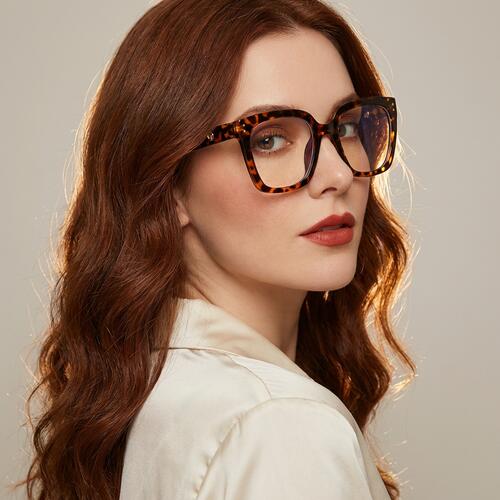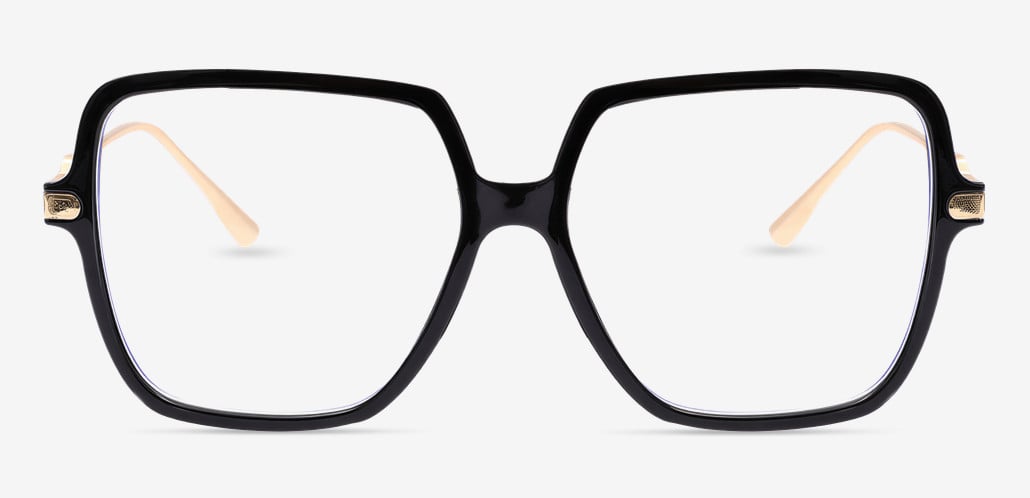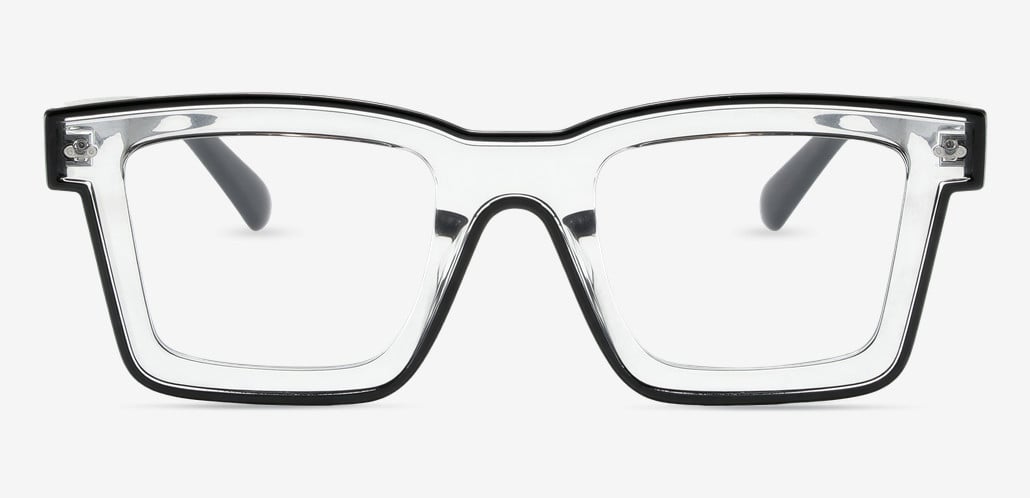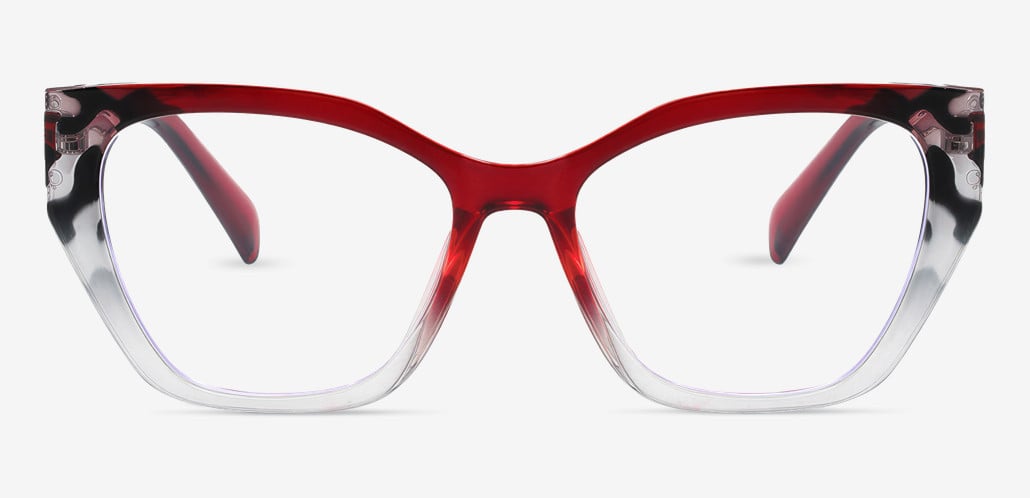

What "single vision" means, in one paragraph
A single vision lens has one corrective power across its entire surface. That power can fix nearsightedness, farsightedness, or astigmatism — or all three at once, since astigmatism correction is built into the same lens rather than added as a separate layer. What a single vision lens can't do is change power as your eyes move down the lens. Lenses that do that are progressives or bifocals, and they exist mainly for people whose eyes have stopped focusing up close on their own, which happens to nearly everyone sometime in their forties. If you're younger than that, or your prescription has nothing written in the ADD column, single vision is almost certainly what you need. That's the whole concept. Everything else in this guide is about doing it well.

Start with the paper: your prescription rights
Here's something a surprising number of Americans don't know: your eyeglass prescription belongs to you. Under the FTC's Eyeglass Rule, the doctor who examines your eyes must give you a copy of your prescription at the end of the exam — automatically, free, whether or not you ask, and whether or not you buy glasses from them. A 2024 update to the rule even requires many prescribers to get written confirmation that you received it. If an office tells you the prescription "stays in your file" unless you purchase there, that's not a policy. It's a violation.
Why this matters: the entire online eyewear market — and most of the savings in this guide — runs on that piece of paper. Get your copy, photograph it, and note the expiration date. Most states set eyeglass prescriptions to expire one to two years after the exam date, and any legitimate retailer, online or off, will ask for a current one.
One thing your prescription often won't include is your pupillary distance — the millimeter measurement between the centers of your pupils. Offices frequently leave it off, precisely because it's the one number you need to order elsewhere. You can ask them to add it (some charge a small fee, which is legal), or measure it yourself: a ruler and a mirror work, and most online retailers, Aoolia included, offer a photo-based measuring tool that's accurate enough for standard single vision lenses. For strong prescriptions, insist on a professionally measured PD. A couple of millimeters of error matters more when the lens power is high.
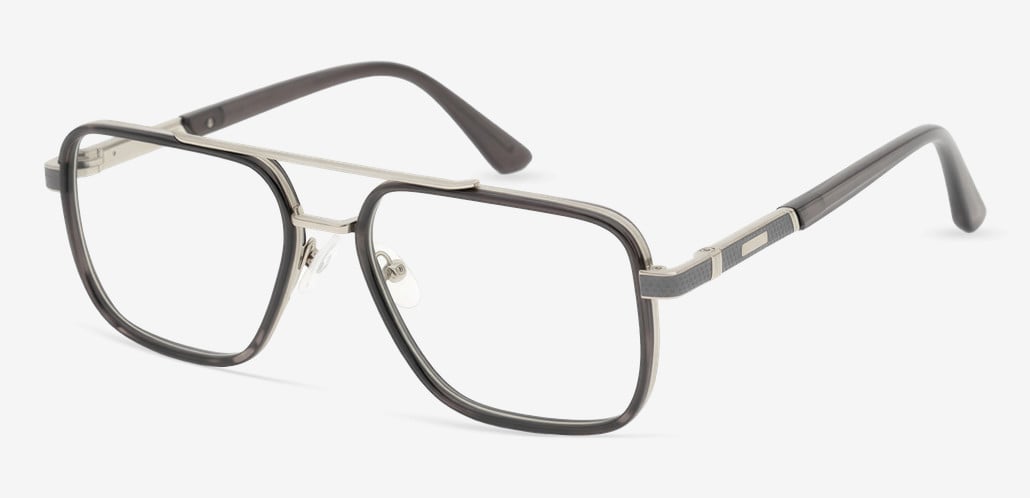
One lens type, three different jobs
The most common misconception about single vision glasses is that they're "distance glasses." They're not, or rather, not necessarily. Single vision means one power — but you choose what that power does.
Distance single vision is the default for nearsighted people: driving, watching TV, walking around, everything at arm's length and beyond.
Reading single vision is a full prescription lens focused at book distance, roughly 14 to 16 inches. If you've been buying drugstore readers, prescription reading glasses are the upgrade path — same idea, but matched to each eye individually and able to include your astigmatism correction, which no drugstore rack can do.
Computer-distance single vision is the one almost nobody is told about. Screens sit farther away than books but closer than the room — usually 20 to 26 inches — and neither your distance glasses nor your readers are focused there. A dedicated pair set to intermediate distance is a genuinely underrated fix for end-of-day eye strain in desk workers, and it's often cheaper than the "office progressive" lenses sold for the same problem. If you spend eight hours at a monitor and your current glasses make you crane your neck or lean in, this is worth a conversation with your eye doctor about what power to order.

The decisions that set your price
When you order single vision spectacles, two choices drive most of the cost: lens material and coatings.
Material is really a question about thickness. Standard plastic lenses are fine for mild prescriptions; as your numbers climb past roughly ±4.00, high-index materials keep the lens from getting thick and heavy at the edges. But here's the part pricing pages don't tell you: frame choice does some of the same work for free. Lens thickness grows toward the edge, so a smaller, rounder frame that keeps the lens close to your eyes will look thinner than a large frame in the same material. If you have a strong prescription and you're deciding between paying for 1.74 high-index in a big frame or 1.67 in a modest one, the modest frame often wins on both looks and cost.
Coatings deserve honesty rather than upselling. Anti-reflective coating is the one that's nearly always worth it — it cuts glare from headlights and screens and makes your eyes visible in photos and video calls instead of hidden behind reflections. Photochromic (light-adaptive) lenses are a real convenience if you're in and out of the sun all day, with one known limitation: most don't darken well inside a car, because windshields block the UV that triggers them. Blue-light filtering is the complicated one. It's enormously popular, and plenty of people report more comfortable evenings with it — but the American Academy of Ophthalmology doesn't recommend blue-light glasses, because the research hasn't shown that screen blue light damages eyes or that filtering it reduces strain. The strain is real; the cause is usually reduced blinking and long focus, which breaks and screen distance fix better than a coating does. If you want the filter anyway, it's inexpensive and harmless. Just don't let anyone sell it to you as eye protection.
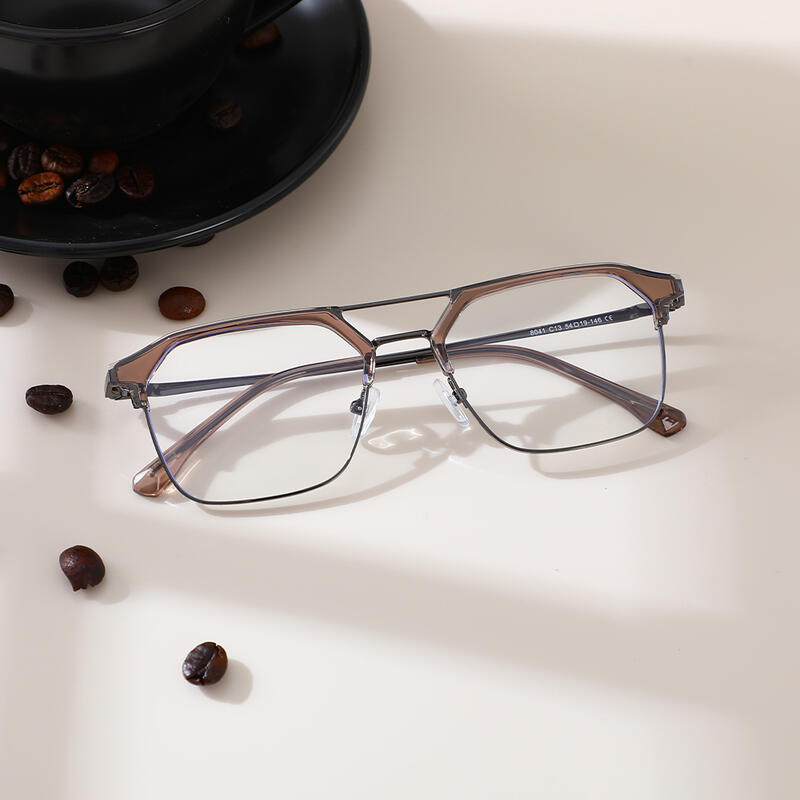
What single vision glasses should cost in 2026
At an optical chain attached to an exam, a complete pair — frame, single vision lenses, anti-reflective coating — routinely lands between $200 and $400 before insurance. Online, the same optical package commonly runs $30 to $100, with entry frames under $10 before lenses. The gap isn't lens quality; prescription lenses come from a fairly small set of global manufacturers regardless of where you buy. The gap is retail overhead and the frame markup that funds it.
Two practical notes. First, glasses are FSA and HSA eligible, including online purchases — if you have money expiring in one of those accounts in December, prescription eyewear is one of the easiest ways to use it. Second, if you have vision insurance but buy from an out-of-network online retailer, ask for an itemized invoice; many plans reimburse a portion of out-of-network purchases, and the online price minus partial reimbursement frequently beats the in-network price outright.

The first week: what's normal, what isn't
New single vision glasses — especially with a changed prescription — can feel strange for the first few days. Floors may seem to tilt slightly, edges may swim when you turn your head fast, and your eyes may tire sooner than usual. This is normal adaptation and typically resolves within two or three days of consistent wear. The worst thing you can do is switch back and forth with your old pair, which resets the process each time.
What's not normal: headaches that persist past a week, double vision, needing to tilt your head to see clearly, or one eye that never seems to join in. Those symptoms usually point to a measurement problem — most often an incorrect PD or a lens cut off-center — rather than something wrong with your eyes. Contact the retailer; a legitimate one will remake the lenses. This is also the strongest argument for buying from a seller that puts an optician between your order and the lens lab. At Aoolia, every prescription order is checked by a qualified optician before it ships, which catches exactly this class of error — a mistyped axis, an index that doesn't suit the power — while it's still cheap to fix.

When single vision stops being enough
Sometime in your mid-forties, reading menus in dim restaurants gets harder. That's presbyopia — the lens inside your eye stiffening with age — and it comes for the nearsighted and the eagle-eyed alike. On your prescription, it shows up as a number in the ADD column, and it marks the point where one power per lens stops covering your day.
You'll have three options: carry two single vision pairs (distance and reading), switch to bifocals, or move to progressive lenses that shift power smoothly down the lens. There's no universally right answer — plenty of people happily run two single vision pairs for years because each one is optically simpler and cheaper than a progressive. When you're weighing it, our guide to progressive glasses covers the tradeoffs in detail.
Until that column fills in, though, single vision spectacles remain the simplest, most affordable, most forgiving lens type there is: one power, one job, done well. Get your prescription copy, know your PD, spend on anti-reflective rather than marketing, and give a new pair three days before you judge it. That's genuinely most of what there is to know.