
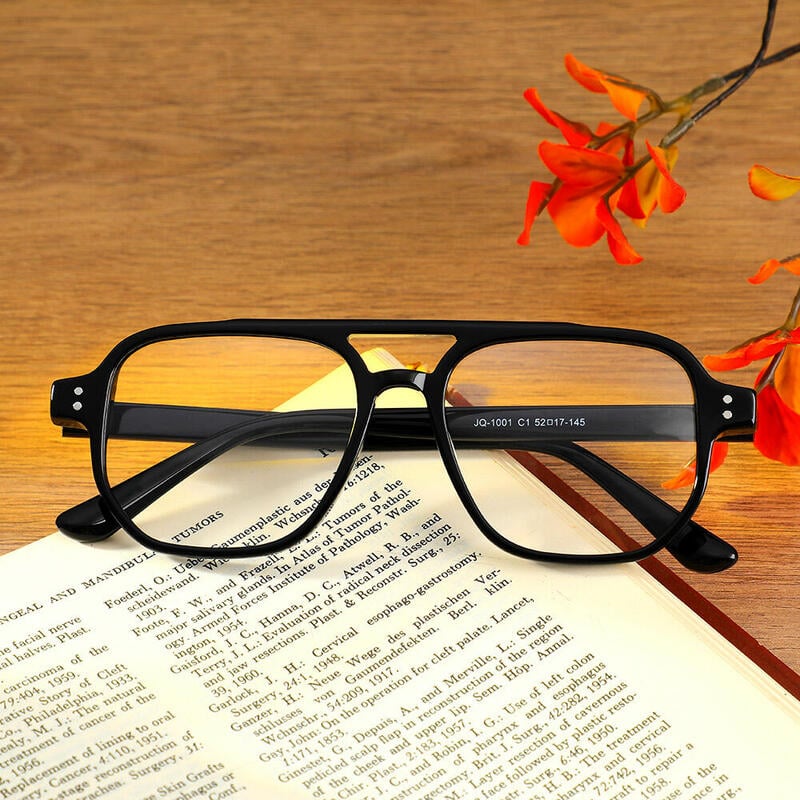
Step 1: Rule out the things reading glasses can't fix
Before you buy anything, one honest check. Gradual difficulty with small print in your forties is almost always presbyopia — the lens inside your eye stiffening with age. That's normal, and readers solve it.
But a few symptoms deserve an eye exam first, not a shopping trip: blurry vision that arrived suddenly rather than gradually, one eye noticeably worse than the other, halos around lights, or trouble seeing at distance too. The American Academy of Ophthalmology recommends a baseline comprehensive exam at 40 even for people with no symptoms, partly because this is the age when glaucoma, early cataracts, and diabetic eye changes start appearing — conditions that reading glasses will quietly mask if you skip the exam and self-diagnose.
If it's been more than two years since someone looked at your eyes professionally, book the exam. Then come back to this guide. Everything below works better with real numbers from a real exam anyway.
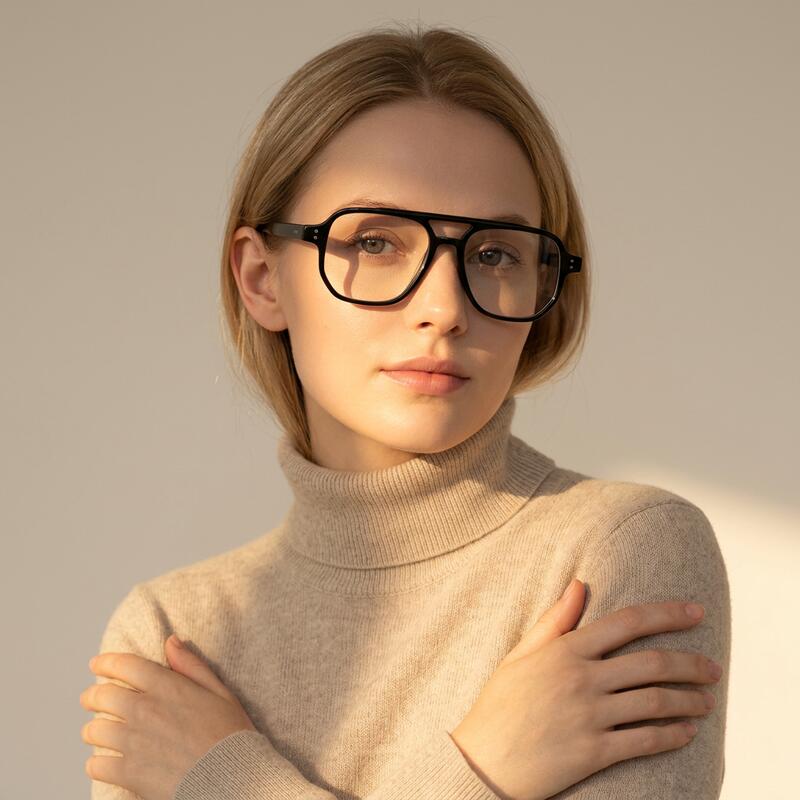
Step 2: Get your two numbers — power and PD
A proper exam gives you two things a pharmacy rack can't.
A power for each eye. Roughly one in three adults needs a different reading strength in the left and right eye. Ready-made readers ignore this entirely — both lenses are identical. If your eyes match, that's fine. If they don't, identical lenses mean one eye does more work than the other, which is where the mysterious end-of-day headache comes from. Your exam report will show this as separate values (often labeled OD for right eye, OS for left).
Your pupillary distance. PD is the millimeter distance between the centers of your pupils, and it determines where the optical center of each lens should sit. Women's PDs average slightly narrower than men's — commonly somewhere in the high 50s to low 60s in millimeters, versus low-to-mid 60s for men — yet mass-produced readers are built to one fixed, roughly average center. A few millimeters off won't blind you, but at higher reading powers it introduces prismatic effect: a subtle pulling sensation that your eye muscles compensate for, hour after hour.
If your optometrist's office "forgets" to include PD on your prescription (common, and legal in most states), ask for it directly, or measure it at home with a ruler and a mirror — most online retailers, Aoolia included, have a guided tool for this.
Step 3: Choose your strength — without overbuying
Reading powers run from +0.75 to +3.50 or so, in quarter-diopter steps. As a starting point, most women who first notice trouble in their early forties land between +1.00 and +1.25. Through the fifties, needs typically drift up through +1.75 to +2.25, and past sixty, +2.25 to +2.75 is common. These are population patterns, not your prescription — but they'll tell you if a number sounds wildly off.
Two practical rules save most of the regret:
When between strengths, go lower. Overpowered readers magnify beautifully at eight inches and blur everything past your elbows. Underpowered ones just make you hold the page slightly closer. Lower is the safer miss.
Match the power to the distance, not the age chart. Reading strength is calibrated for close work at roughly 14–16 inches. A laptop screen sits farther away — 20 to 26 inches — and needs meaningfully less power, often a half to three-quarters of a diopter less. This is why many women end up happiest with two pairs: a stronger one for books and needlework, a weaker one that lives next to the keyboard. At custom-order prices starting under $20, two purpose-built pairs cost less than one drugstore impulse buy did a decade ago.
For a deeper walk through strength selection, including what to do if your arms-length test contradicts your exam, see our guide to choosing the best reading glasses.

Step 4: Decide what kind of lens you're actually buying
"Reading glasses" in 2026 covers four different products. Knowing which one you need prevents both overspending and disappointment.
Single-power readers are the default: one strength, for close work. If you have good distance vision and just need help up close, stop here. This is most first-time buyers.
Blue-light-filtering readers add a coating or tint that cuts a portion of short-wavelength light from screens. Here's the honest version: the research on blue light and eye strain is genuinely mixed, and the American Academy of Ophthalmology does not attribute digital eye strain to blue light — it attributes it mostly to reduced blinking and uncorrected focusing effort. What relieves screen fatigue most reliably is the correct reading power at the correct screen distance, plus regular breaks. That said, the filter is a low-cost add-on, some people subjectively prefer the softer rendering, and there's separate (also still-evolving) research on evening blue light and sleep. Reasonable to add; unreasonable to expect miracles from.
Progressives put reading, mid-range, and distance correction into one lens with no visible line. If you find yourself perching readers on your forehead forty times a day, or you need distance correction too, progressives end the on-off ritual. They cost more and take a one-to-two-week adaptation period — the lower lens region is for reading, so you learn to drop your eyes, not your head.
Sun readers are single-power readers with tinted, UV-protective lenses — worth it if your reading happens on a porch, a beach, or a bleacher.
One tax-season note for American buyers: reading glasses, including non-prescription ones, are FSA and HSA eligible. If you have unspent funds approaching a deadline, this is one of the easier legitimate ways to use them.
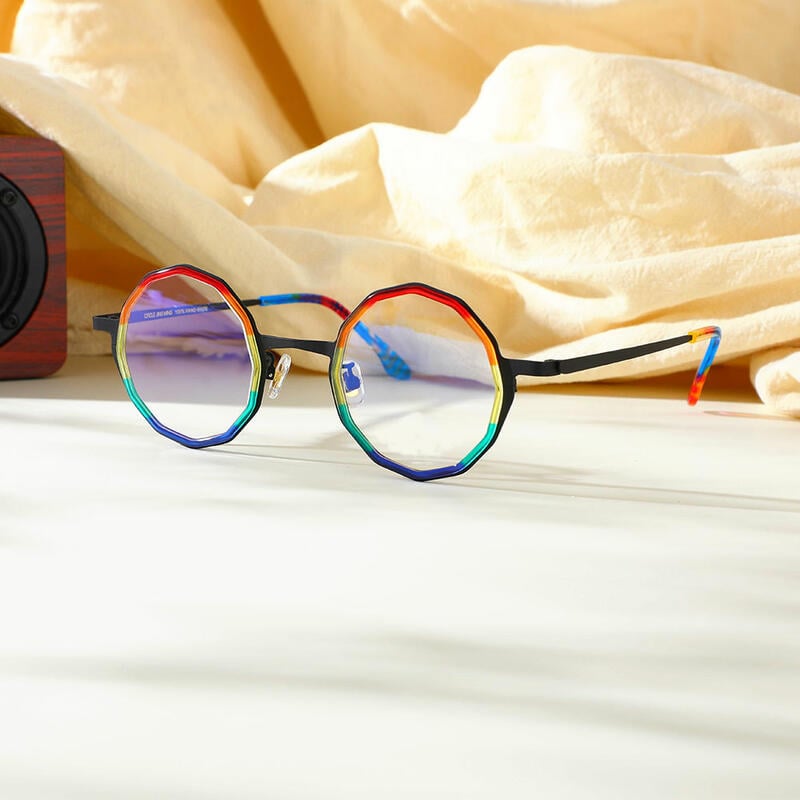
Step 5: Get the fit right — this is where women's frames genuinely differ
Most "unisex" readers are built on frames sized for an average male face: wider lenses, longer temples, a higher nose bridge. If every pair of glasses you've owned slides, pinches behind the ears, or sits on your cheeks when you smile, the frames were probably never dimensioned for you.
Three numbers are printed inside almost every temple arm, in the form 52-18-140: lens width, bridge width, and temple length, all in millimeters. Once you find a comfortable pair, those numbers are your fit fingerprint — reuse them when shopping online. Women with smaller faces generally do well with lens widths in the 47–52 mm range; petite faces may want extra-small frames below that, a size bracket drugstore racks rarely stock at all.
Beyond the numbers, three features matter disproportionately for long-wear comfort. Adjustable nose pads let the frame sit up off higher cheekbones and accommodate lower nose bridges, both common fit complaints that fixed acetate bridges can't solve. Spring hinges forgive being pushed up into your hair — which, be honest, is where your readers spend half their life. And weight compounds: a titanium or TR90 frame at under 20 grams disappears in a way a chunky acetate frame doesn't by hour six.
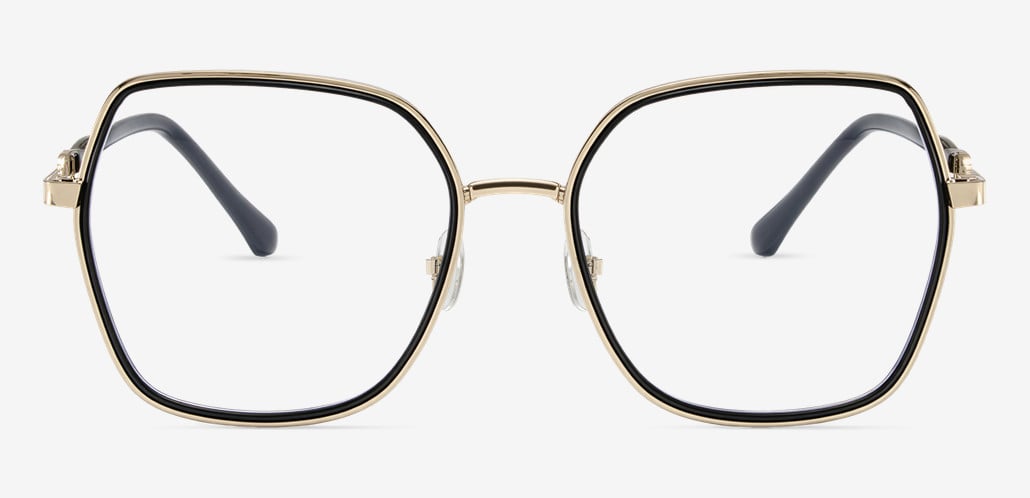
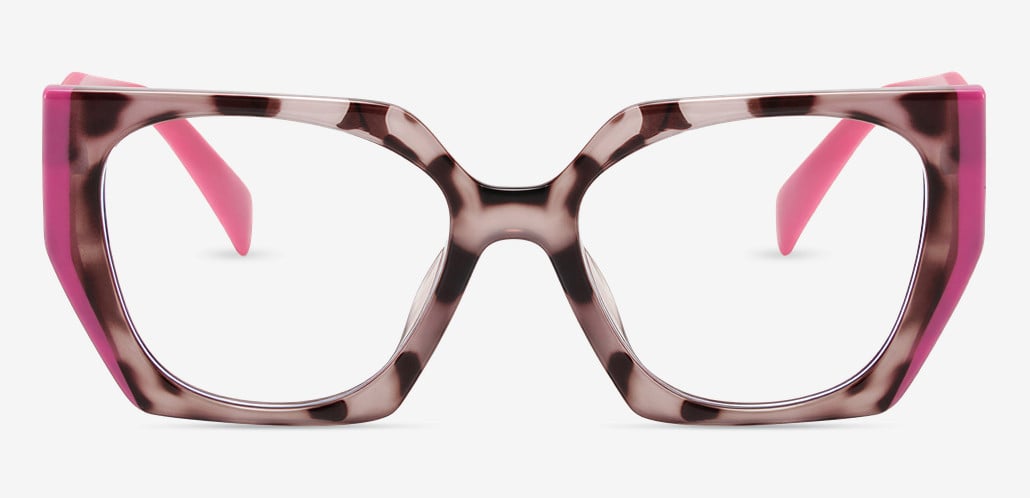
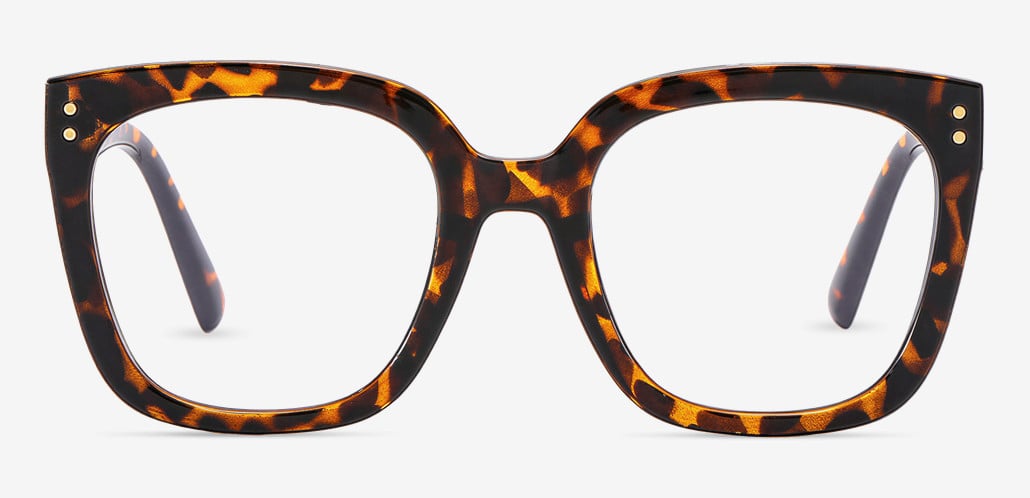
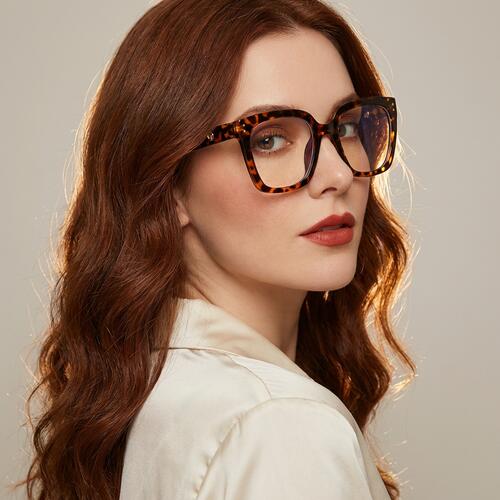
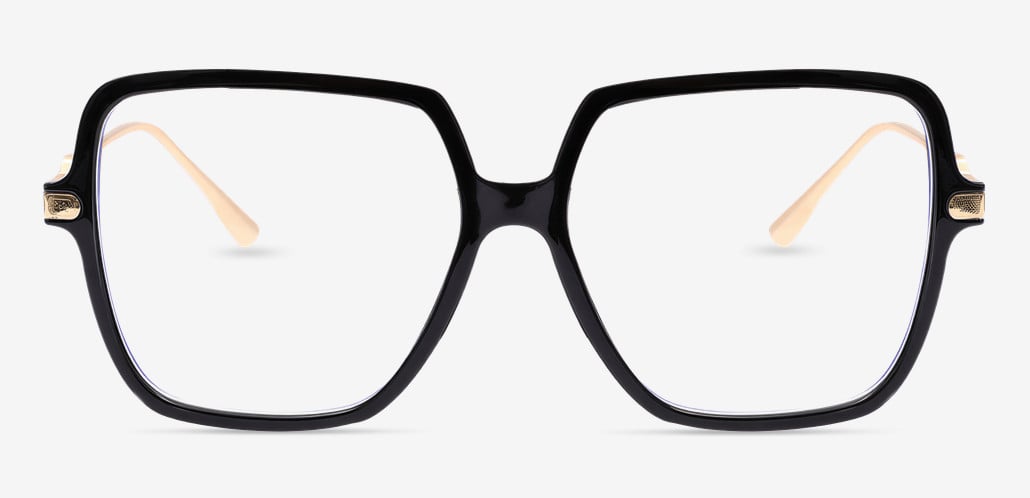
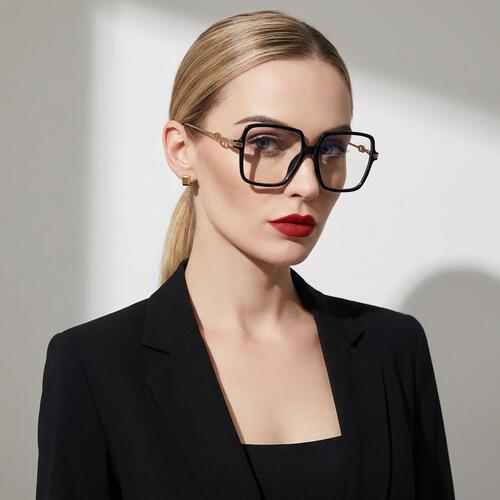
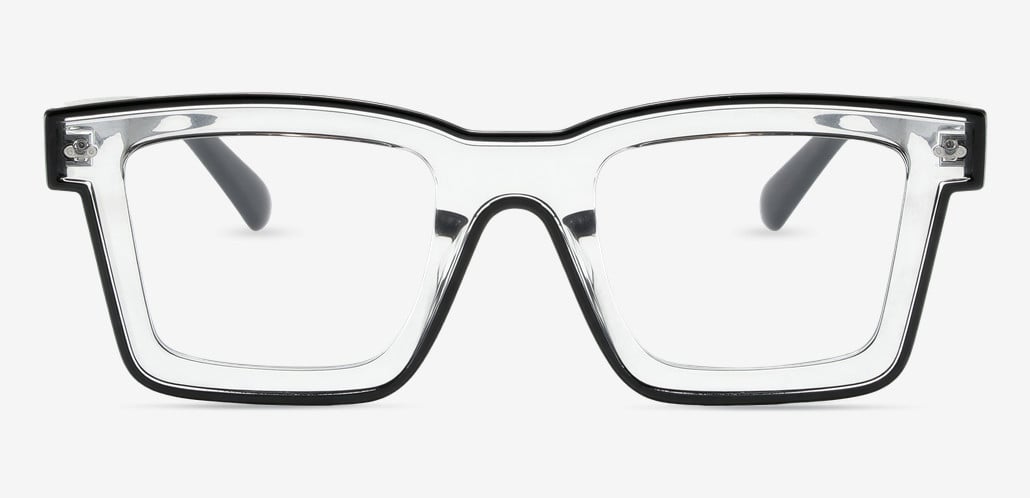
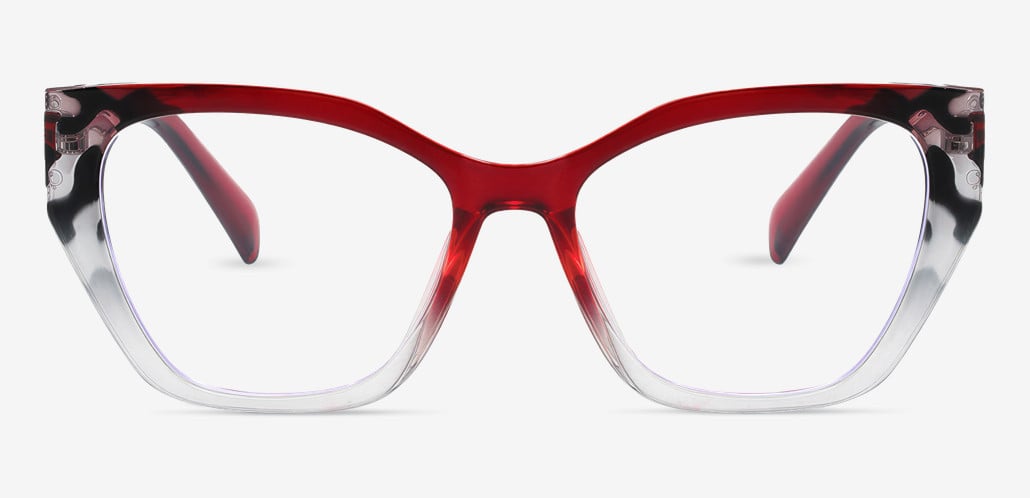
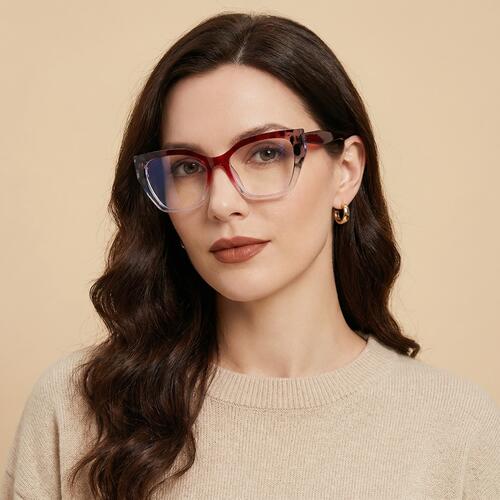
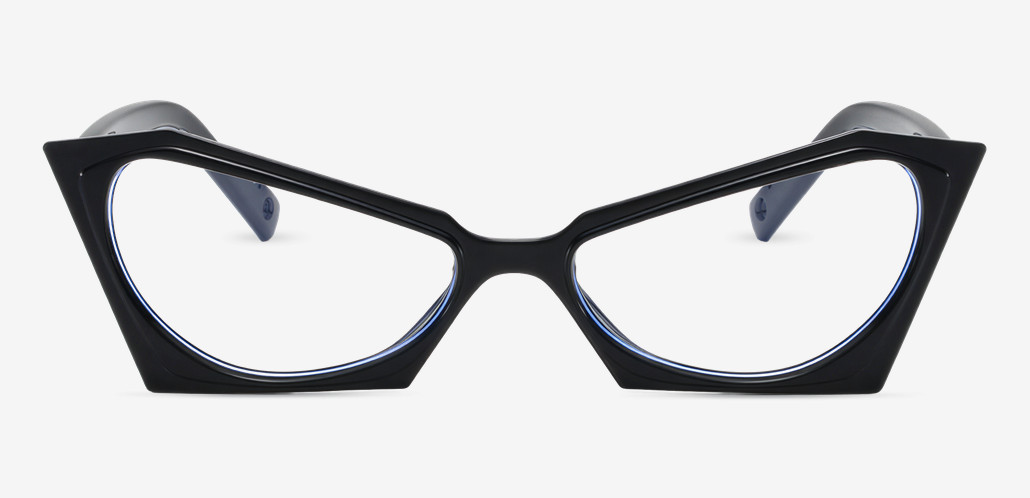
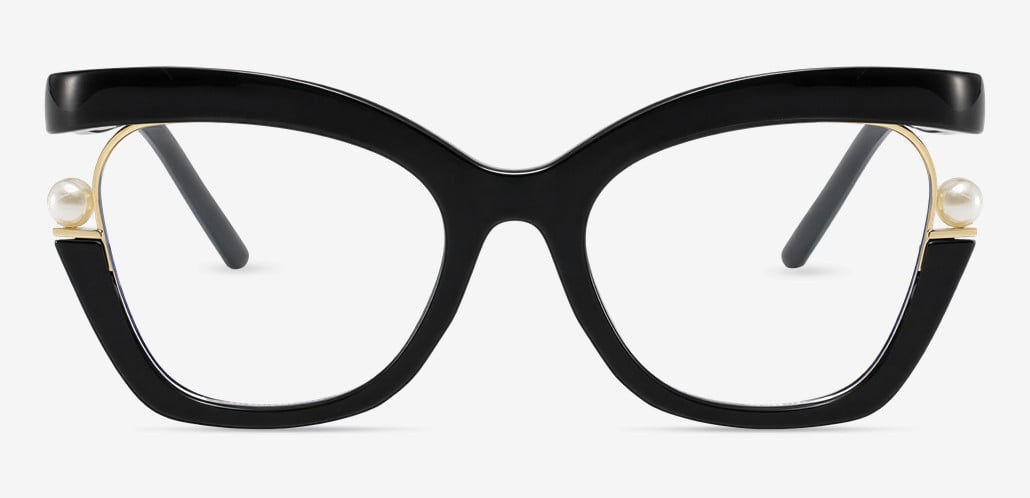
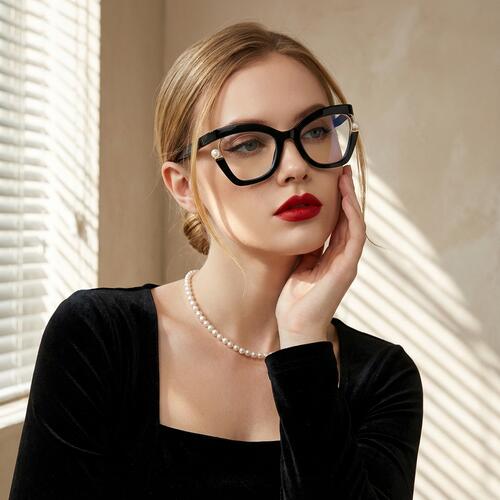
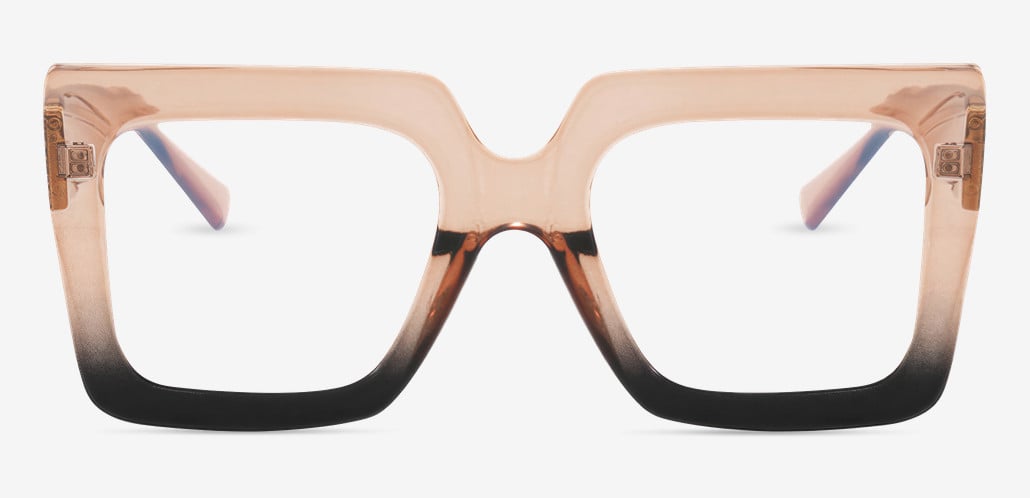
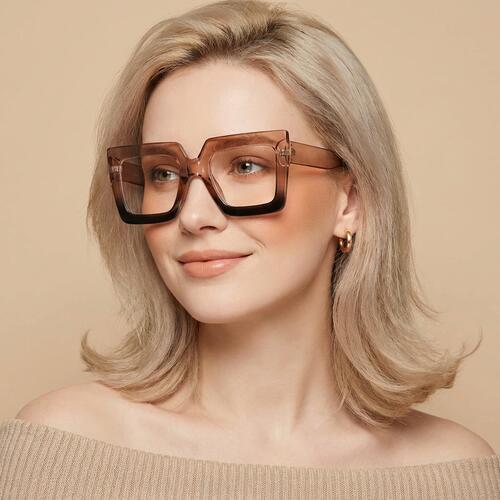
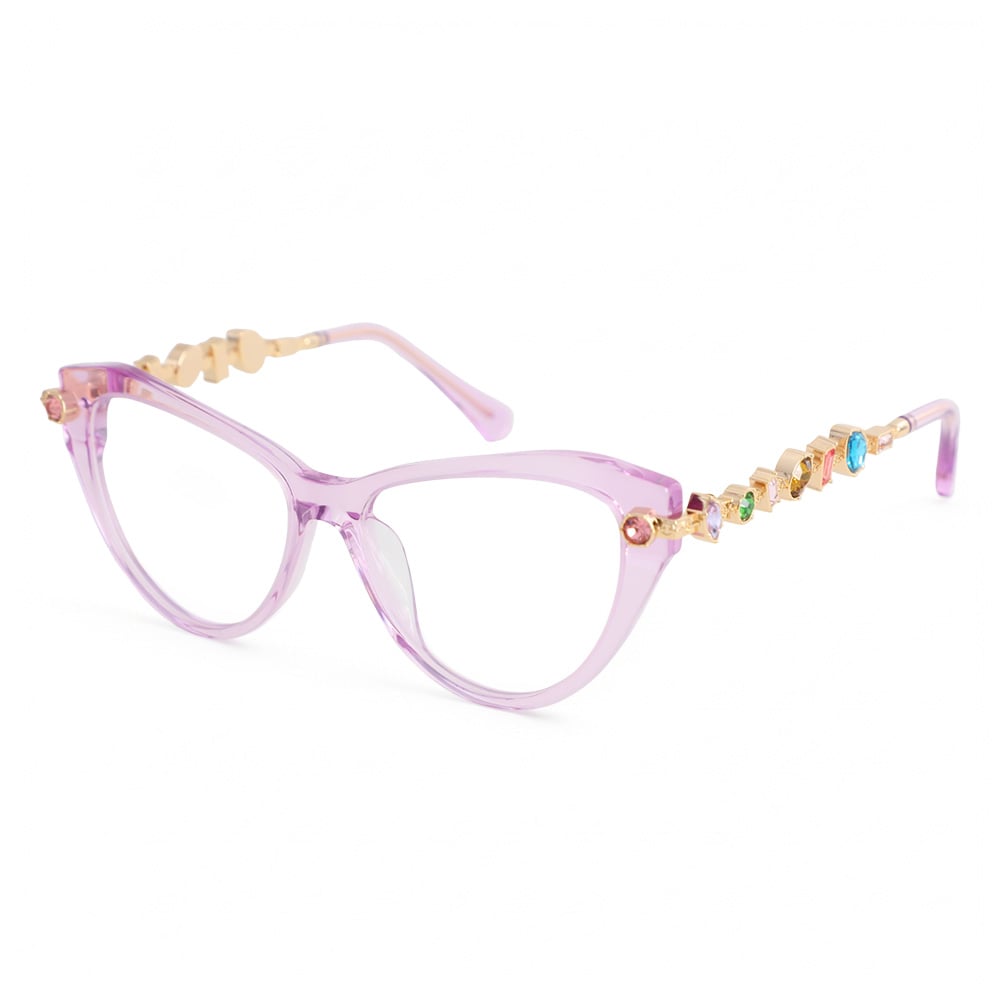
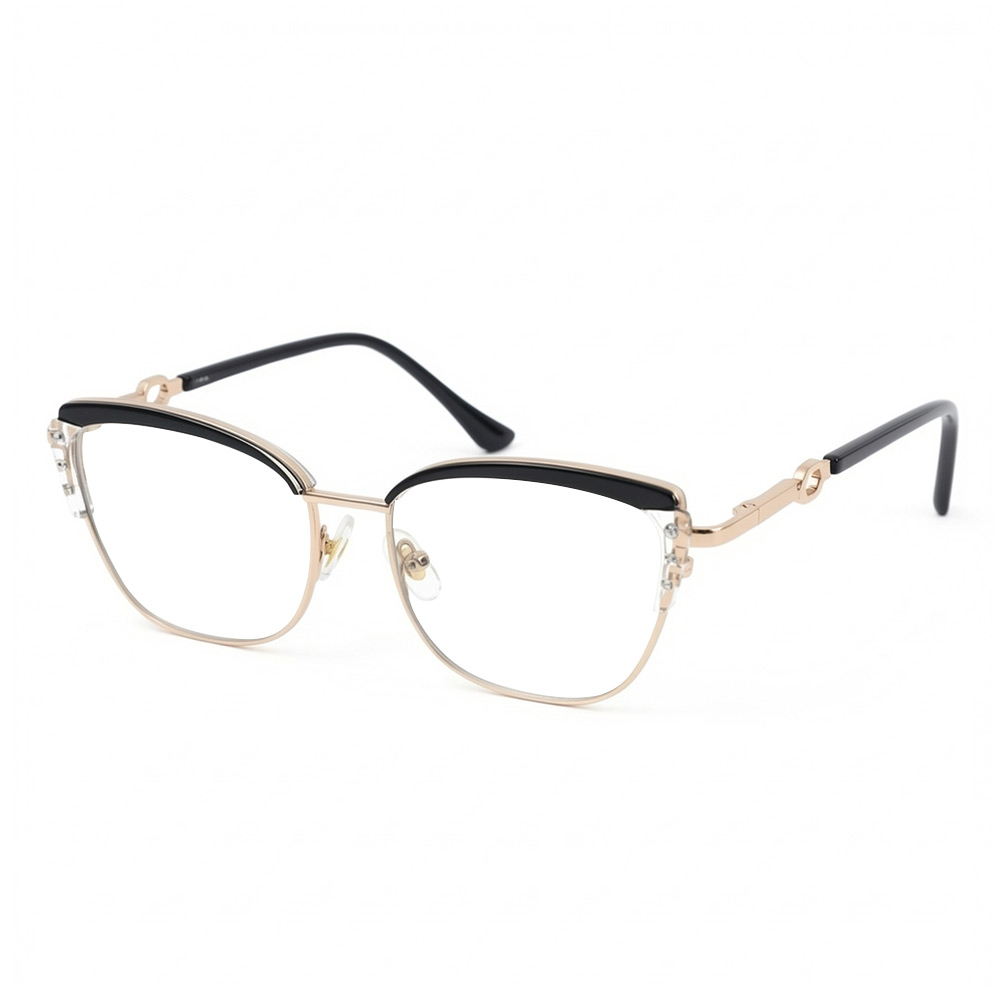
On style: readers stopped apologizing for themselves years ago, and 2026 leans further into frames that look chosen rather than issued. Cat-eye remains the defining women's silhouette — from barely-there upsweeps to full vintage flare — with tortoise, champagne, and clear acetate leading finishes. If you're unsure what suits your face, work from contrast: angular frames balance rounder faces, curved frames soften angular ones.

Step 6: Decide where your money should go
Here is the pricing landscape, stated plainly by a company that occupies one part of it.
Ready-made readers ($5–$30, pharmacy or supermarket) are a perfectly good product for a specific person: both eyes the same power, roughly average PD, average-to-larger face, and a use pattern of occasional grabbing rather than all-day wear. If that's you, there is no shame and no harm in the rack — the old claim that cheap readers damage your eyes is false. What you're accepting is zero customization and, typically, softer lens and hinge quality.
Custom-made readers online ($7–$70 at direct-to-consumer prices) are built to your numbers: a different power per eye if needed, lenses centered to your PD, your frame size, your lens add-ons. This is the category Aoolia is in, and the honest pitch is narrow: if your eyes differ, your PD isn't average, or your face is smaller than the rack assumes, customization fixes problems ready-mades structurally can't. At Aoolia specifically, an optician checks each finished pair against the order before it ships — the women's reading glasses collection starts at $6.95, which removes the old price argument for settling.
Optical-store readers ($100–$400+) add in-person fitting service and immediate adjustments. Worth it if you value hands-on service or have an unusual fit situation; the lenses themselves are not categorically better than reputable online labs'.
Whichever route you take, check two things before paying: a clear return or remake policy (mistakes in self-measured PD happen), and whether the seller verifies orders rather than just cutting lenses to whatever was typed in.
The short version
Rule out medical causes with an exam if anything is sudden, uneven, or overdue. Leave the exam with a power for each eye and your PD. Start lower when torn between strengths, and consider a separate, weaker pair for screens. Treat blue light filtering as a maybe-nice extra, not a cure. Fit by the millimeter numbers, not by "one size fits most." And spend on customization only if your eyes or face actually depart from average — but if they do, don't spend years compensating for lenses that were never built for you.