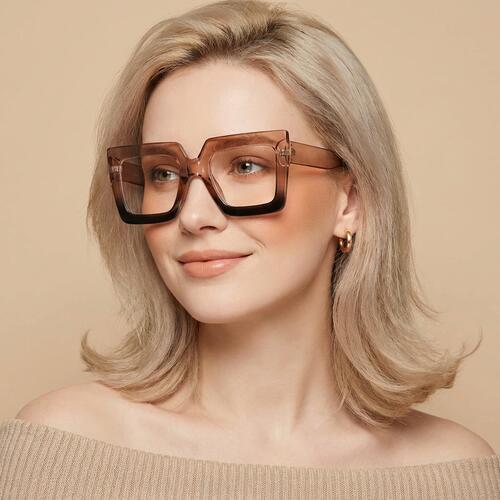

Somewhere in your early-to-mid forties, a routine eye exam may end with a new recommendation: progressive glasses. As your optometrist reviews your prescription, you might notice a small "+1.25" or "+1.50" listed in the ADD section. This additional power is a sign of presbyopia—the natural age-related change that makes it harder to focus on nearby objects. Because your eyes now require different levels of correction for near, intermediate, and distance vision, progressive glasses provide a seamless all-in-one solution, allowing you to see clearly at every distance without the visible lines of traditional bifocals.
If you've just been handed that prescription and you're not sure what you've signed up for, this guide walks through the whole thing: what progressive lenses actually are, why they exist, what the first two weeks feel like, what they cost and why, and — just as important — the situations where you don't actually need them.
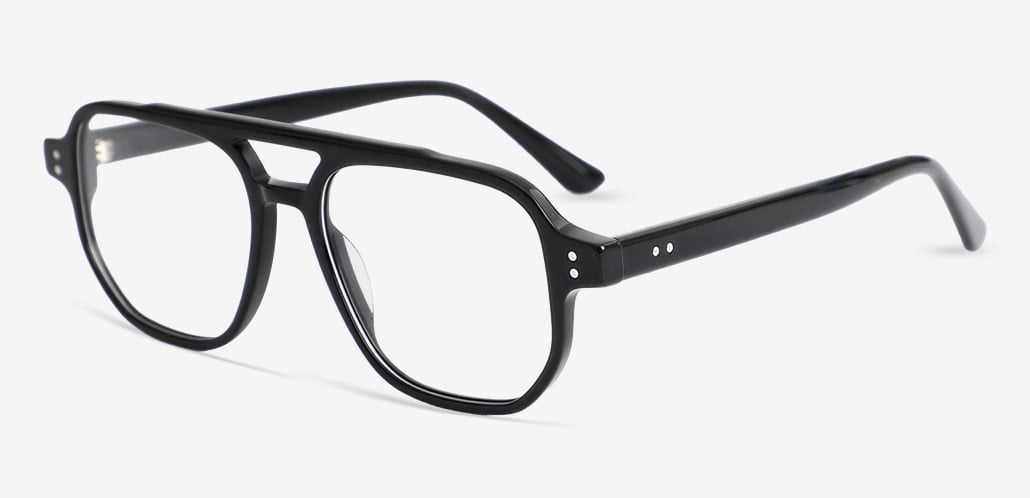
The problem progressives solve: presbyopia
Around age 40 to 45, nearly everyone develops presbyopia — the gradual stiffening of the eye's internal lens that makes close-up focus harder. It's not a disease and it has nothing to do with how much you read or how many screens you stare at. It's simple mechanics: the lens inside your eye loses flexibility with age, the way every human lens does.
The symptoms are familiar to anyone who's watched a parent hold a menu at arm's length. Text at normal reading distance goes soft. You find yourself pushing your phone farther away, or bumping the font size up one more notch. Bright light helps; dim restaurants don't.
If you already wore glasses for distance, presbyopia creates a genuinely annoying situation: your old glasses fix the far world but blur the near one, and taking them off fixes the near world but blurs everything else. One pair of eyes, two competing needs. That's the gap progressive lenses fill.
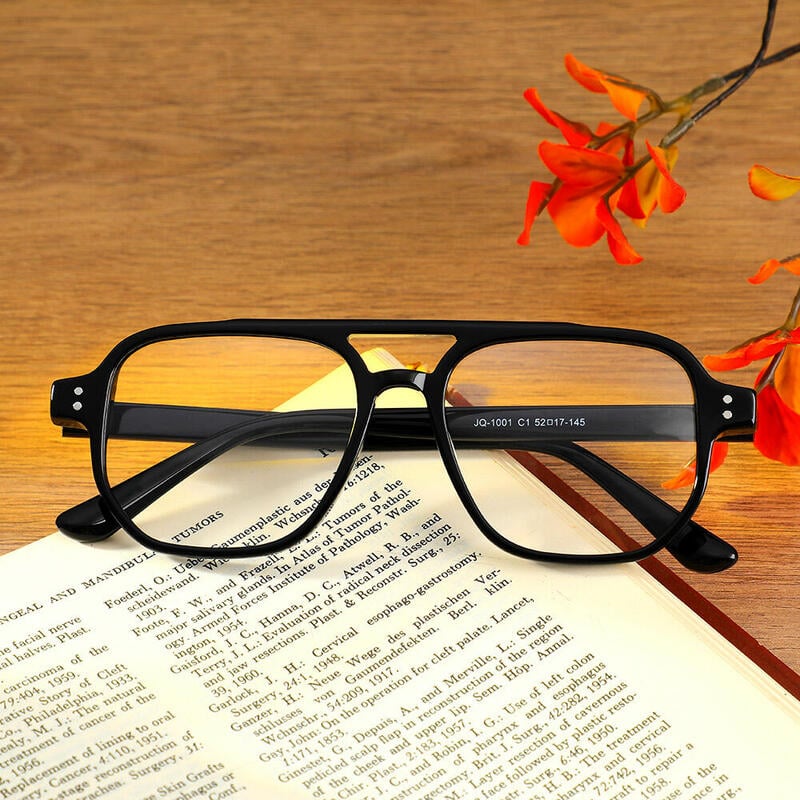
What a progressive lens actually is
A progressive lens packs three prescriptions into one piece of plastic, arranged vertically:
The top portion is your distance prescription — driving, TV, recognizing people across a room. The middle band handles intermediate distance, which in modern life mostly means computer screens and car dashboards. The bottom portion carries your reading power, the ADD value from your prescription.
Between these zones there's no line, no ledge, no visible boundary. The power shifts gradually along a vertical channel opticians call the corridor. Your eyes travel down the corridor as your gaze drops from the road to the dashboard to the phone in the cupholder (at a red light, ideally).
This is the entire trick, and it's also the source of every quirk progressives have. Blending three prescriptions into one curved surface is an optical compromise — a genuinely clever one, but a compromise. The clear corridor runs down the center of the lens, and the areas to either side of the lower half contain unavoidable soft focus. Lens designers have spent forty years shrinking those blurry margins, and premium "free-form" designs shrink them further, but no progressive lens eliminates them. Anyone who tells you otherwise is selling something.
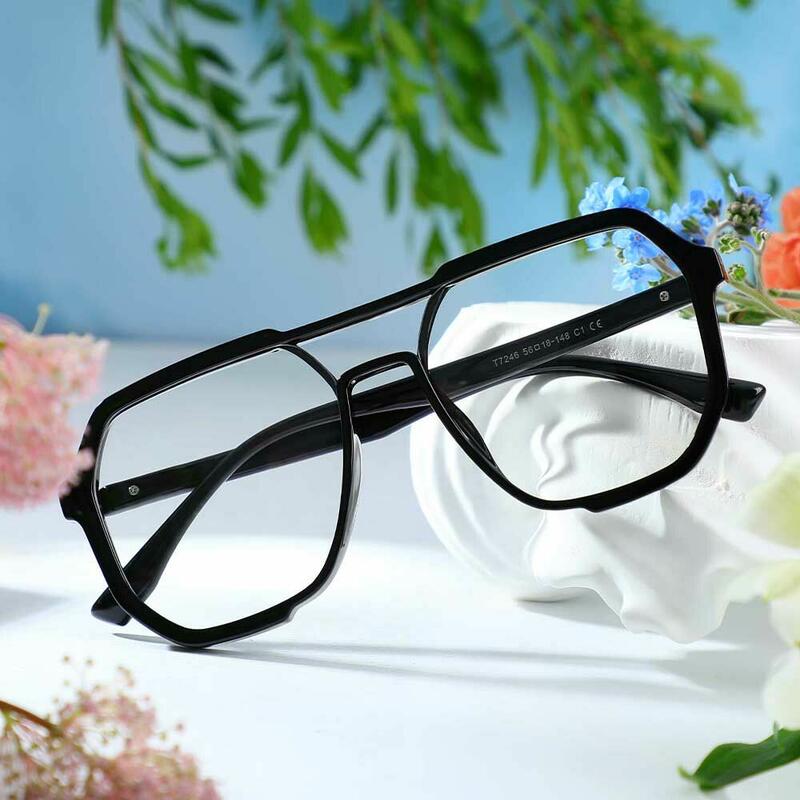
Decoding the names: progressive, no-line bifocal, multifocal, PAL
The eyewear industry has managed to give the same product at least four names, which does beginners no favors. For the record:
Progressive lenses, no-line bifocals, multifocal lenses, and PALs (progressive addition lenses) all describe the same thing. "No-line bifocal" is the everyday American term; "multifocal" is what your eye doctor's chart probably says; "PAL" shows up in industry writing.
Two names that do not belong in this group: bifocals — the old-style lens with a visible dividing line and only two zones, no intermediate — and Transitions, which is a brand of light-sensitive lens that darkens in sunlight and has nothing to do with focal zones. People mix that last one up constantly, including at optical counters. A lens can be progressive, photochromic, both, or neither.

The adjustment period, honestly
Here is the part most product pages skip, and it's the part that decides whether people love or abandon their progressives.
Your first hours in progressive lenses will feel strange. The floor may seem to tilt slightly when you walk. Objects at the edge of your vision swim a little when you turn your head quickly. Stairs deserve genuine caution the first few days, because looking down through the bottom of the lens gives you reading power, not distance power — the step is blurrier than it should be until you learn to tuck your chin and look through the upper zone instead.
None of this means your glasses are wrong. It means your brain is calibrating a new map of which part of the lens matches which distance. For most people that calibration takes somewhere between three days and two weeks of consistent wear. Two habits speed it up dramatically:
Point your nose at what you want to see. Progressives reward head-turning over eye-darting. Glancing sideways through the lower lens puts you in the soft margins; turning your head keeps you in the corridor.
Wear them full-time. Switching back to your old single-vision glasses "just for driving" resets the calibration and stretches the adjustment out for weeks. Commit for ten days before you judge.
If things still feel wrong after two full weeks — persistent dizziness, needing to lift your chin uncomfortably high to read, sharp focus that never arrives — stop toughing it out. At that point the issue usually isn't your brain; it's a measurement. A pupillary distance that's off by a couple of millimeters, or a lens set too low in the frame, will sabotage even a perfect prescription, and both are fixable. Any legitimate seller, online or in person, should remake lenses that were fitted wrong.

Why the price ranges from $30 to $800
Few products have a wider honest price spread than progressive glasses, and beginners understandably wonder what the extra hundreds buy. The answer breaks into three parts.
The lens design. Basic progressives use a standard corridor molded the same way for everyone. Free-form (digitally surfaced) progressives are cut point-by-point for your exact prescription, which widens the clear zones and softens the swim effect. This is the upgrade most worth paying for if your budget allows it — though plenty of people adapt happily to standard designs, especially at lower ADD powers.
The retail channel. The same free-form lens that costs $300–$500 at a chain optical store can cost a fraction of that from an online lab, because you're not paying for mall rent and commissioned sales staff. This isn't a quality difference; it's a distribution difference. What you give up online is in-person fitting — which brings us to measurements in a moment.
The add-ons. Anti-reflective coating (worth it, almost always), photochromic tint, blue-light filtering, high-index materials for strong prescriptions. Each is a separate decision, not a bundle you have to accept.
One more practical note for U.S. buyers: prescription progressive glasses are FSA/HSA-eligible, and if your vision insurance won't cover an online purchase directly, many plans reimburse part of it out-of-network with an itemized receipt.
The frame matters more than beginners expect
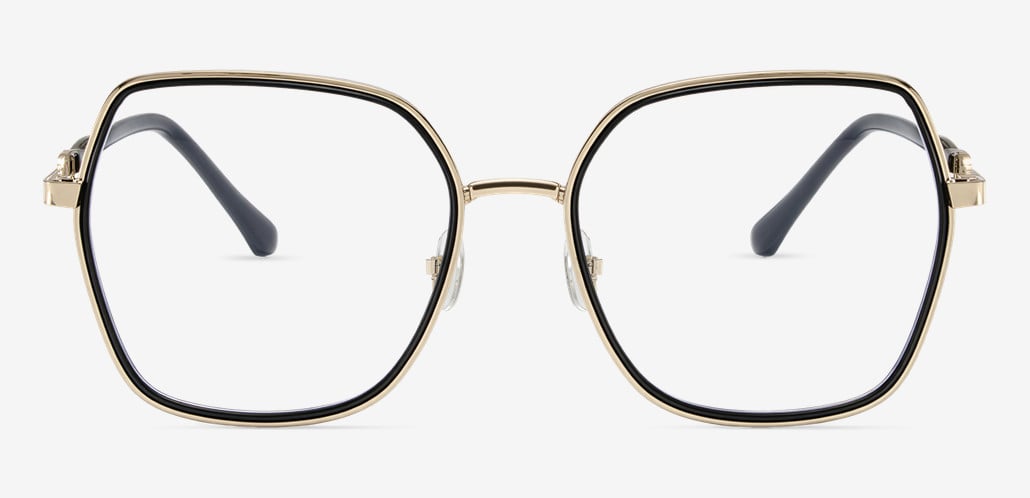
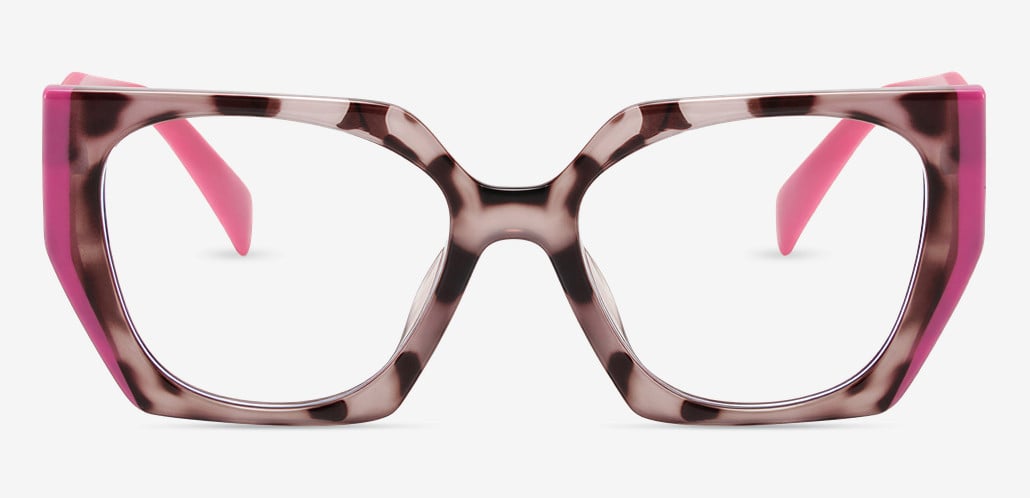
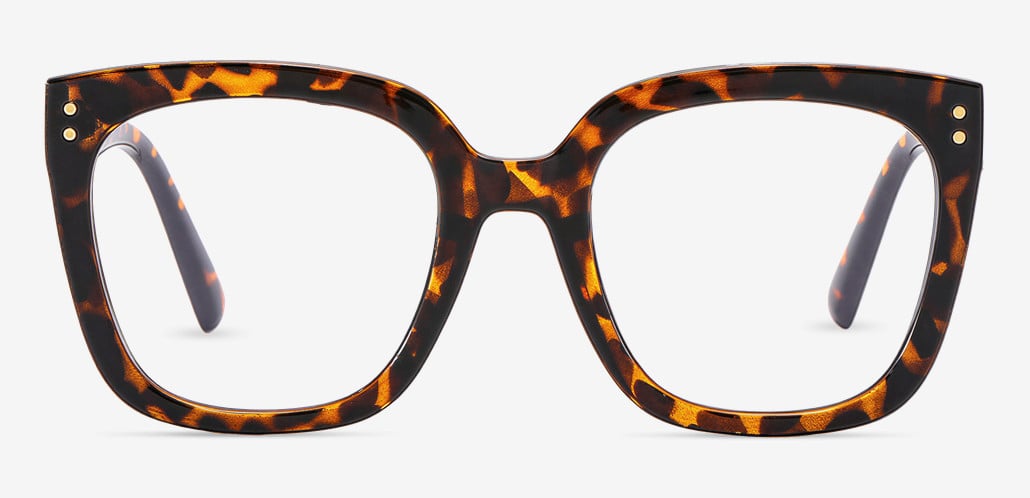
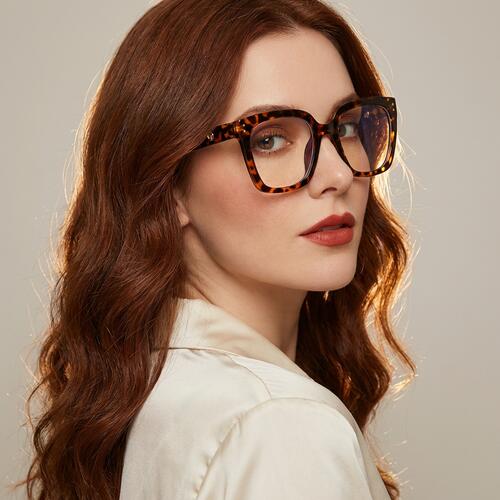
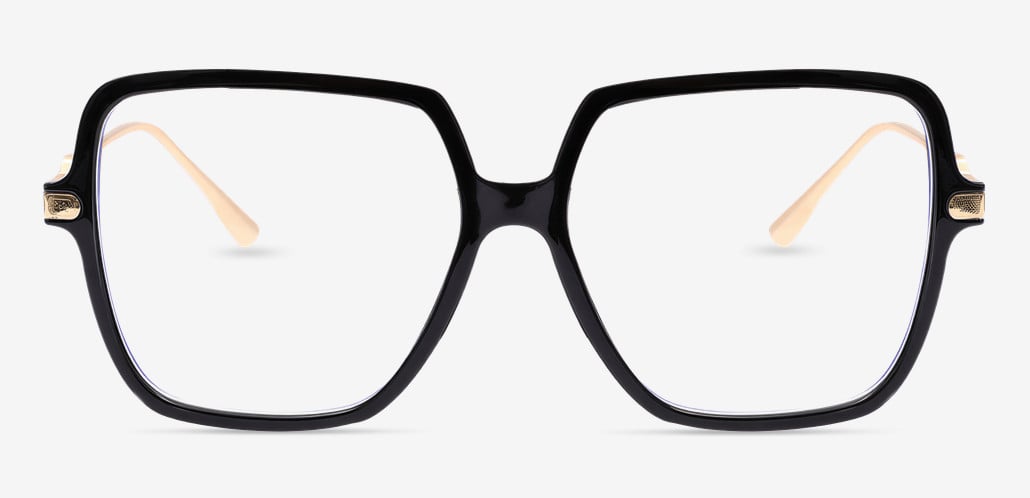
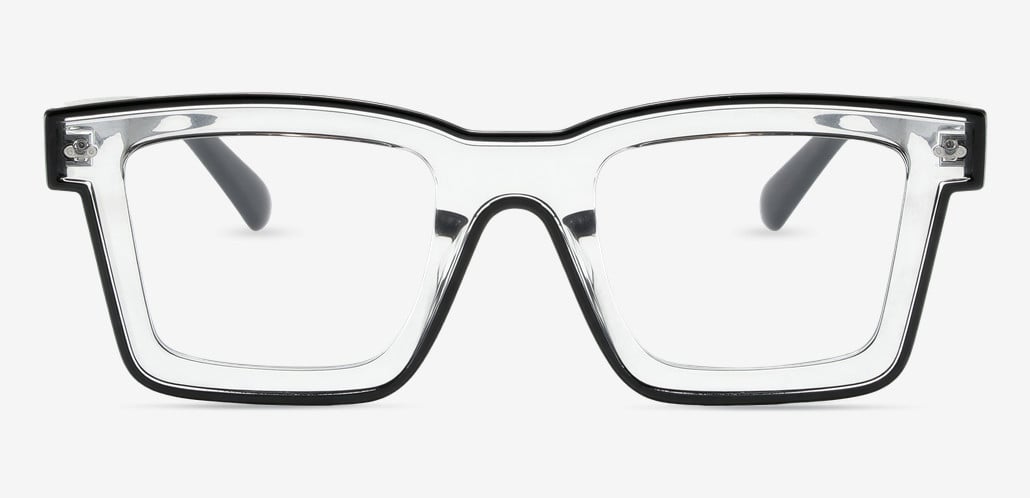
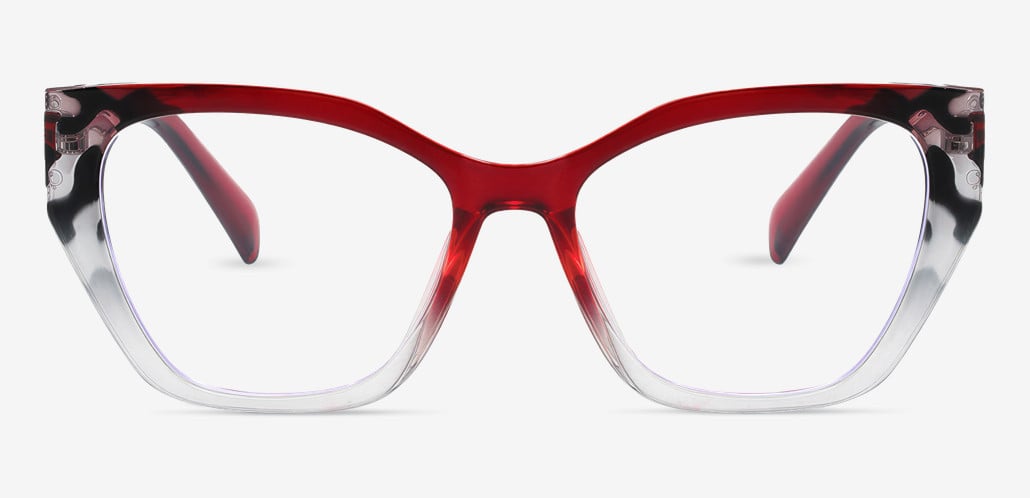
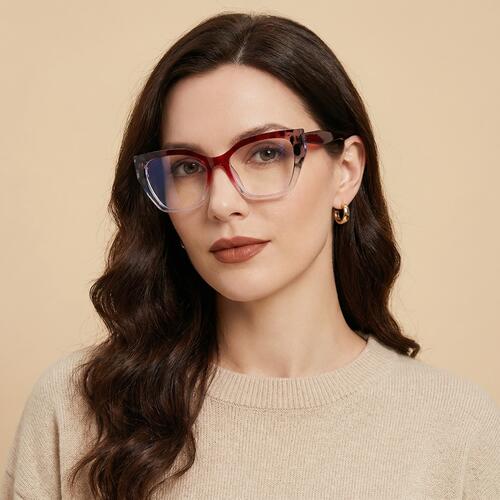
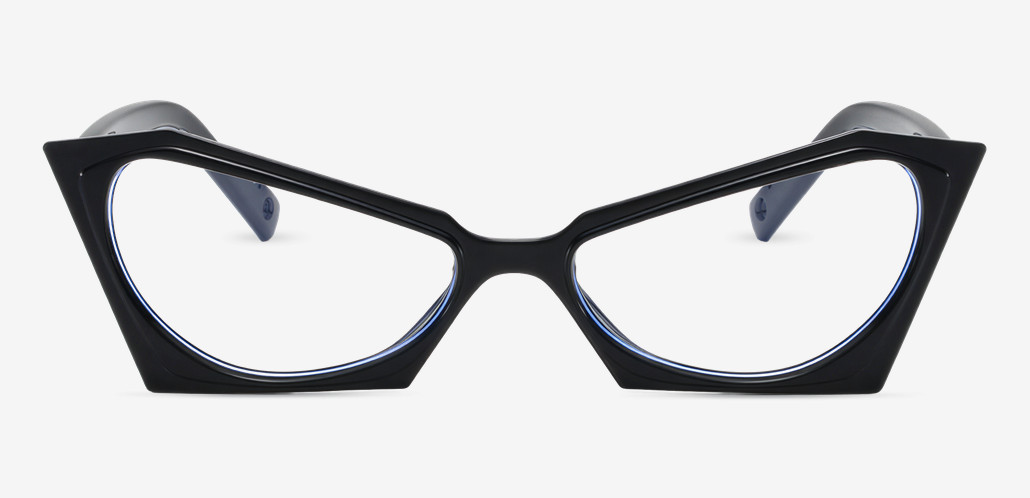
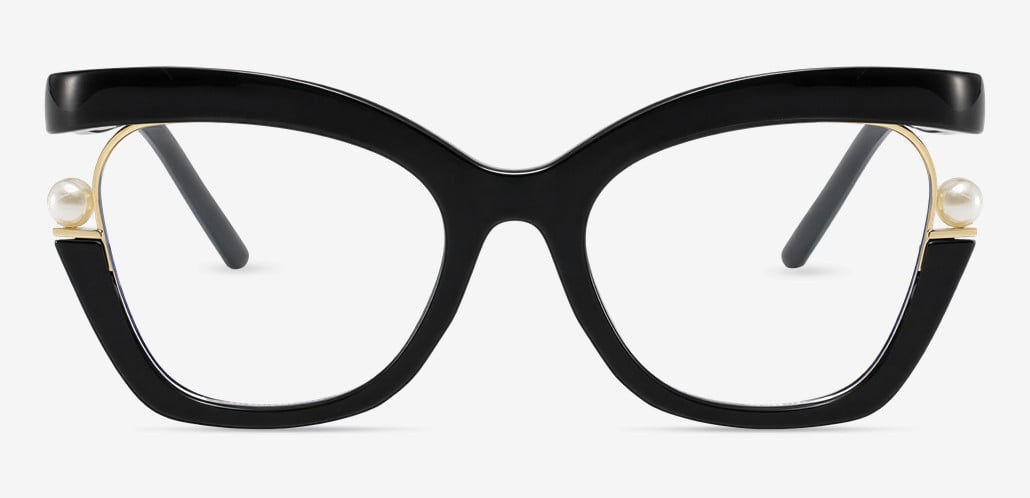
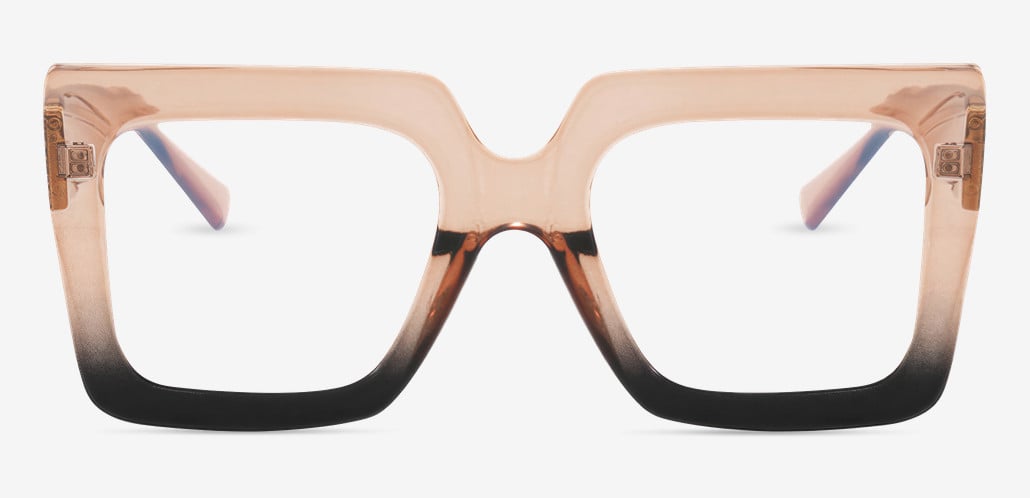
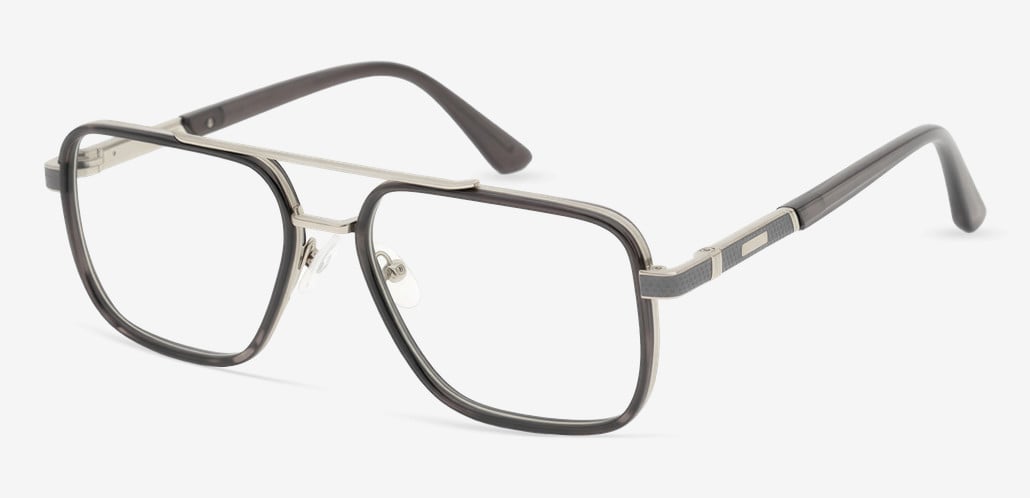
Here's a detail that surprises almost everyone: not every frame can hold a progressive lens well. The corridor needs vertical room. In a very shallow, narrow lens — think skinny rectangular frames — the reading zone gets compressed into a sliver at the bottom, and you end up hunting for it with your chin in the air.
Opticians talk about fitting height: the vertical distance from your pupil to the bottom of the lens. Most progressive designs want roughly 28 millimeters or more of total lens depth to breathe. When you shop, whether online or in a store, favor frames with a bit of vertical generosity — and if a retailer filters or pre-screens its frames for progressive compatibility, that's the sign of a seller who understands the product.
Ordering online: what you actually need
Buying progressive glasses online is routine now, but the inputs matter more than they do for single-vision glasses. You'll need three things:
A current, complete prescription — including the ADD value. If your prescription doesn't show one, it isn't a progressive prescription yet; ask your eye doctor rather than guessing.