
When shopping for sunglasses, most people focus on lens color, frame shape, or brand. But one factor has a bigger impact on comfort, durability, and everyday wear than many realize: frame material.
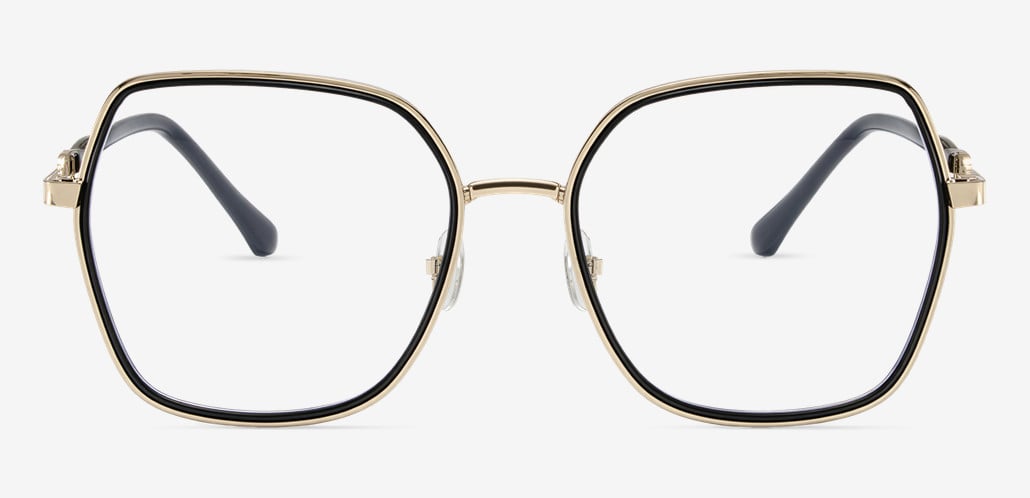
Metal sunglasses have been around for decades and remain one of the most popular choices in eyewear. From classic aviators to modern geometric designs, metal frames continue to dominate both fashion and performance categories.
But are metal sunglasses actually worth buying today? Or are lightweight plastic frames the smarter option?
The answer depends on how you wear your sunglasses, where you wear them, and what matters most to you.
This guide breaks down the real-world advantages and disadvantages of metal sunglasses so you can decide whether they're the right choice for your lifestyle.
Why Metal Sunglasses Never Really Go Out of Style
Unlike many eyewear trends that come and go, metal frames have maintained their popularity across generations.
There are a few reasons for this:
- Their slim profile looks sophisticated and refined.
- Metal frames work with both casual and formal outfits.
- They offer a premium appearance without being overly flashy.
- They adapt well to a wide range of frame shapes.
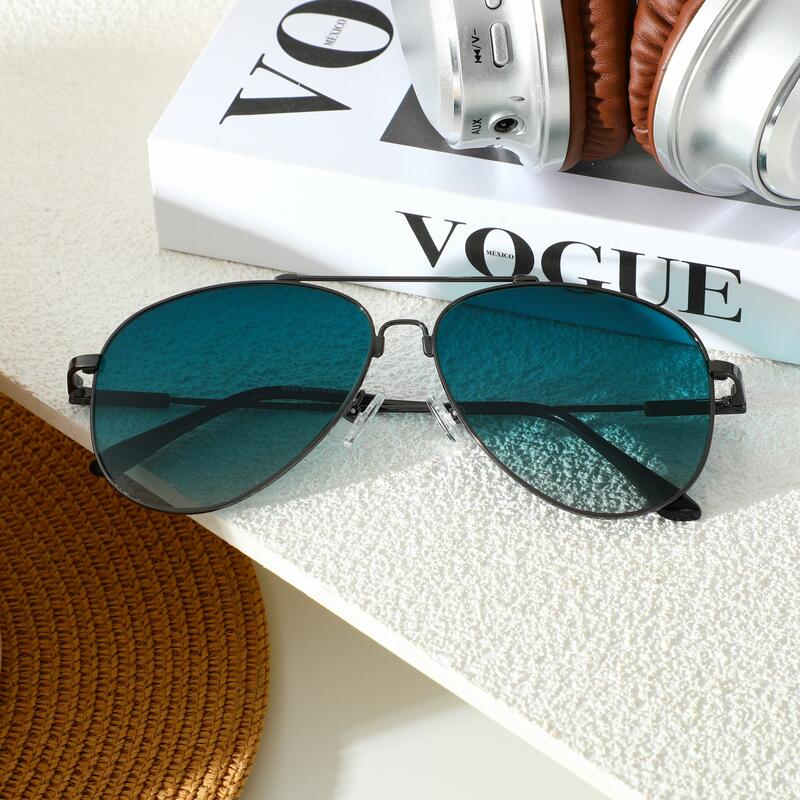
Whether you're wearing aviators, round frames, rectangles, or geometric styles, metal construction often creates a cleaner and more polished look than thicker plastic alternatives.
For many wearers, the appeal is simple: metal sunglasses tend to look more expensive and timeless.

The Biggest Advantages of Metal Sunglasses
1. They Deliver a More Premium Look
One of the first things people notice about metal frames is their visual refinement.
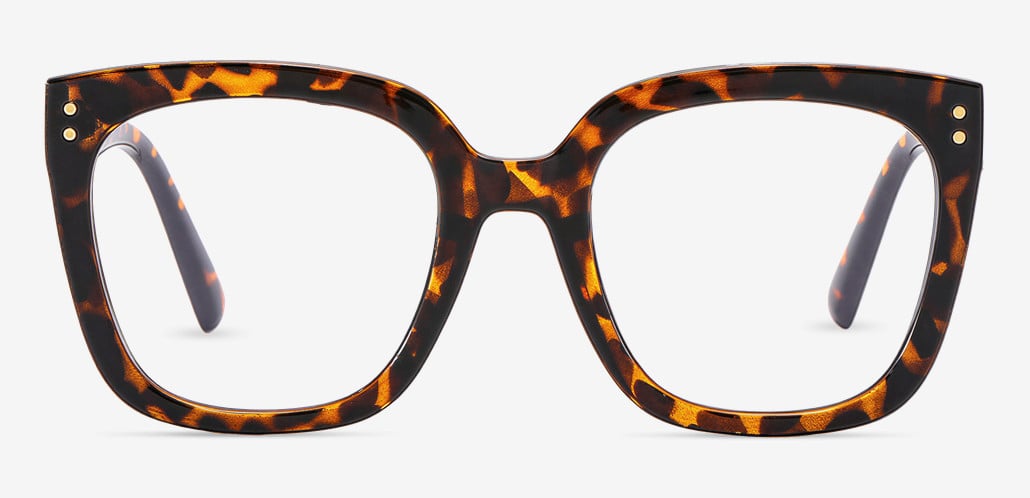
Thin metal lines create a cleaner silhouette around the face. This subtle design often feels more mature and professional than chunky acetate styles.
If you're looking for sunglasses that can transition from the beach to a business lunch without looking out of place, metal frames are difficult to beat.
2. They Offer Better Adjustability
A major benefit that many first-time buyers overlook is fit customization.
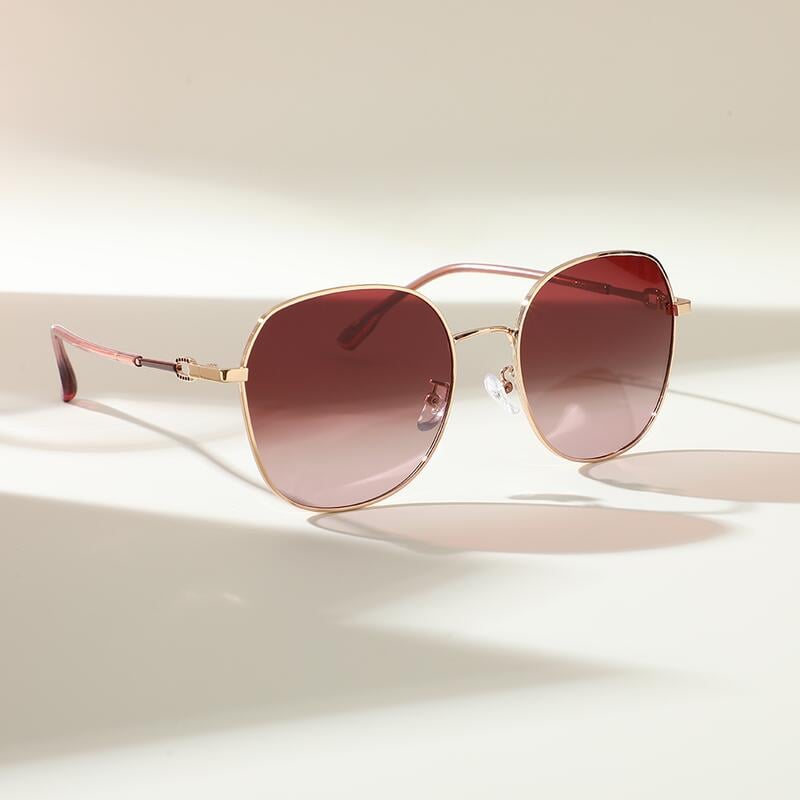
Most metal sunglasses include:
- Adjustable nose pads
- Flexible temples
- Easier frame alignment adjustments
This allows opticians to fine-tune the fit more precisely than many molded plastic frames.
For people with:
- Low nose bridges
- Narrow faces
- Uneven ears
- Hard-to-fit facial features
Metal frames can often provide a more personalized fit.

3. They Can Last for Years with Proper Care
High-quality metal sunglasses are surprisingly durable.
Unlike some plastic frames that become brittle over time, quality metal frames can withstand years of regular wear when maintained properly.
Materials such as:
- Stainless steel
- Titanium
- Monel alloys
are specifically designed to resist everyday stress and repeated use.
Many long-term sunglasses wearers report owning metal frames for five years or more with only minor maintenance.
4. They Tend to Feel Less Bulky
If you've ever felt overwhelmed by thick frames covering too much of your face, metal sunglasses may be a welcome change.
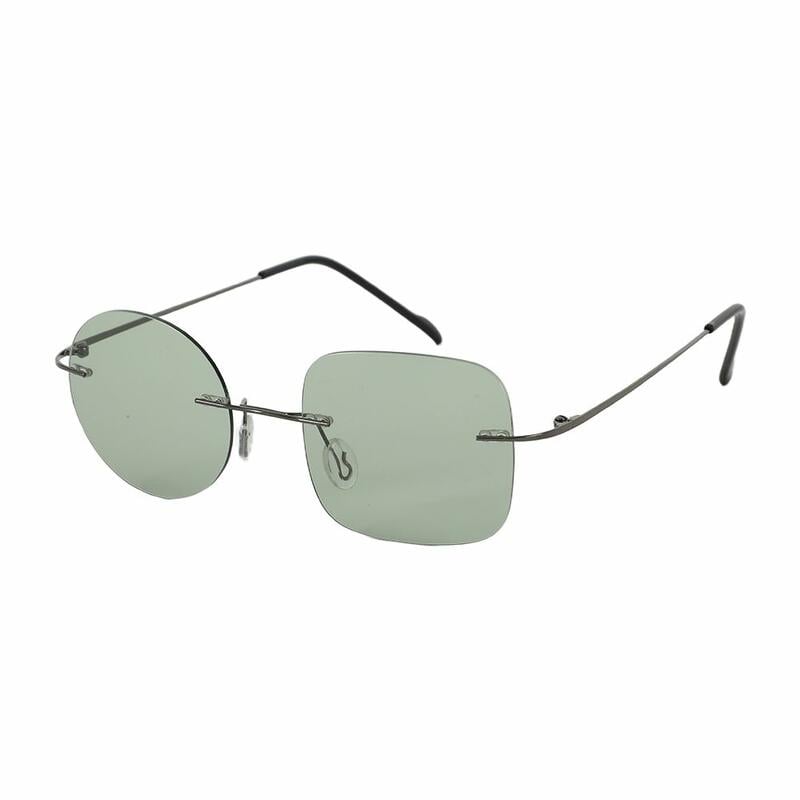
Their thinner construction can:
- Create a lighter visual appearance
- Reduce facial coverage
- Feel less intrusive during extended wear
This is particularly appealing for professionals who wear sunglasses frequently during commuting or outdoor work.

5. They Pair Well with Prescription Lenses
Many optical professionals recommend metal frames for prescription sunglasses because they allow for precise lens mounting and adjustment.
This can be especially beneficial for:
- Progressive lenses
- High-index lenses
- Multifocal sunglasses
The ability to make small fitting adjustments often improves long-term comfort.
The Drawbacks of Metal Sunglasses
No frame material is perfect.
Understanding the trade-offs is essential before making a purchase.
1. They Can Get Hot in Direct Sunlight
Metal absorbs heat more readily than plastic.
If you frequently leave your sunglasses:
- On a car dashboard
- At the beach
- Near reflective surfaces
the frame may become noticeably warm.
While this is rarely dangerous, it can be uncomfortable during hot summer afternoons.
2. Some Models Are Heavier Than Plastic Frames
Not all metal sunglasses are lightweight.
Frame weight varies significantly depending on the material used.
For example:
- Titanium is exceptionally light.
- Stainless steel is moderately light.
- Thicker alloy frames may feel heavier.
If weight is a top priority, always check the frame material rather than assuming all metal frames feel the same.
3. Metal Frames Can Bend
Flexibility is both a strength and a weakness.
A metal frame is less likely to crack than plastic, but it can become bent if:
- Sat on accidentally
- Stored improperly
- Dropped repeatedly
The good news is that many bends can be corrected by an eyewear professional.
4. Some People Experience Skin Sensitivity
Although uncommon, certain wearers may react to nickel-containing alloys.
If you have sensitive skin or a history of metal allergies, look for:
- Titanium frames
- Hypoallergenic coatings
- Nickel-free metal construction
These options greatly reduce the likelihood of irritation.

Who Should Choose Metal Sunglasses?
Metal sunglasses are often an excellent choice for:
Professionals
Their polished appearance works naturally in business environments and elevates everyday outfits.
Frequent Travelers
Adjustable fit and long-term durability make them practical for people constantly on the move.
Minimalist Dressers
If your wardrobe leans toward clean lines and neutral colors, metal frames usually complement that aesthetic effortlessly.
People Who Struggle with Frame Fit
Adjustable nose pads and temples often solve fitting issues that molded plastic frames cannot.

Who May Prefer Plastic Frames Instead?
Metal sunglasses might not be ideal if:
- You frequently participate in high-impact sports.
- You need ultra-lightweight frames at the lowest possible cost.
- You spend extended periods in extreme heat.
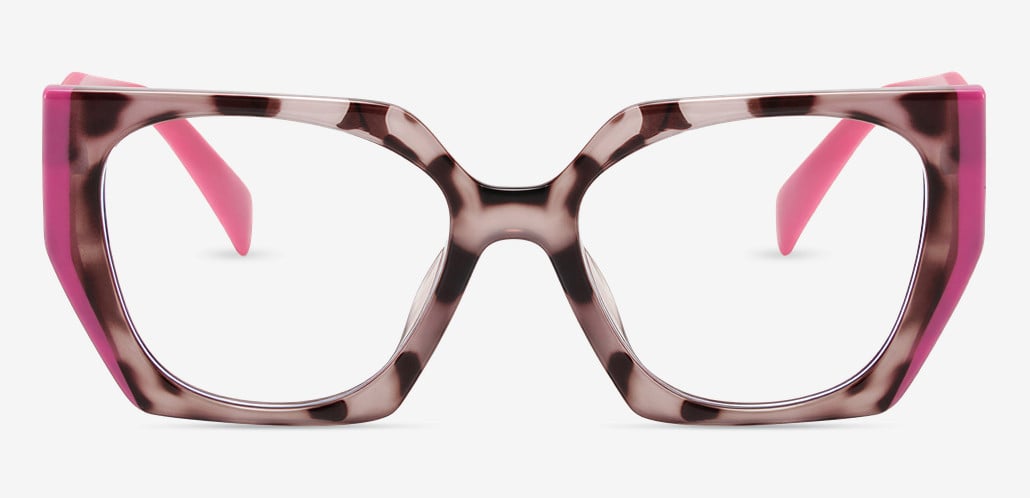
- You strongly prefer bold statement eyewear.
In these situations, certain acetate or performance sport frames may be more suitable.
Comparing Popular Metal Frame Materials
Titanium
Best For:
- Maximum comfort
- Lightweight wear
- Sensitive skin
Pros:
- Extremely light
- Corrosion resistant
- Hypoallergenic
Cons:
- Usually more expensive
Stainless Steel
Best For:
- Everyday durability
- Balanced performance
Pros:
- Strong
- Affordable
- Rust resistant
Cons:
- Slightly heavier than titanium
Monel
Best For:
- Fashion-focused styles
Pros:
- Flexible
- Easy to manufacture
- Cost-effective
Cons:
- May contain nickel in some models

Questions Smart Buyers Ask Before Purchasing
Instead of asking whether metal sunglasses are "better," consider these questions:
- Will I wear them daily or occasionally?
- Do I need adjustable nose pads?
- Am I sensitive to certain metals?
- Will I use them mostly in hot climates?
- Do I prioritize style, comfort, or durability?
The answers often reveal whether metal frames are truly the best fit for your needs.
The Verdict: Are Metal Sunglasses Worth It?
For many people, the answer is yes.
Metal sunglasses offer a combination of sophistication, adjustability, durability, and versatility that few frame materials can match.
They aren't perfect. They can become warm in direct sunlight, may bend under pressure, and some alloys can irritate sensitive skin.
However, for everyday wearers seeking a timeless look and a customized fit, quality metal sunglasses remain one of the smartest long-term investments in eyewear.
Rather than following trends, choose a frame that matches how you actually live. If comfort, refinement, and longevity are high on your list, metal sunglasses are often well worth the investment.
Explore our collection of Metal Sunglasses to find lightweight, stylish frames designed for all-day comfort and lasting performance.