








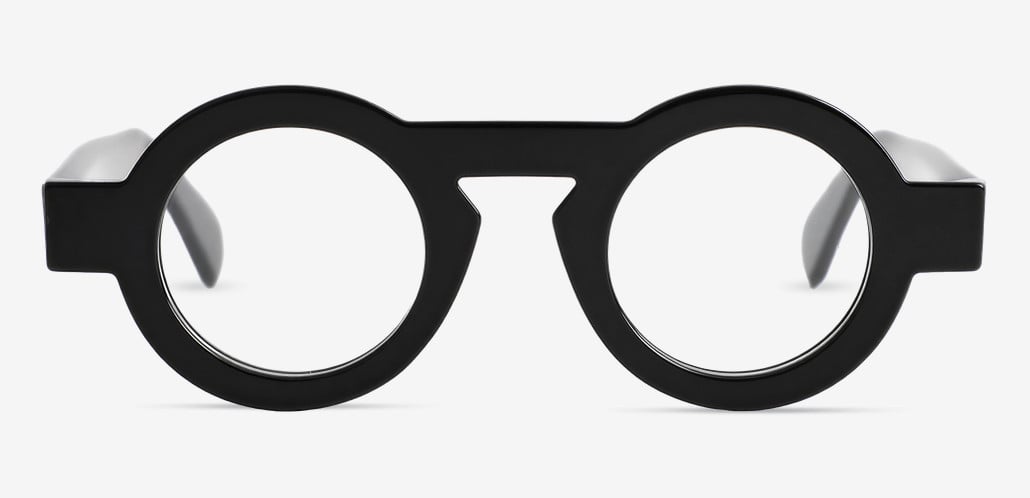


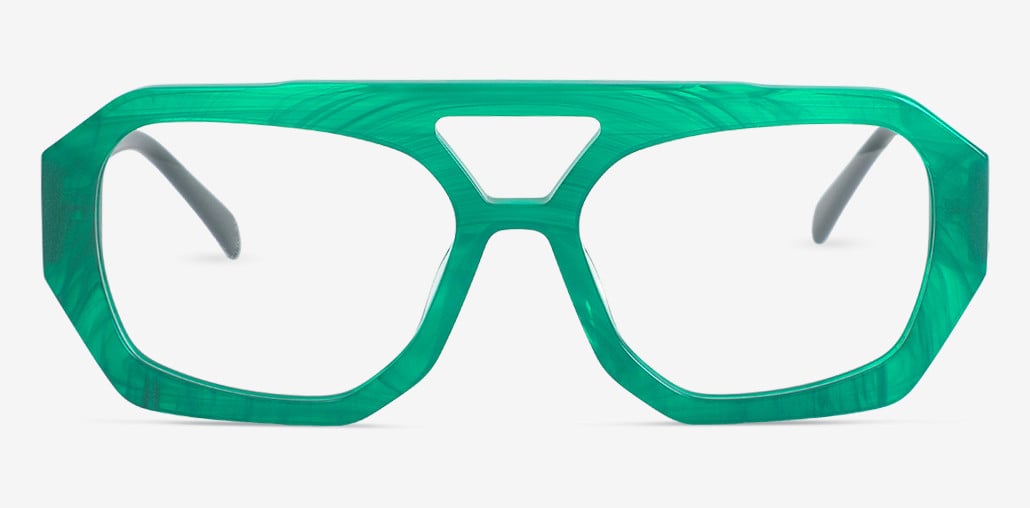

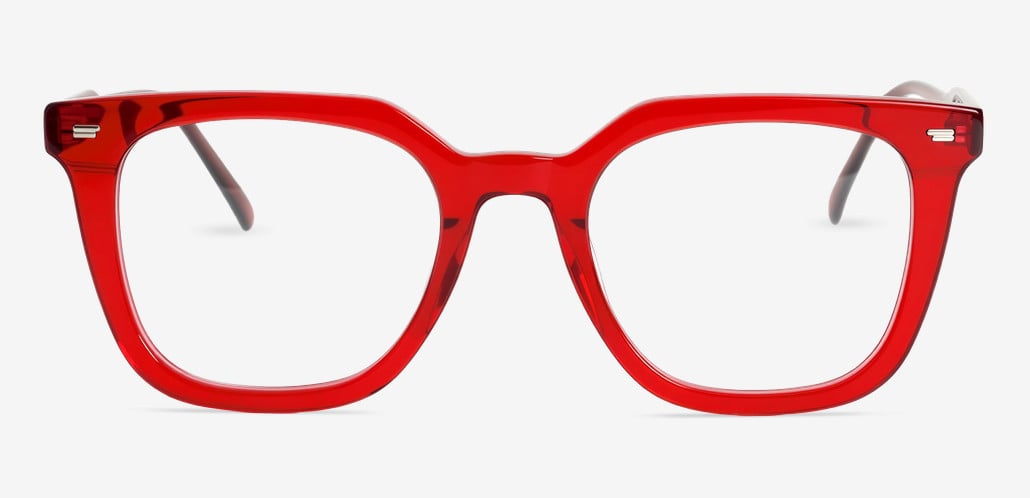

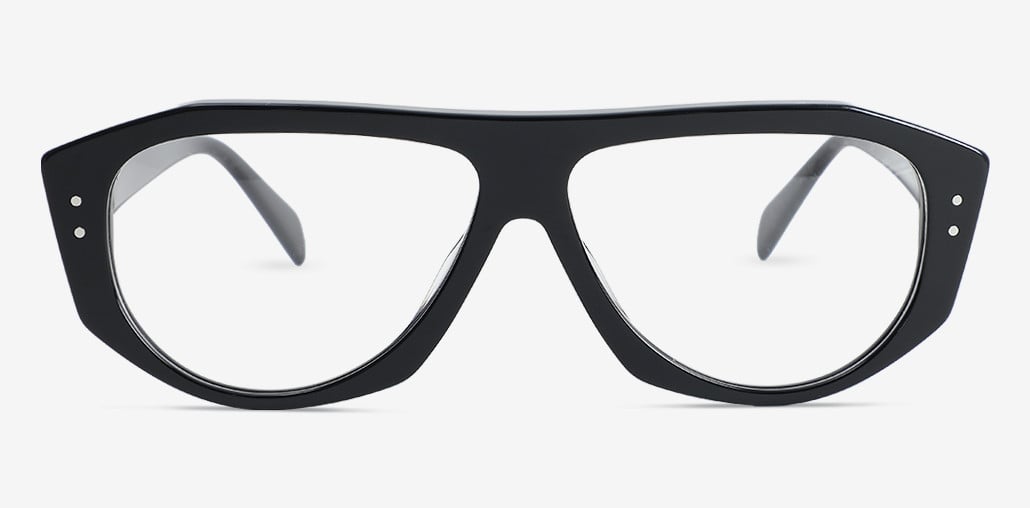

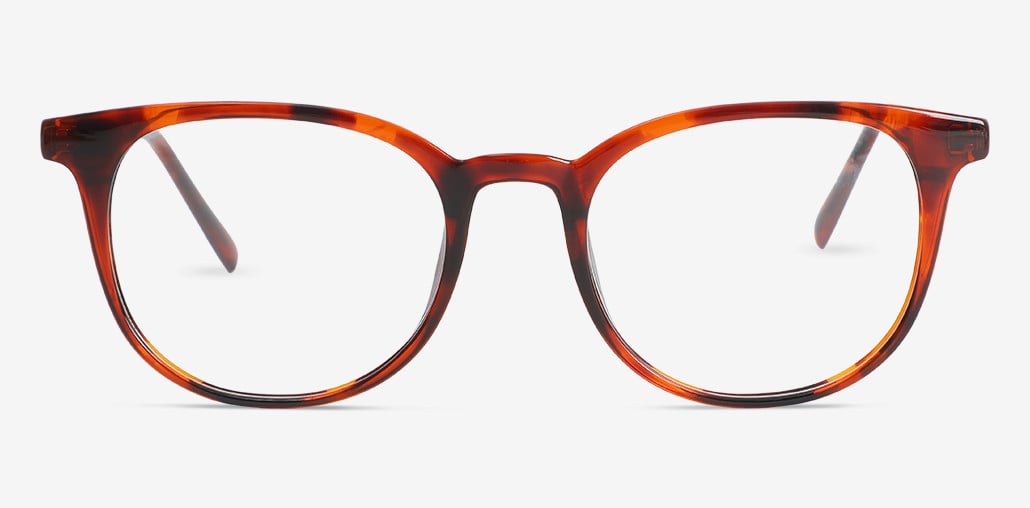

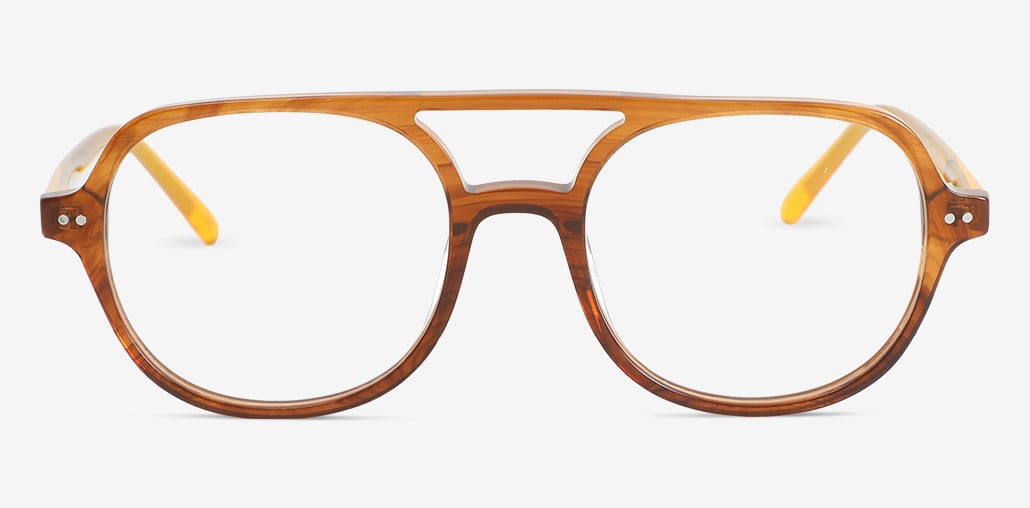

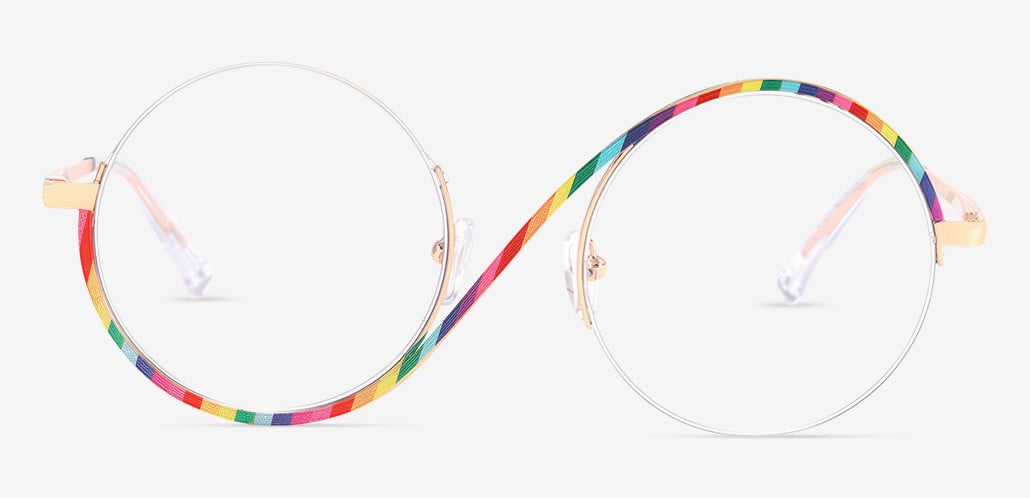

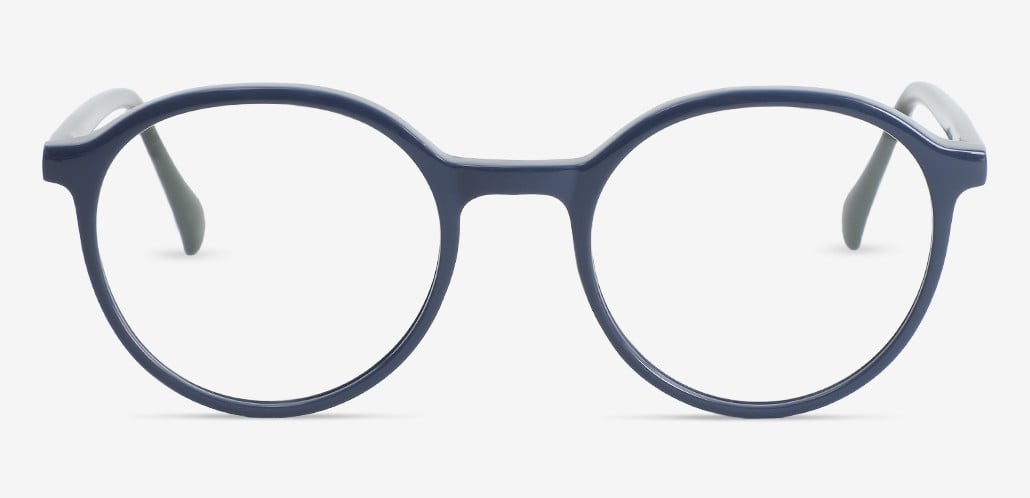

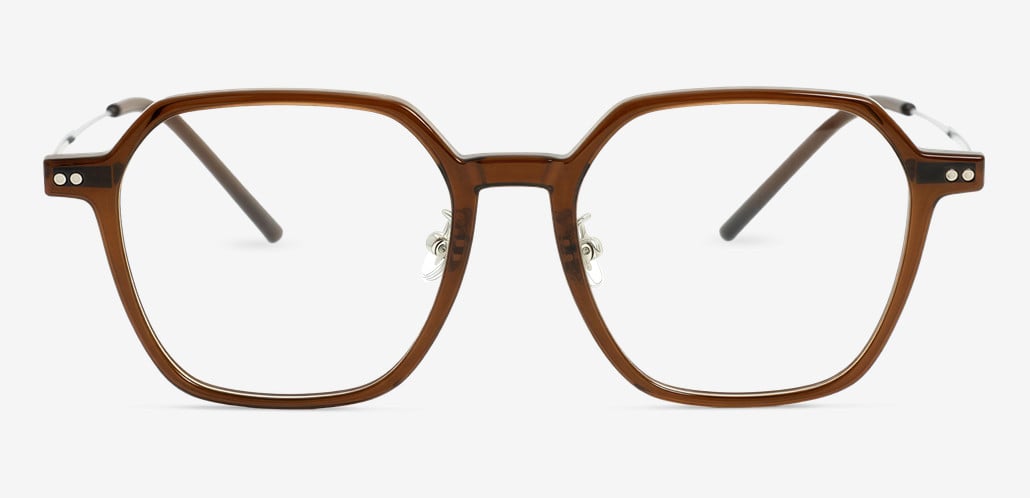
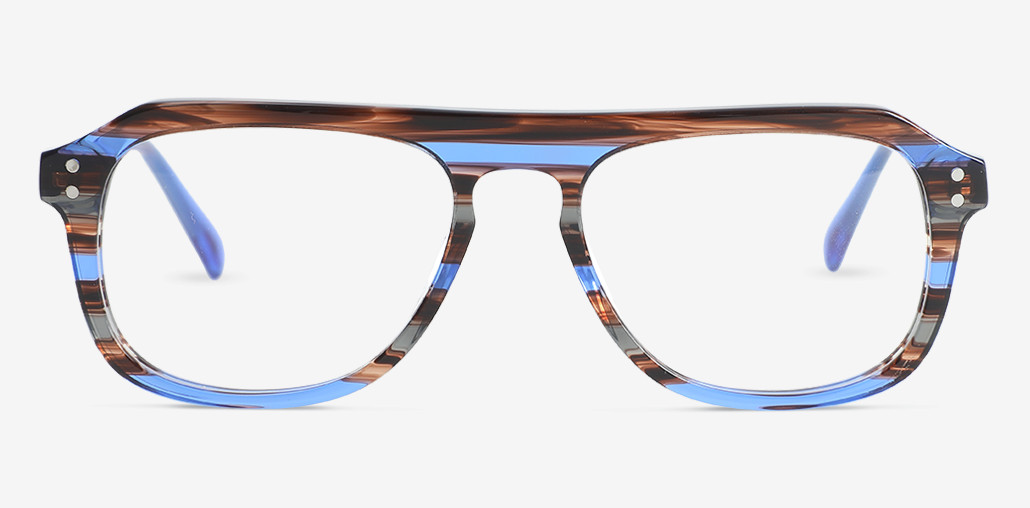
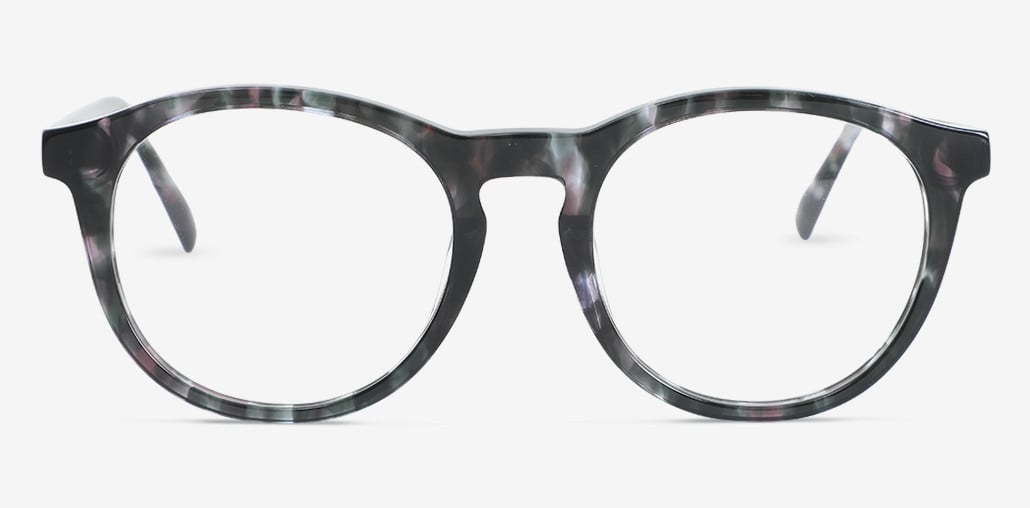

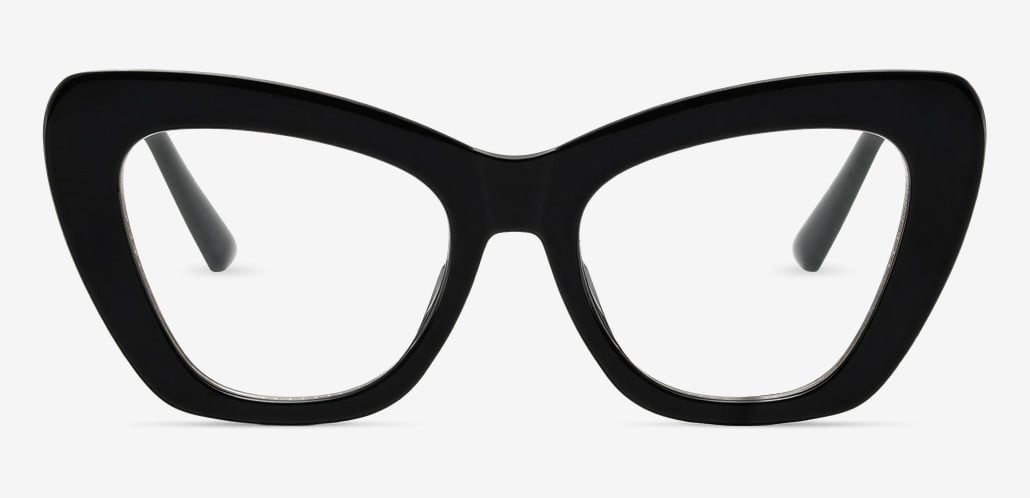

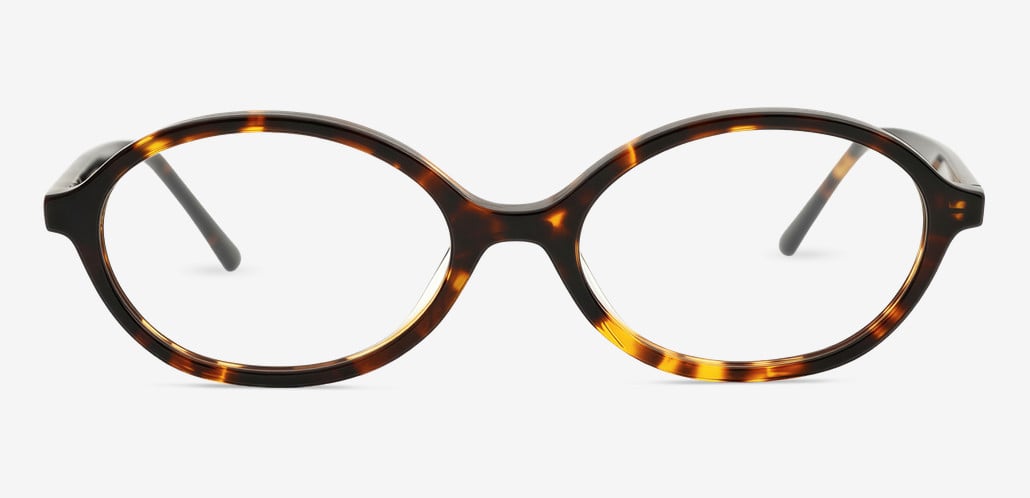

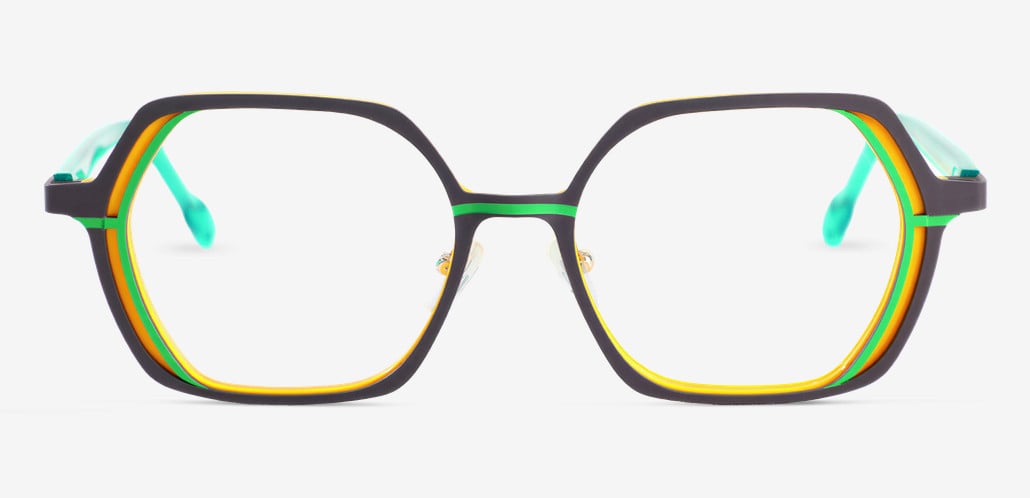

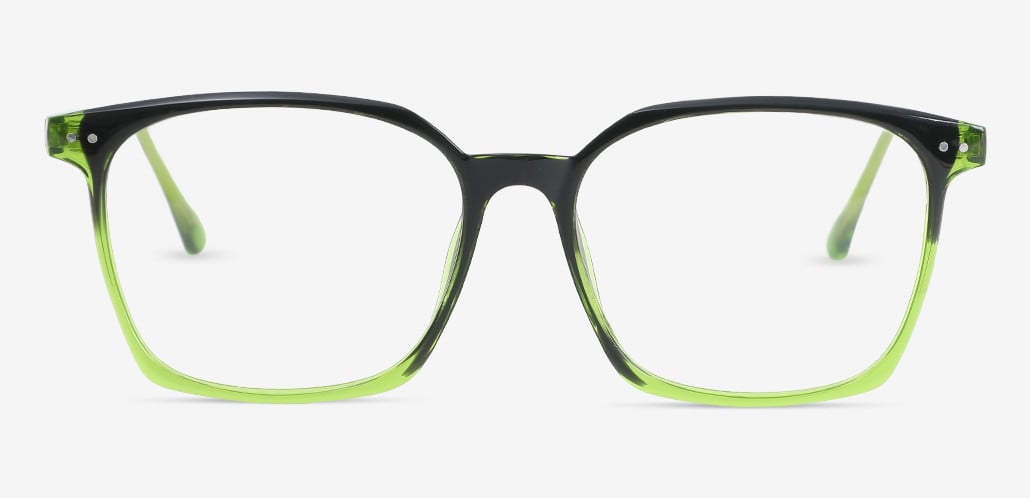



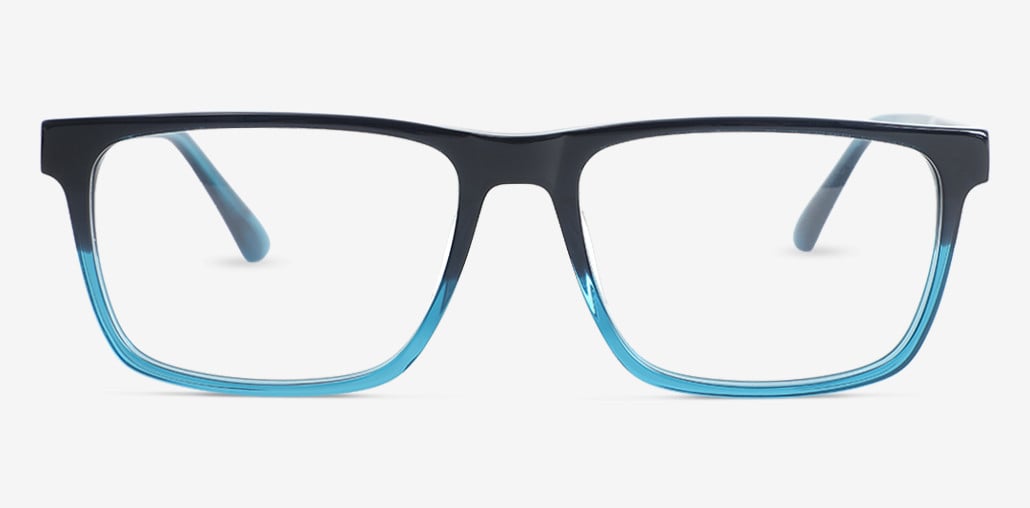
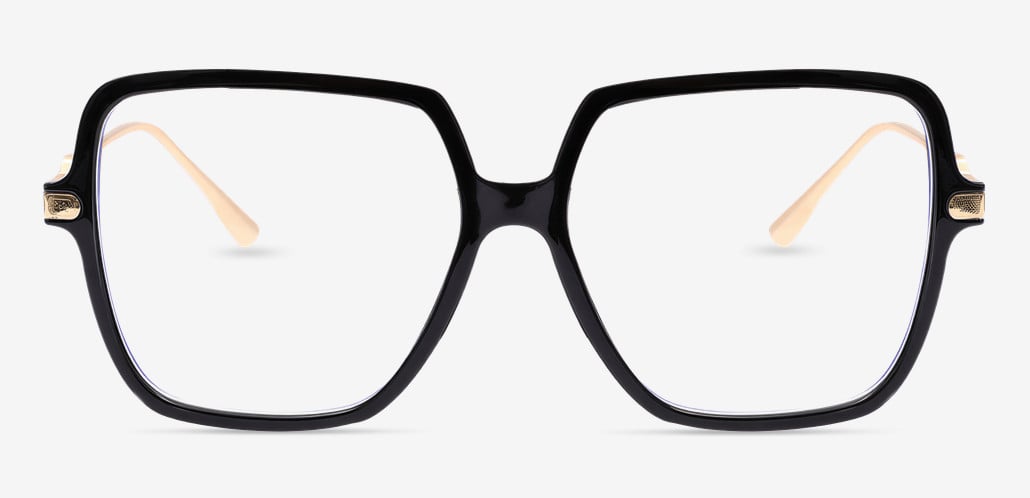

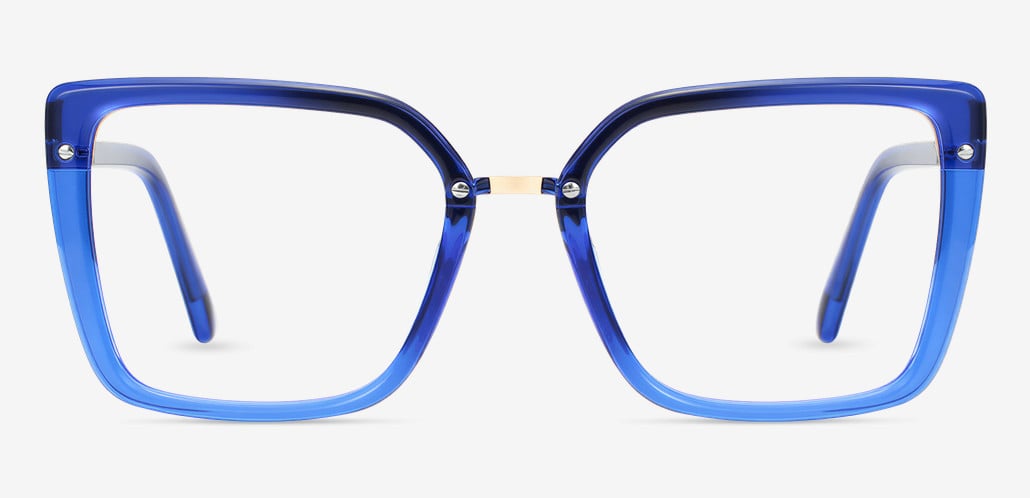
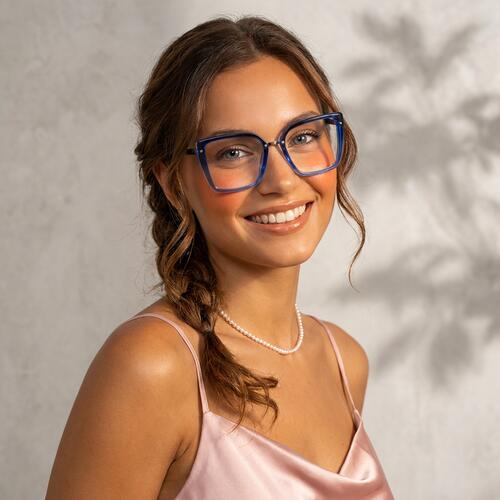
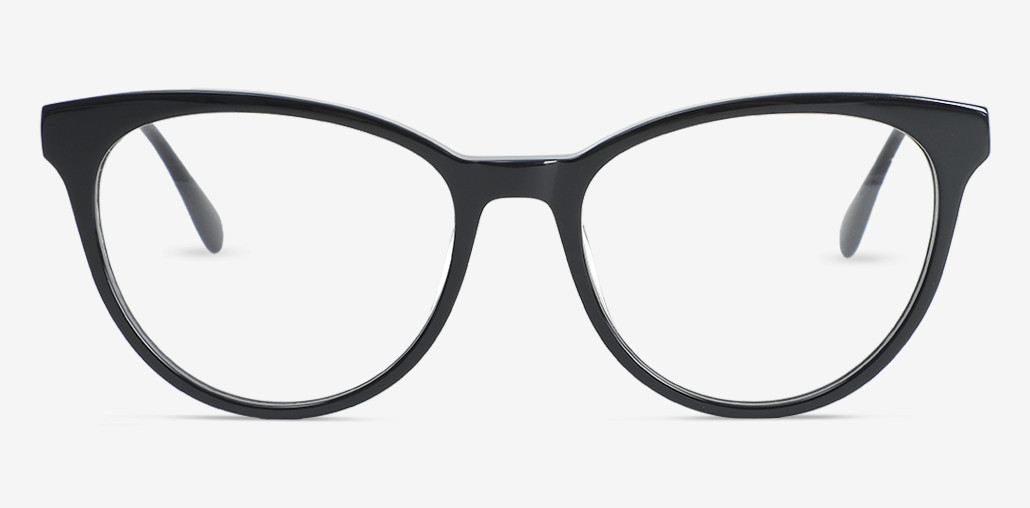
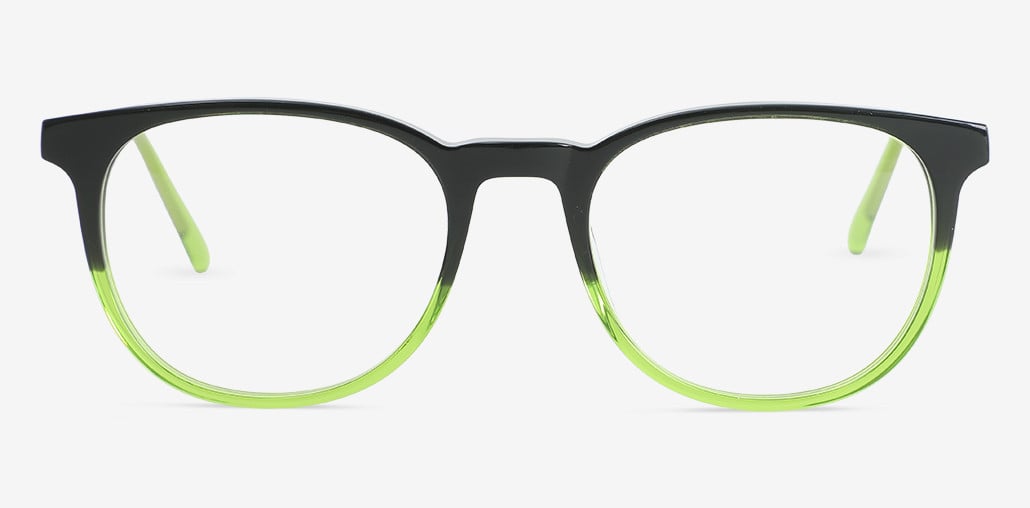
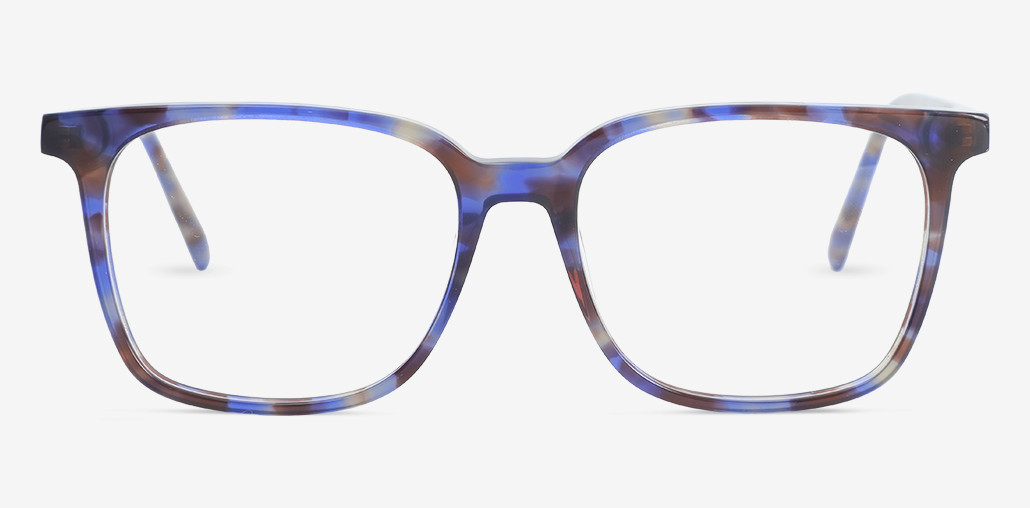
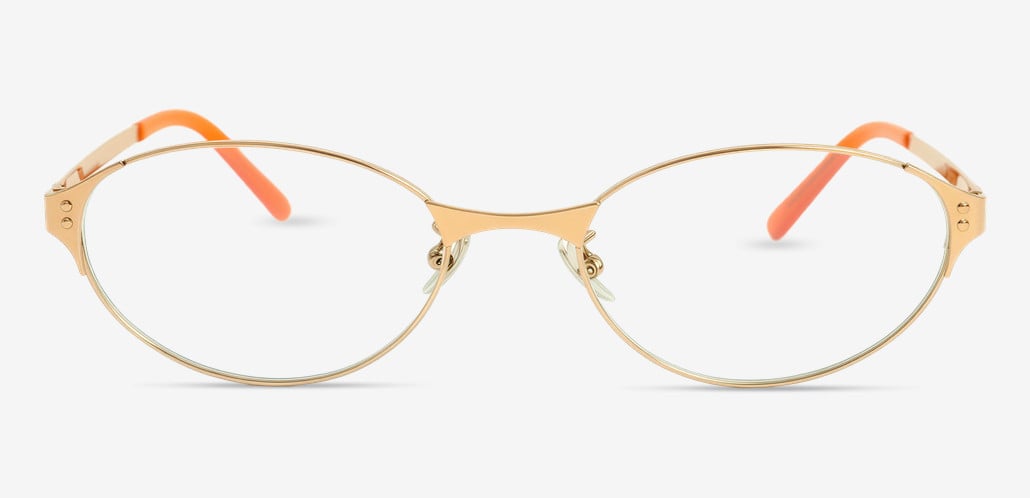

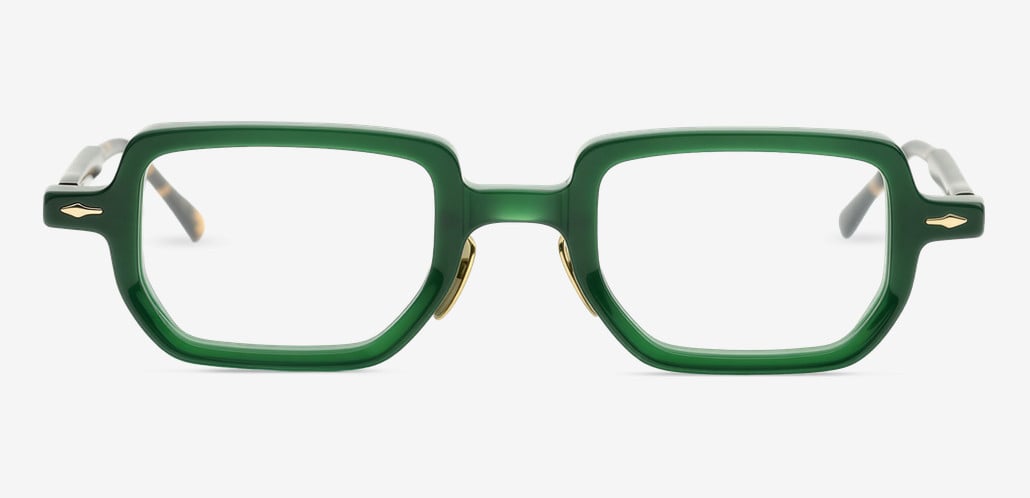

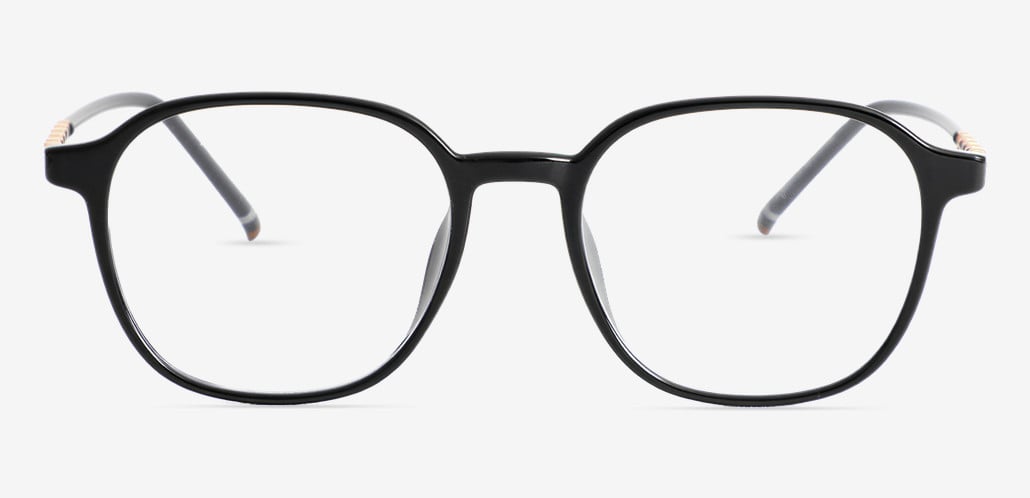

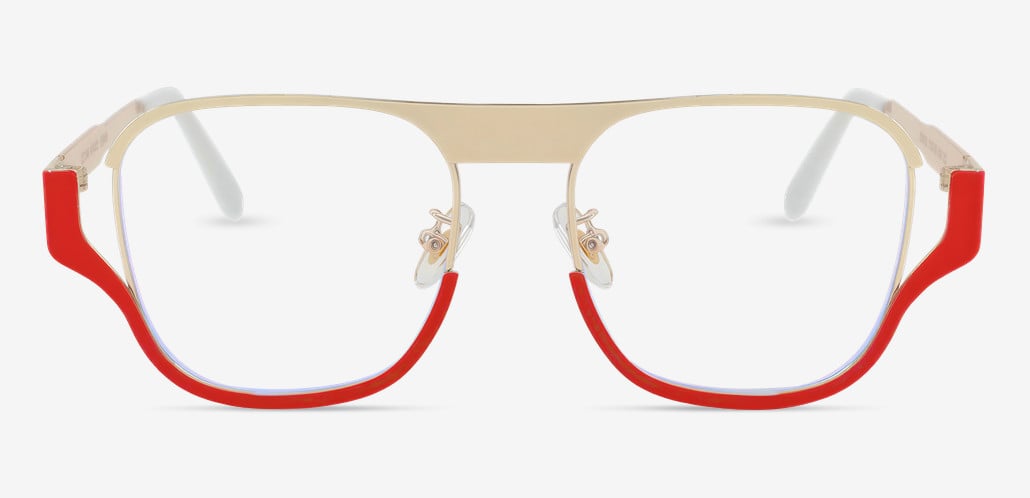

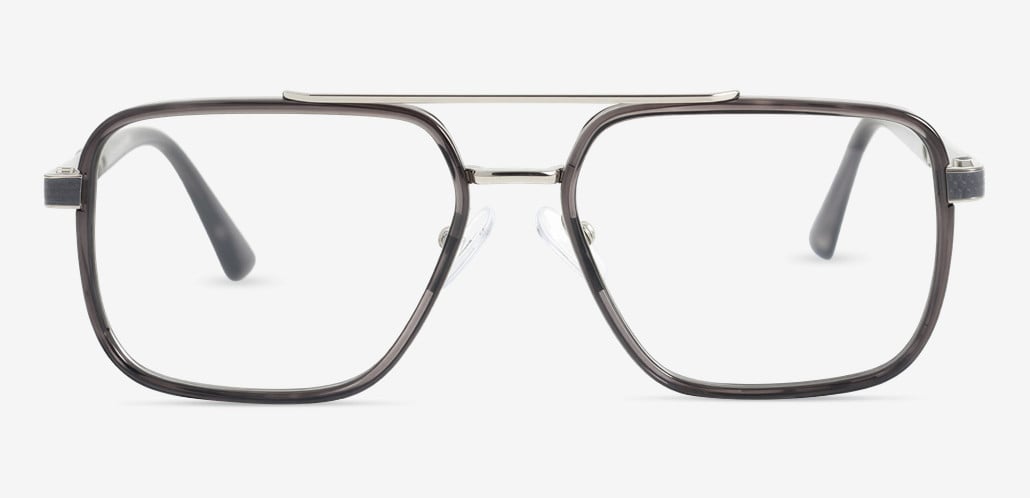




Progressive Glasses — Fit-Checked by an Optician Before They Ship
Frequently Asked Questions About Progressive Glasses
How long does it take to adjust to progressive lenses?
Most people adapt within one to two weeks of full-time wear. The first few days often bring mild edge blur or a swimming feeling — that's your eyes learning the lens corridor, not a defect. If discomfort persists past two weeks, your fitting measurements may need adjustment; contact us and we'll review your order.
Can I get a different power for each eye?
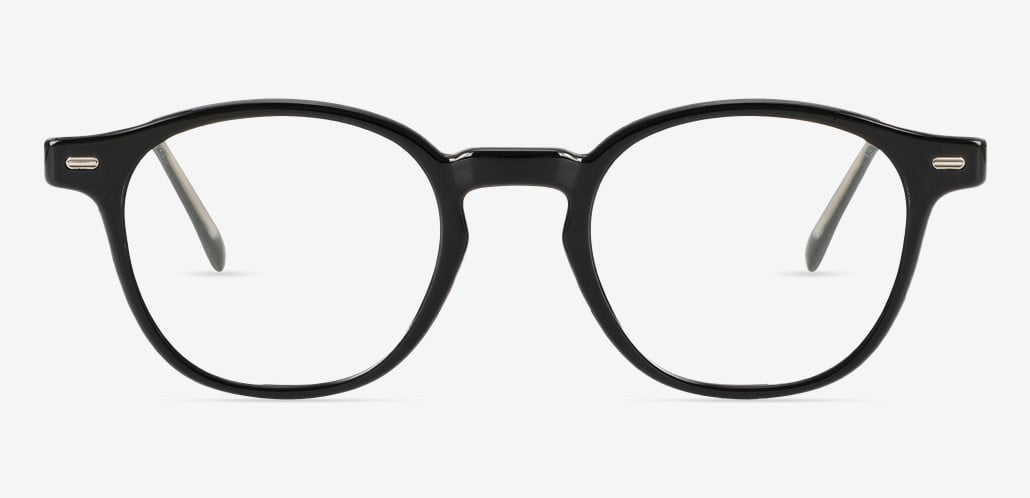
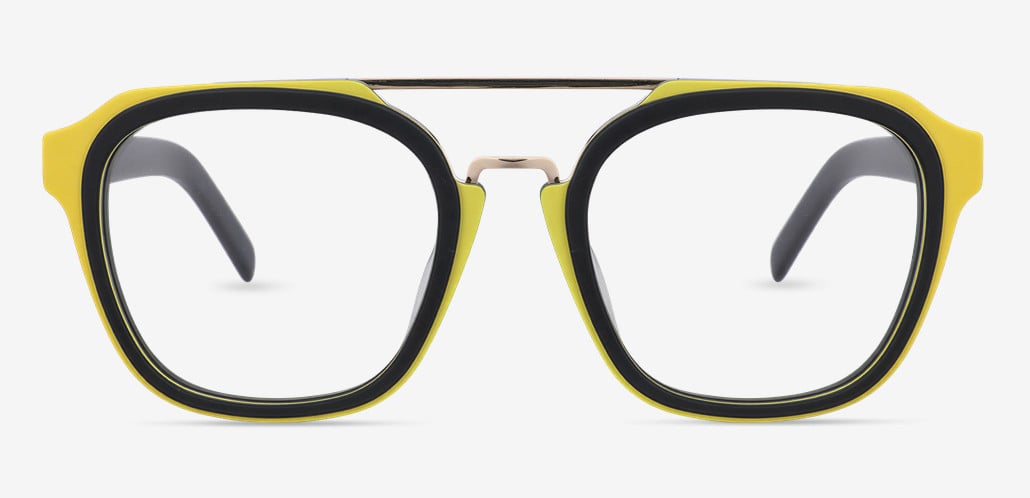
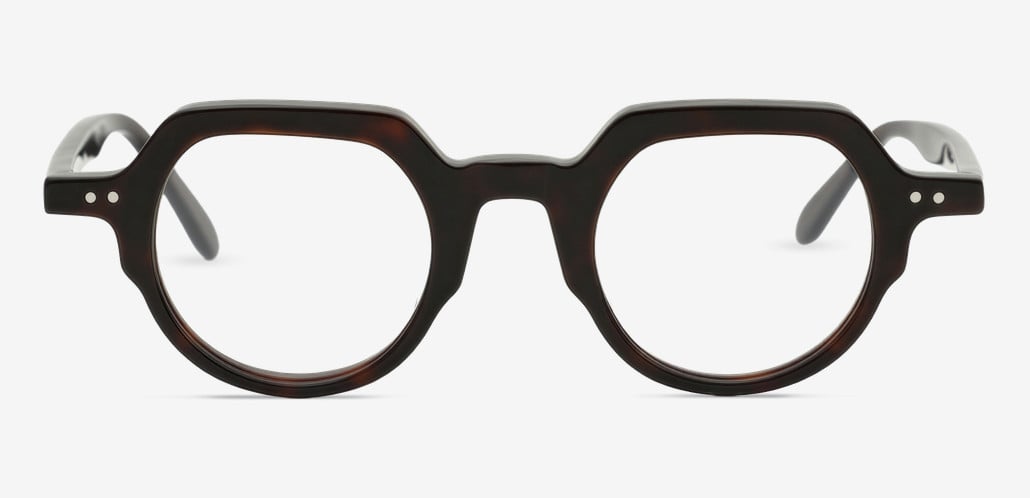
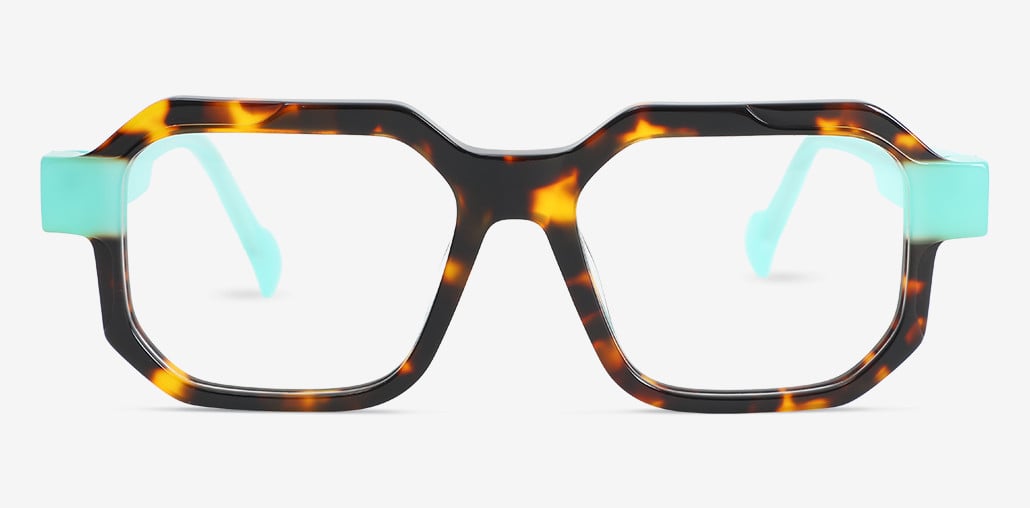
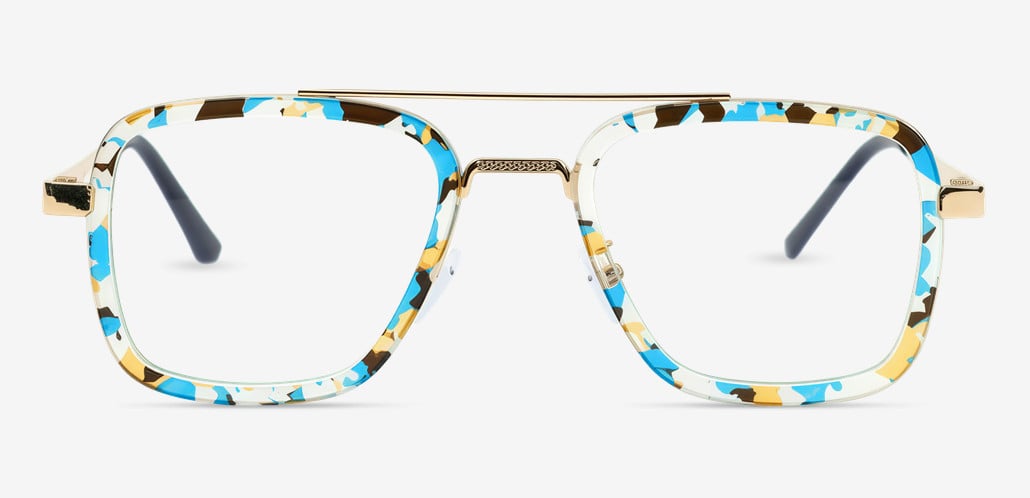
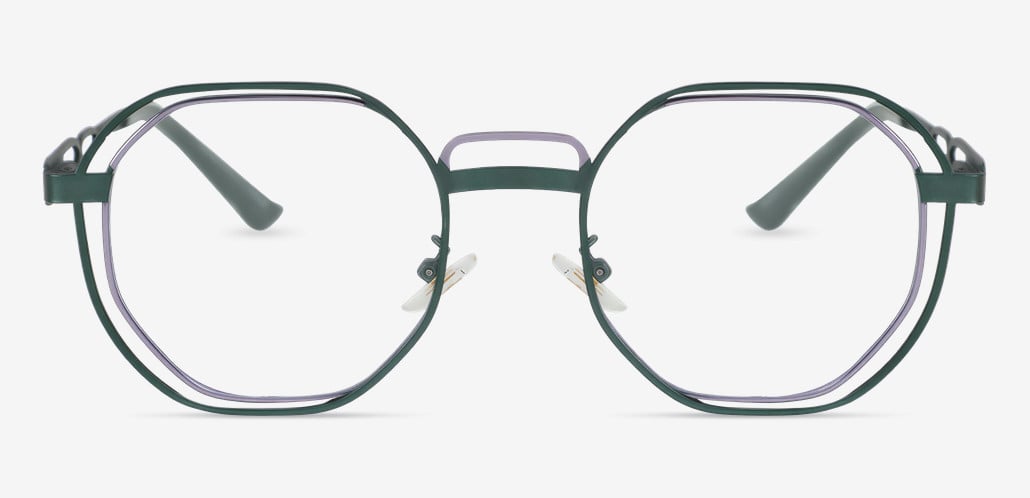
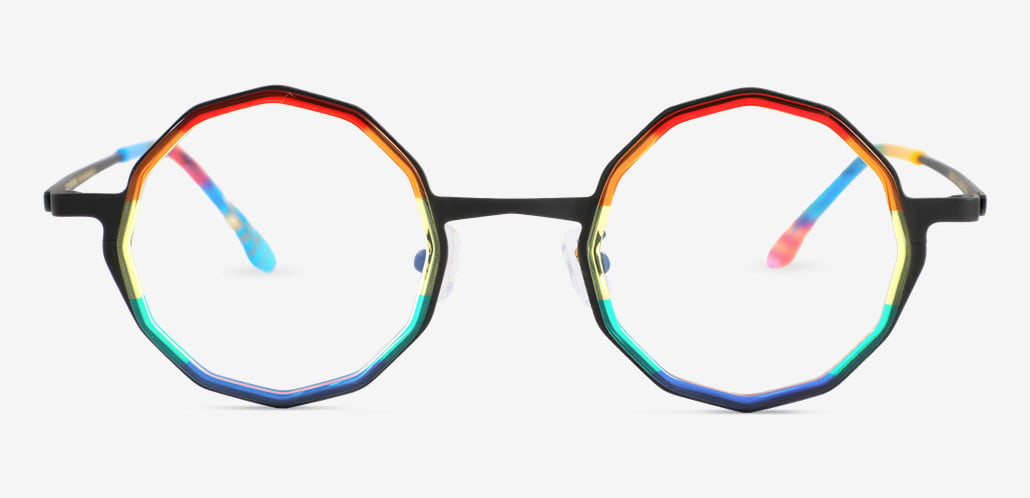
Yes — the risk with ordering progressives online is fit, not the concept. Progressives need an accurate prescription with ADD power, a correct pupillary distance, and a frame tall enough for the lens corridor.Aoolia controls all three: this collection is pre-screened for lens height, and an optician verifies every order before it ships.
What's the difference between progressive glasses and no-line bifocals?
Nothing — they're the same thing. 'No-line bifocals' is the everyday name for progressive lenses: near, intermediate, and distance correction blended into one lens with no visible dividing line.
What do I need from my prescription to order?
Your full prescription including SPH, CYL, Axis, and the ADD (Addition) value — that's the number that makes a lens progressive. You'll also need your pupillary distance (PD). If your prescription doesn't list an ADD value, ask your eye doctor before ordering.
Why do my progressive lenses feel blurry at the edges?
Some peripheral softness is built into how progressive lenses work —the corridor concentrates sharp vision in the center of the lens. Turning your head toward what you're viewing, rather than glancing sideways,keeps you in the clear zones. Significant or persistent blur usually points to a fitting-height or PD issue, which we can check against your order.