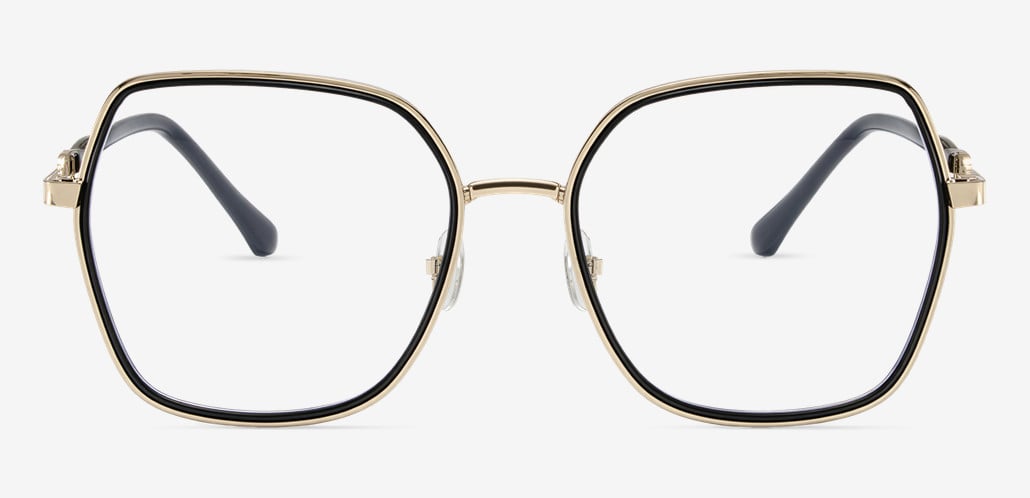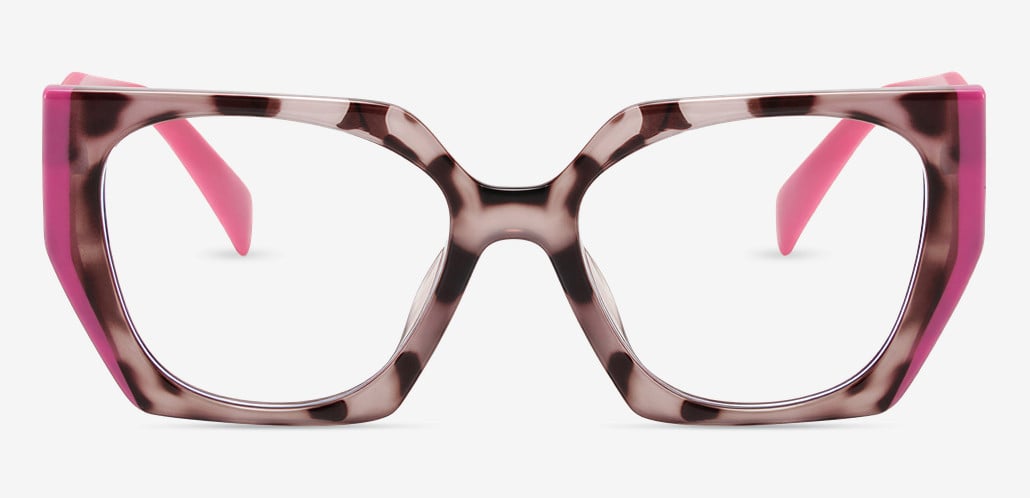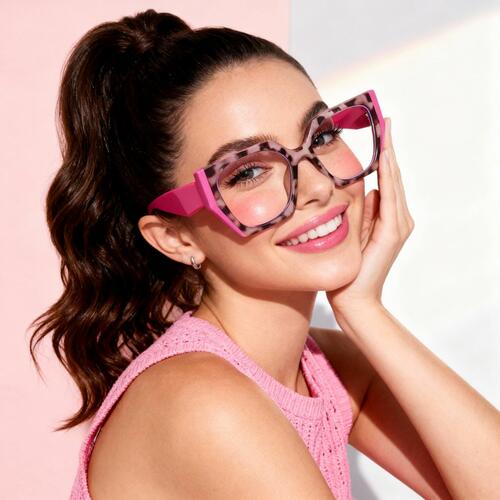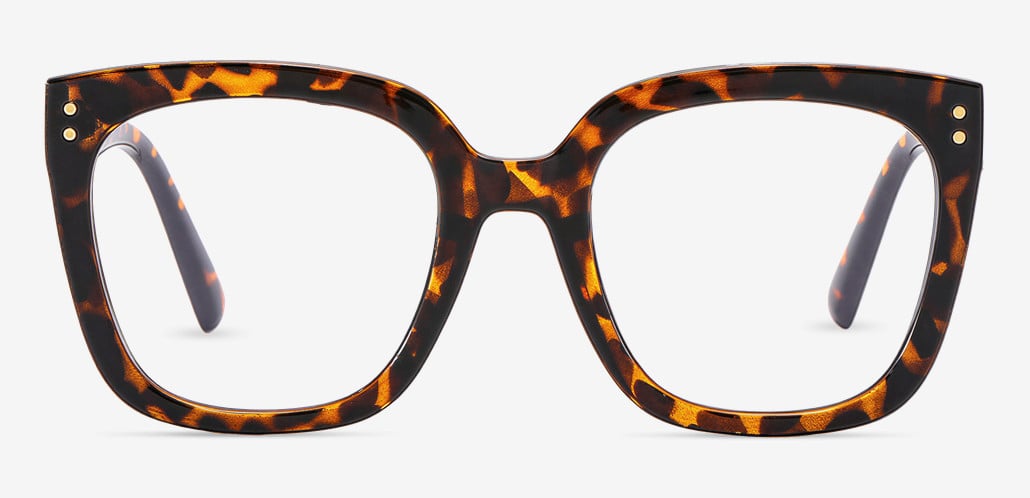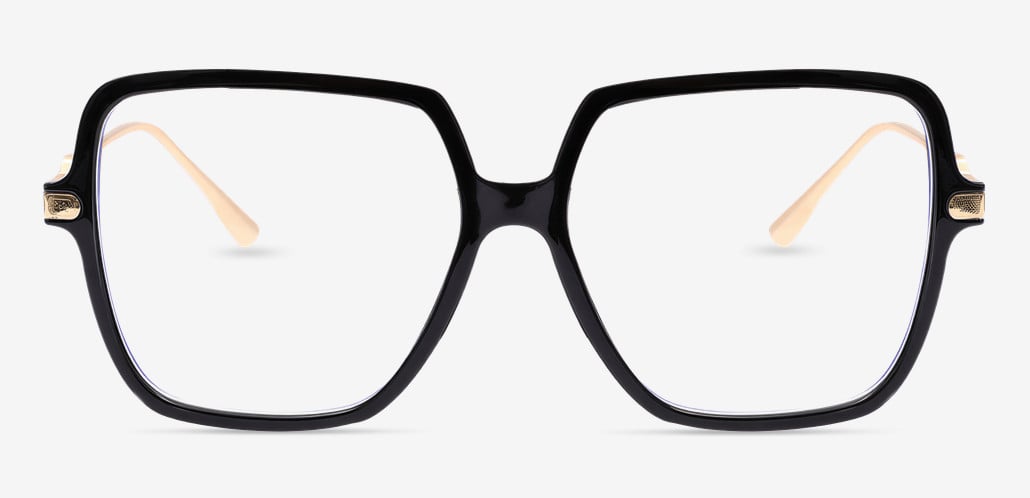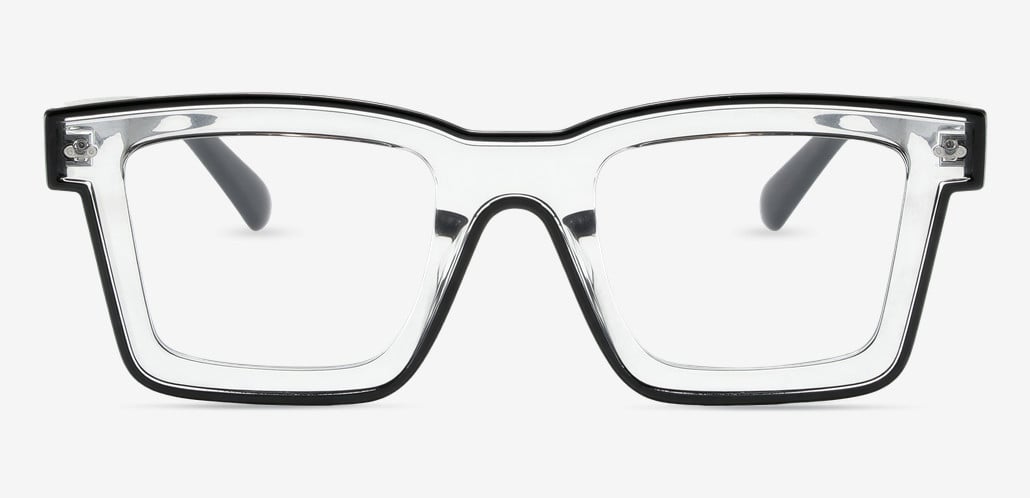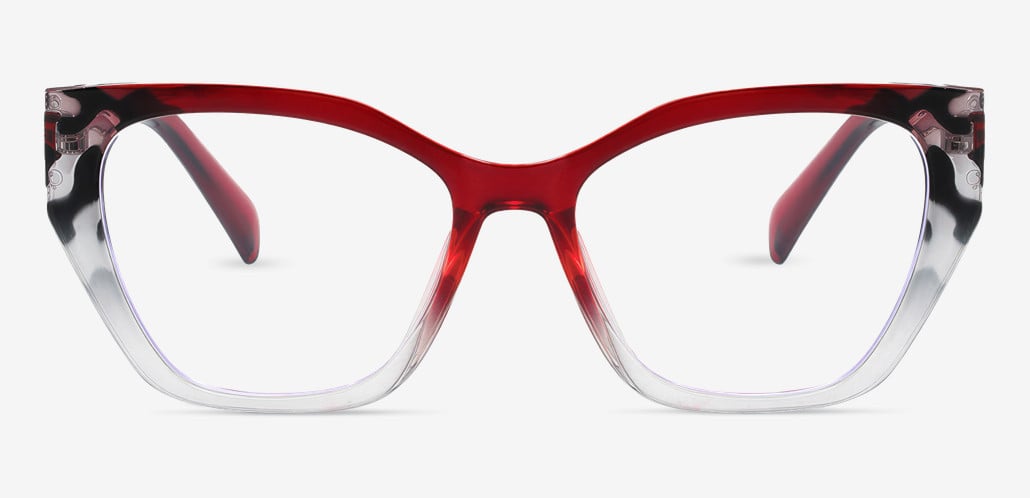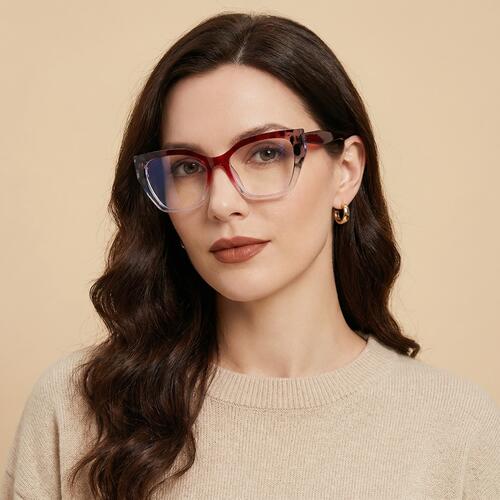

Most people shopping for tortoise glasses are trying to match them to something. A coat, a hair color, a wardrobe that's mostly neutral. They scroll the grid, pick the pair that looks "warm enough," and hope it works.
Here's the thing they're missing: you can't really match a tortoise frame the way you'd match a solid color, because tortoise isn't a solid color. It's a marbled blend — amber, honey, brown, and near-black scattered through a translucent base — and that blend is doing something no single-color frame can do. It's quietly borrowing from half your closet at once.
That one fact explains almost everything about why tortoiseshell has stayed in style for a hundred years while other trends came and went, and it's the lens we'll use to walk through the whole category. So instead of handing you a chart of "six tortoise shades to know," we're going to teach you how to read a tortoise frame — the way the people who actually cut the acetate read one.
First, what you're actually wearing
The name is a leftover from a darker chapter, and it's worth knowing before you buy.
Original "tortoiseshell" wasn't tortoise at all. It came from the shell plates of the hawksbill sea turtle — the same beta-keratin protein your fingernails are made of — and from the 1600s onward it was carved into combs, jewelry boxes, and eventually eyeglass frames for the wealthy. By the 1920s, tortoiseshell spectacles were a genuine status symbol, the frame you wore if you wanted to look like you'd arrived.
That trade is over. In 1973, CITES — the international convention on trade in endangered species — outlawed commercial trade in hawksbill shell, and the hawksbill is today listed as critically endangered. In the United States it's also protected under the Endangered Species Act. So to be completely clear: a modern tortoise frame contains no animal product, and any "real shell" eyewear still circulating in some tourist markets is both illegal to import and tied directly to the killing of an endangered species. The pattern survived; thankfully, the practice didn't.
What replaced it is genuinely clever. Since the 1980s, the tortoise look has been built from cellulose acetate — a plant-derived plastic. Manufacturers dice up sheets of differently pigmented acetate, scatter the chips together, then fuse and press them into a single block. That block gets sliced into thin sheets, and each frame is cut from a slightly different part of the pattern.
The practical consequence matters for you as a buyer: no two tortoise frames are exactly alike. The honey-and-espresso swirl on the pair you order won't be pixel-for-pixel identical to the photo, because that specific arrangement of color existed in exactly one slice of one block. People sometimes flag this as a defect. It's the opposite — it's the signature of how genuine acetate tortoise is made, and it's why a good tortoise frame never looks mass-produced even when it's affordable.
How to read a tortoise pattern (the part nobody explains)
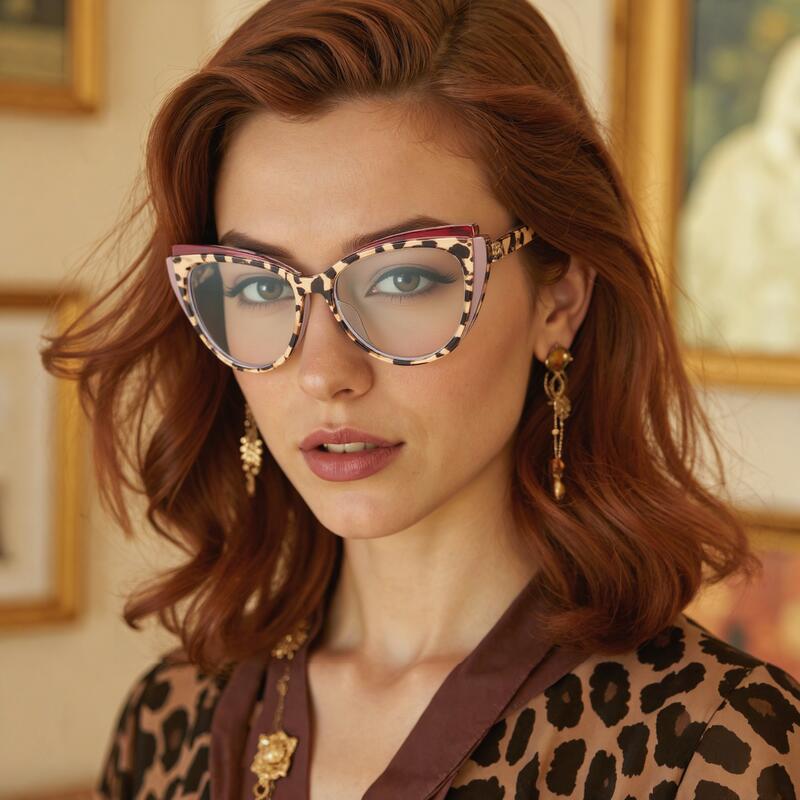
Forget shade names for a minute. Every tortoise frame is really just three dials, and once you can see the dials, the names ("honey," "espresso," "blonde," "havana") stop mattering — you'll be choosing by effect instead of by label.
Dial one: the base tone. This is the dominant color the eye lands on from across a room. Warm and light (honey, amber, caramel) reads friendly, soft, and casual. Deep and cool (espresso, near-black "dark tortoise") reads sharp and professional and behaves almost like black from a distance. If you want one pair to cover both a Tuesday coffee run and a client meeting, the base tone is the dial you set first.
Dial two: the contrast. How dramatic is the difference between the light flecks and the dark ones? High-contrast tortoise — bright amber against deep brown — is the loud, characterful version; it draws the eye and makes a statement. Low-contrast tortoise — tones that blend into a soft, uniform haze — is the version that disappears into your face and acts like a true neutral. This dial, more than the base color, decides whether your glasses are an accessory people notice or one they just register as "you, but polished."
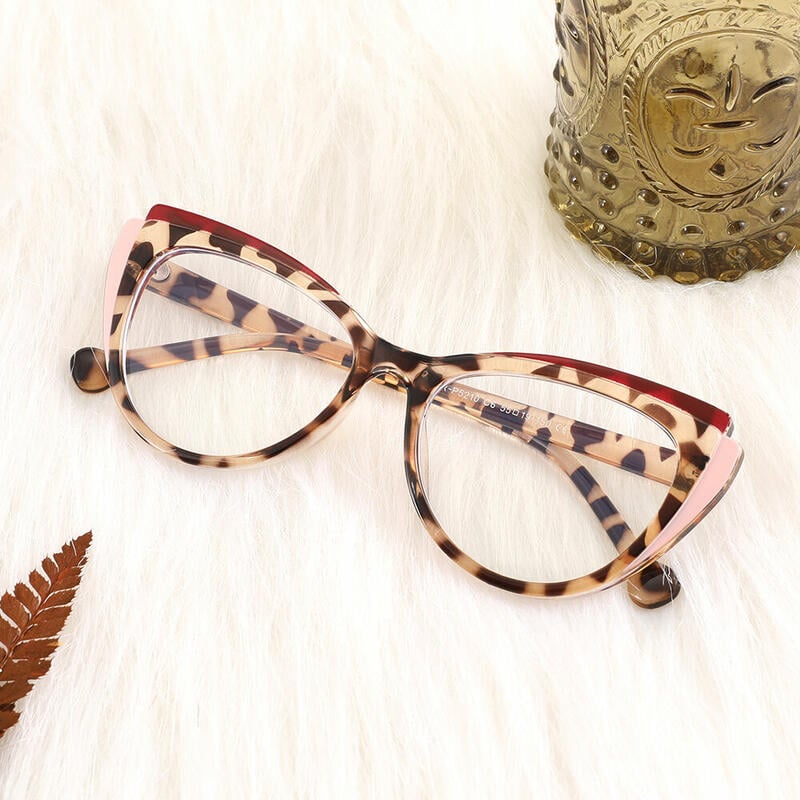
Dial three: the translucency. Hold a tortoise frame to the light and watch how much passes through. Denser, more opaque acetate looks rich and substantial. More translucent acetate (sometimes sold as "blonde" or "crystal tortoise") looks lighter, more modern, and lets a hint of your skin tone show through the temple arms, which softens the whole frame. Translucent honey tortoise on warm skin is one of the most flattering combinations in eyewear, and almost nobody asks for it by name because they don't know it's a thing.
Set those three dials and you've described any tortoise frame in the catalog more precisely than any shade label could. A "classic Havana" is just medium base, high contrast, medium opacity. "Dark tortoise" is deep base, low-to-medium contrast, high opacity. You don't need to memorize the names. You need to know which dials flatter you.
Why tortoise is the easiest color to wear — and the one thing that trips people up
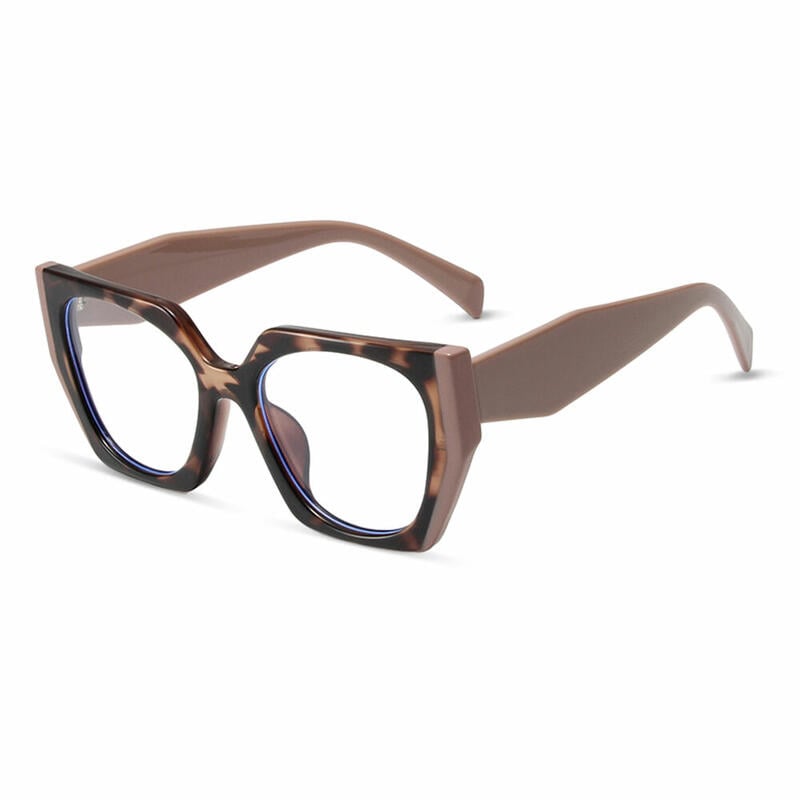
Back to the opening idea. Because a tortoise frame already contains browns, ambers, and a near-black, it has a built-in bridge to most of what people actually own: denim, camel, olive, cream, charcoal, oxblood, navy. You're not matching the frame to one color in your outfit — the frame is quietly echoing several at once. That's the real reason stylists keep calling tortoiseshell a neutral. It functions like one because it's chromatically plural.
This is also why tortoise tends to look more expensive than its price tag. A solid bright frame announces a single decision. A tortoise frame reads as depth, the way a tweed reads as more considered than a flat-woven fabric. It's doing more visual work, so it looks like more thought went into it.
The one place people get tripped up: trying to match tortoise to other tortoise. A tortoise frame and a tortoise watch and a tortoise hair clip do not "coordinate" the way three black items would — because each tortoise object has its own base tone and contrast, putting two near each other usually makes both look slightly off, like two almost-but-not-quite paint samples. The fix is simple. Treat your tortoise frame as the neutral anchor and let everything else around it be solid color. One tortoise piece per outfit, and let it be the glasses.

Shape matters less here than you'd think — but width changes everything
Plenty of guides will sort frames by face shape and hand you a grid. Tortoise specifically rewards a different question: how much frame is there to show the pattern on?
A pattern needs surface area to be legible. On a thin metal aviator or a wireframe round, tortoise only appears on slim temple arms and a brow bar, so it reads as a subtle warm accent — barely there, very easy to wear, good if you want the idea of tortoise without commitment. On a chunkier acetate frame — a bold square, a substantial round, a defined cat-eye — the pattern has room to breathe, and the marbling becomes a real feature of your face.
So the practical move is to let your tolerance for "noticeable" guide the build before you worry about shape. Want tortoise to whisper? Go thinner and lower-contrast. Want it to be your signature? Go wider, chunkier, higher-contrast acetate. Within that, the usual shape logic still applies — angular frames add definition to softer faces, rounder frames soften angular ones — but for tortoise, the width-and-density decision is the one that actually changes how the frame lands.
Buying tortoise online: the two things to actually check
Because tortoise is a pattern and not a color, two ordinary online-shopping assumptions break, and it's worth knowing before you click buy.
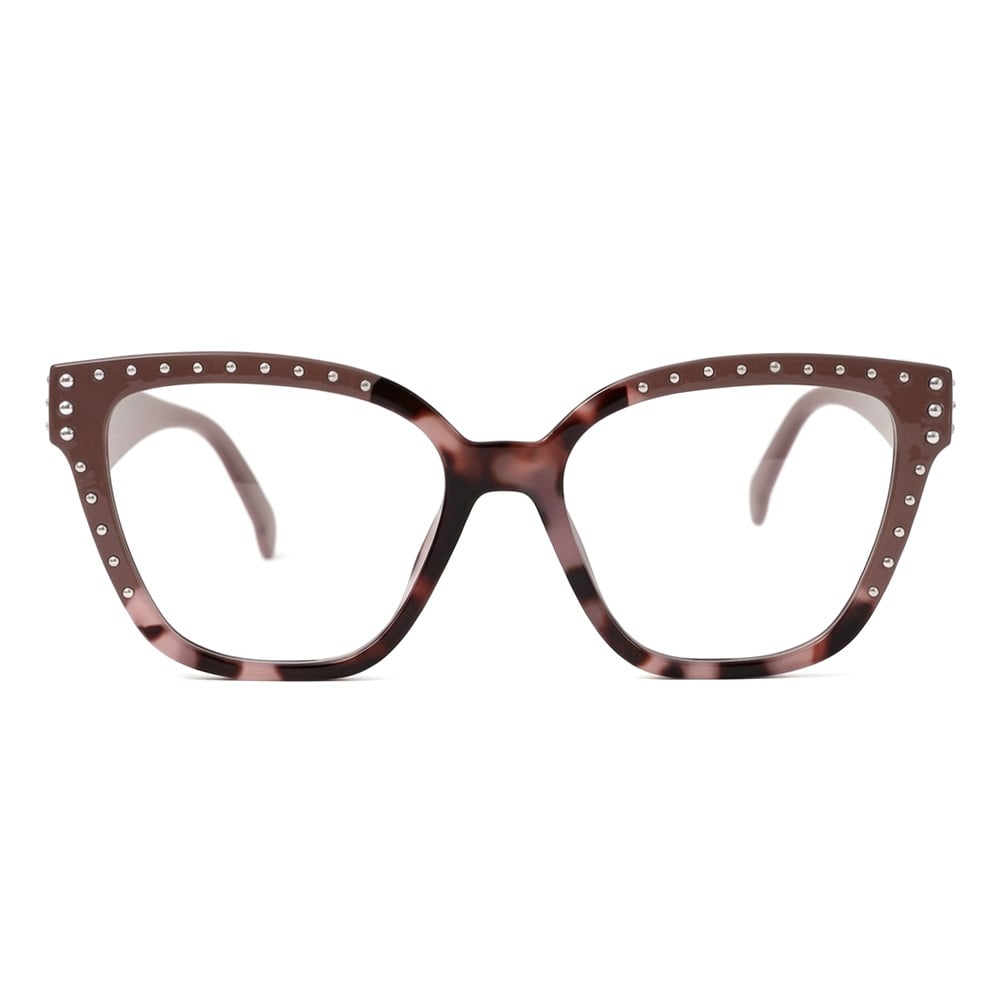
The photo is representative, not exact. As covered above, your frame is cut from a unique slice of acetate. Expect the character of the pattern to match the listing — same base tone, similar contrast — while the precise placement of flecks differs. If you get a frame whose overall tone matches what you ordered, that's the correct outcome, not a mismatch.
Screens lie about warm tones specifically. Honey, amber, and caramel are exactly the colors phone and laptop displays render least reliably; warm browns shift toward orange or muddy gray depending on the screen's white balance. The safest read is the listing's named base tone plus our try-on tool, which shows the frame against your own coloring rather than a studio backdrop. If you're between a honey and a darker tortoise, our virtual try-on will tell you more than zooming into the product photo ever will.
One more reassurance, since it's the question we get most: every prescription that comes through is checked by a licensed optician before the lenses are cut. If a frame-and-prescription combination looks like it'll cause trouble — a strong correction in a frame too large for it, for example — we flag it before it ships rather than letting you discover it at home.

A quick word on keeping it looking good
Acetate is forgiving, but translucency is honest — a scratch or a film of skin oil shows up more on tortoise than on opaque black, because light is meant to travel through the material. Wipe the frame (not just the lenses) with a soft cloth now and then, keep it out of hot cars where acetate can soften and warp, and the marbling will stay crisp for years. Tortoise is one of the few finishes that genuinely ages well; like good leather, a well-kept acetate frame develops character rather than just wearing out.
Tortoise glasses: a few honest answers
Is tortoiseshell real turtle shell?
No. It hasn't been legal to make eyewear from real shell since 1973. Every modern tortoise frame is cellulose acetate patterned to imitate the original look, with no animal product involved. If anything markets itself as "genuine shell," walk away — it's both illegal and tied to an endangered species.
Why doesn't my frame look exactly like the website photo?
Because tortoise acetate is made by fusing scattered color chips into a block and slicing it, so every frame is cut from a one-of-a-kind section of the pattern. The base tone and contrast will match the listing; the exact swirl is unique to your pair. That uniqueness is the point, not a flaw.
Honey tortoise or dark tortoise — which should I get?
Think about what you need the frame to do. Honey and amber read soft, warm, and casual and flatter warm or neutral skin beautifully. Dark (espresso) tortoise behaves almost like black from a distance, so it leans more formal and works as an all-purpose professional frame. If you only buy one, dark tortoise is the safer everyday pick; if you want warmth and personality, go honey.
Do tortoise glasses work for men?
Very much so — tortoise has been a staple men's frame for a century, across everything from heavy browline shapes to slim metal styles. For a more understated men's look, lean toward lower-contrast, darker base tones in a square or rectangular build. For more character, a high-contrast Havana in a round or browline frame is a classic.
Will tortoise clash with my hair color?
Rarely, and this is one of its quiet advantages. Because the pattern contains a range of warm-to-dark tones, it finds something to echo against most hair colors. The only pairing to watch: very light or platinum hair with a low-contrast honey frame can blur together, so bump up the contrast or go a shade deeper if you want the glasses to register as a distinct feature.
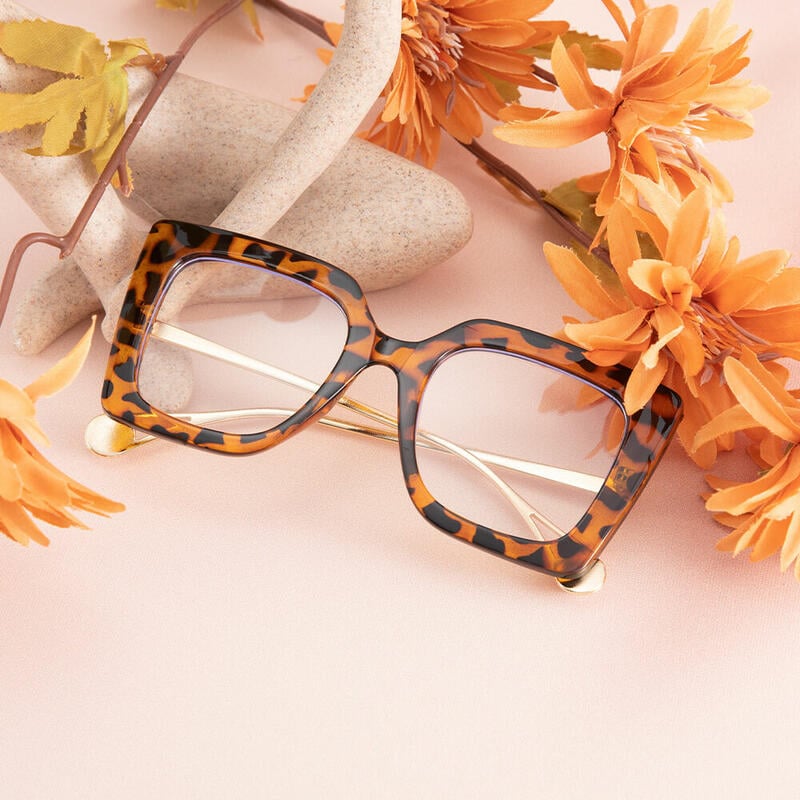
Browse the full range of tortoise glasses at Aoolia — square, round, cat-eye, aviator, and browline shapes in honey, amber, espresso, and translucent tortoise, with free virtual try-on. Not sure which base tone suits you? Open a ticket with a clear photo and a note on your usual wardrobe colors, and a member of our optical team — a real person — will point you to two or three frames to start with.