









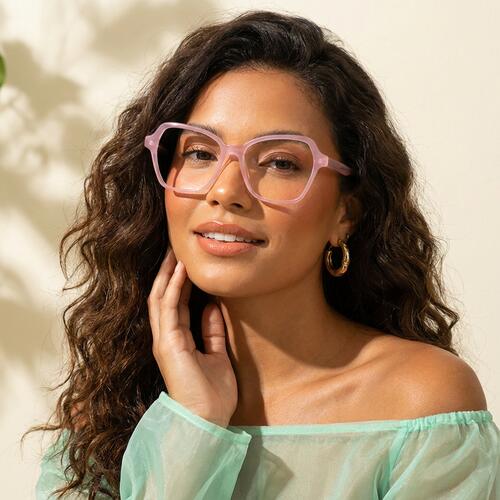
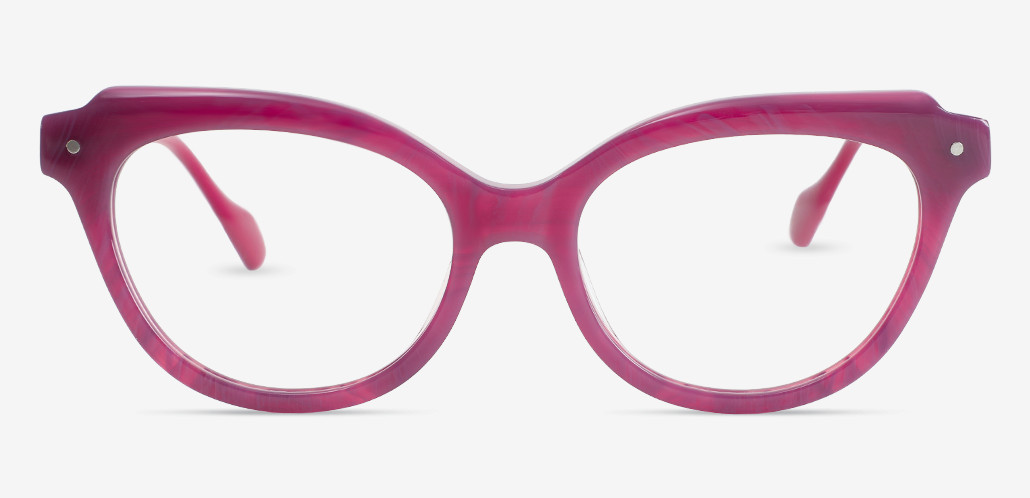
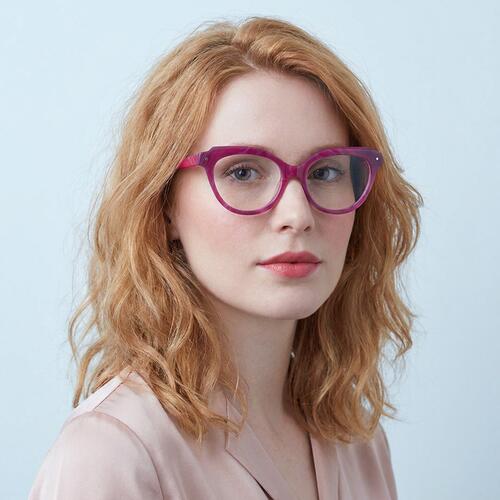
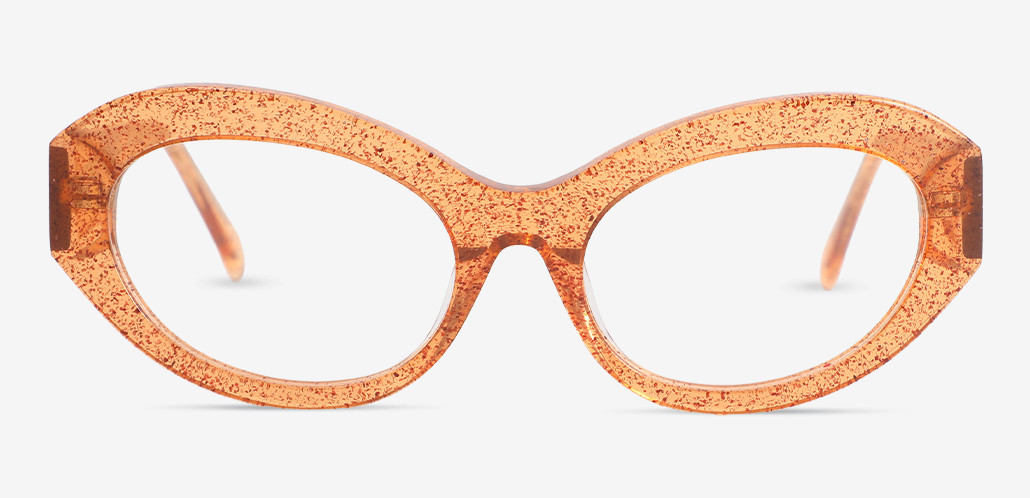
Next Page
Glasses for Square Face
Glasses For Square Face: Questions People Actually Ask
What glasses look best on a square face?
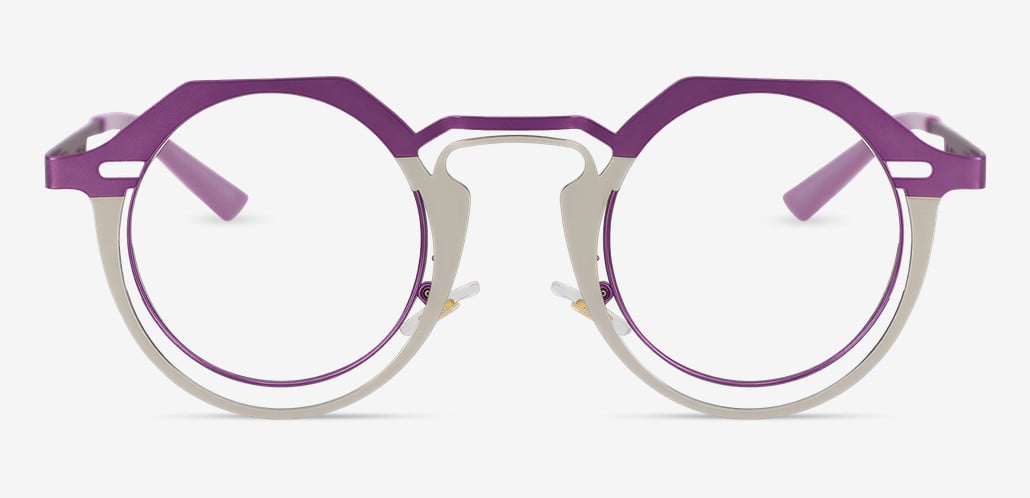
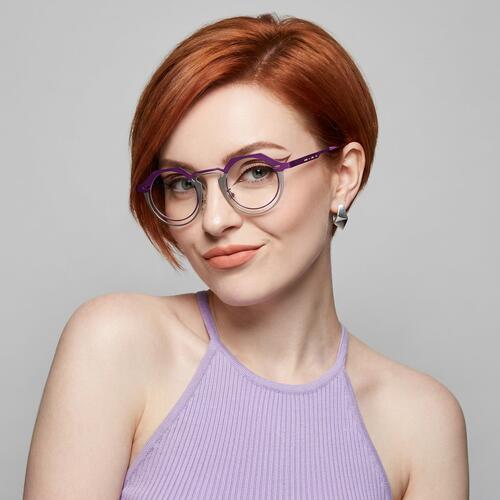
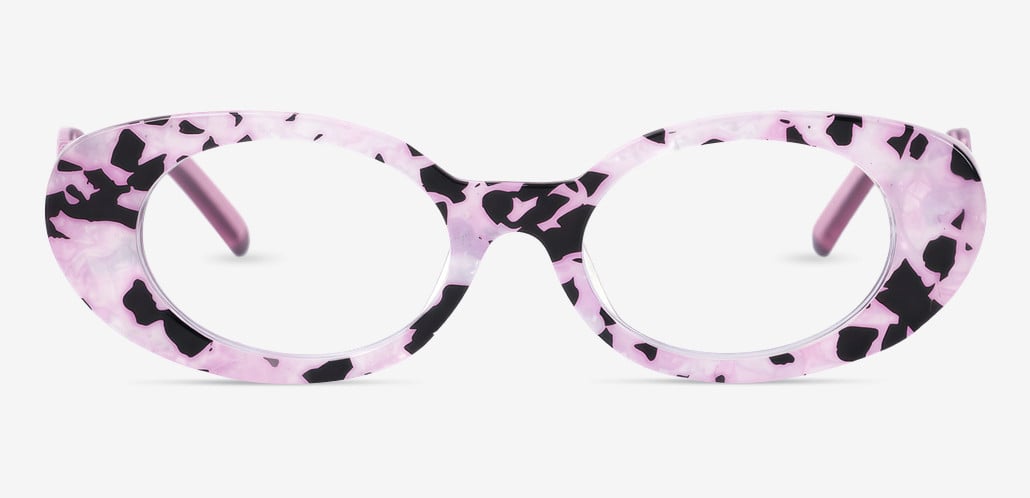
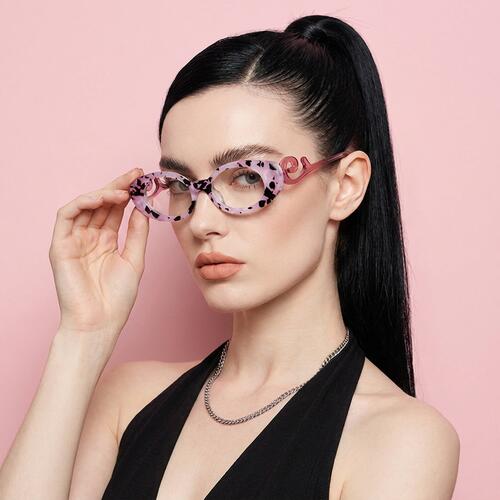
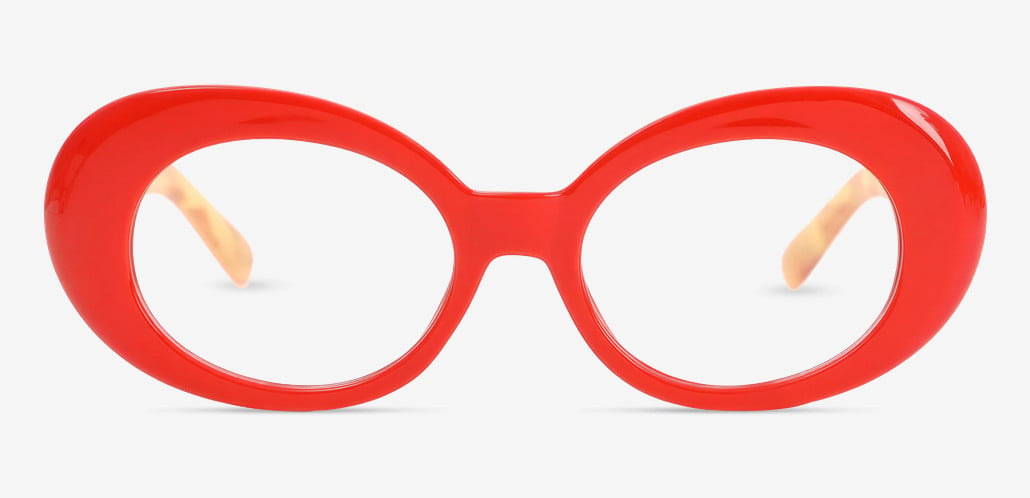
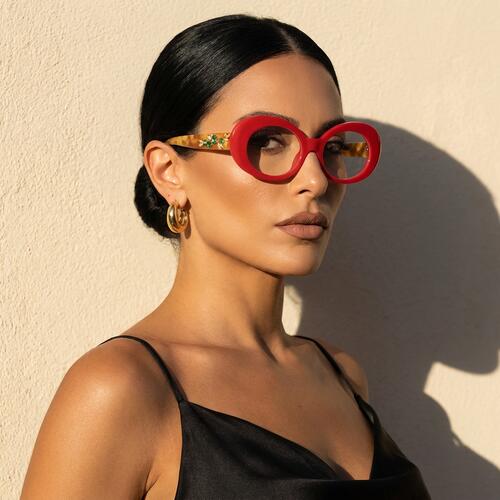
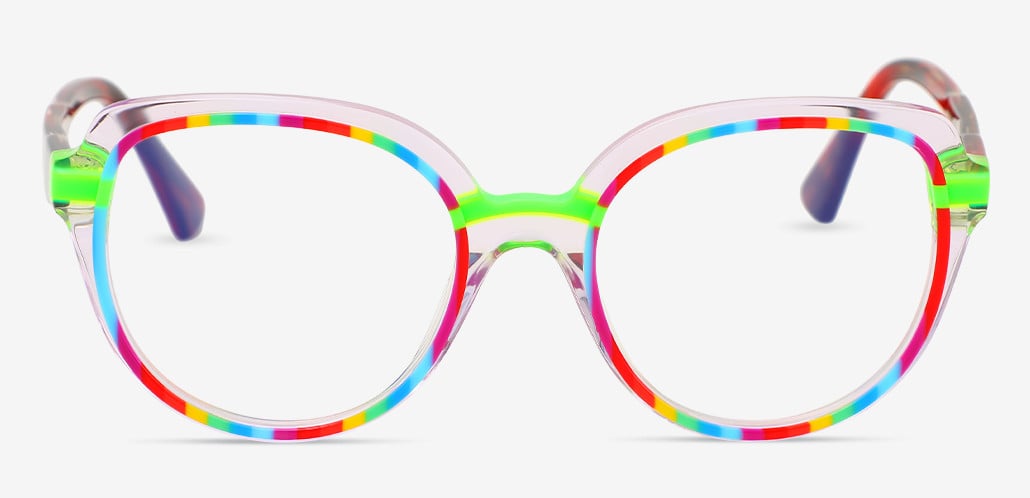
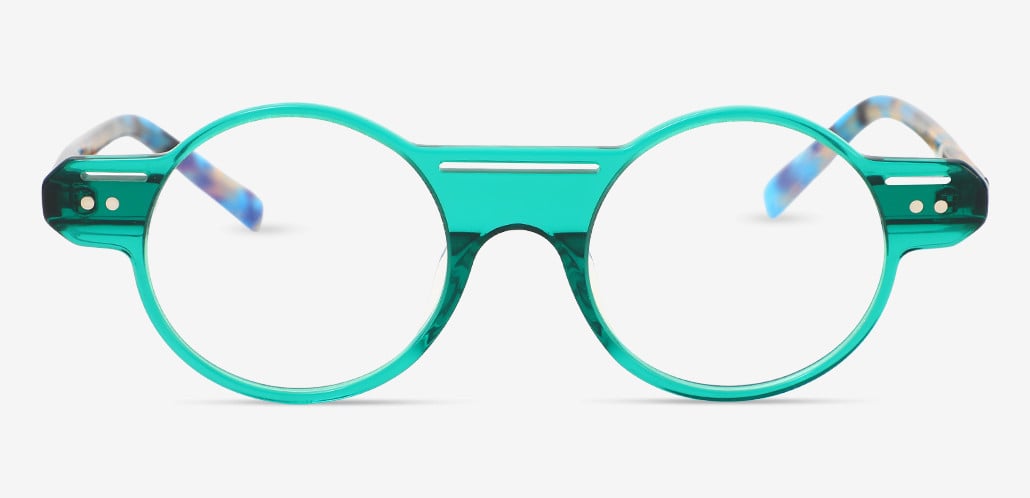
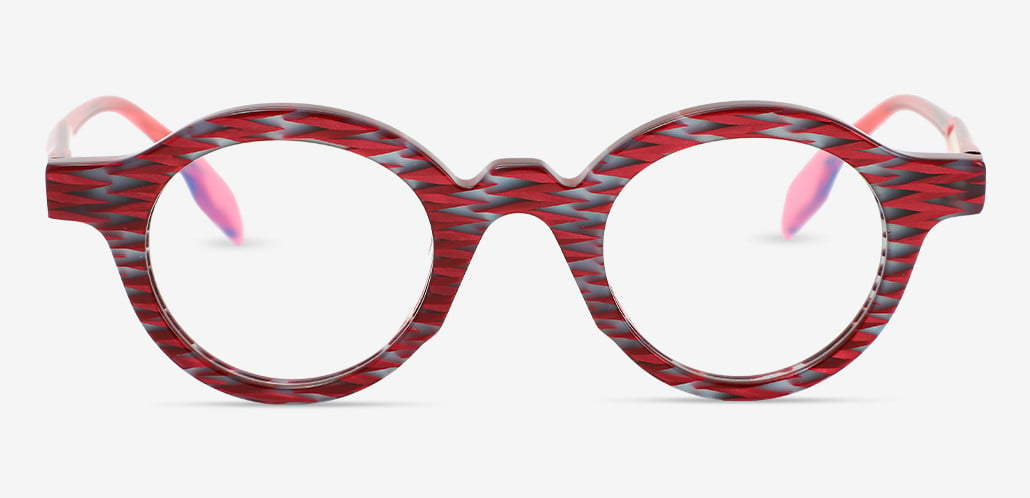
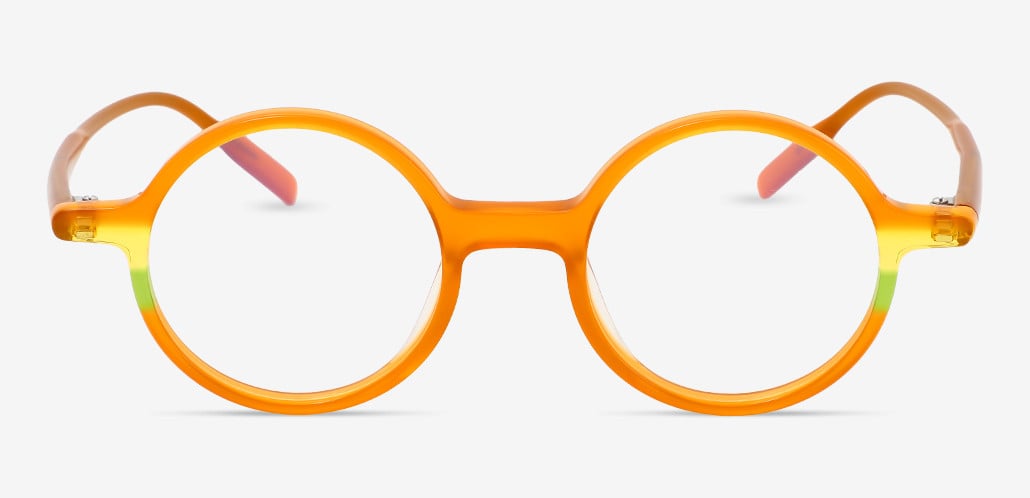
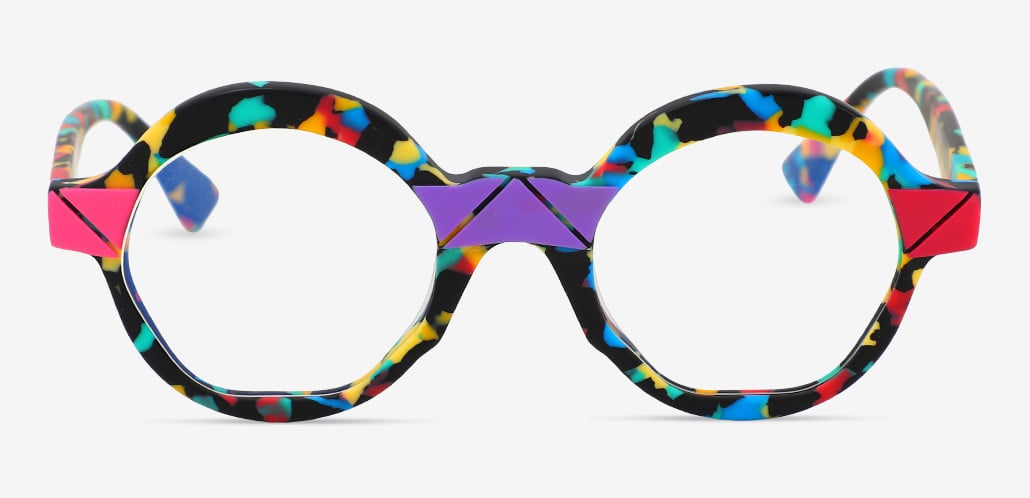
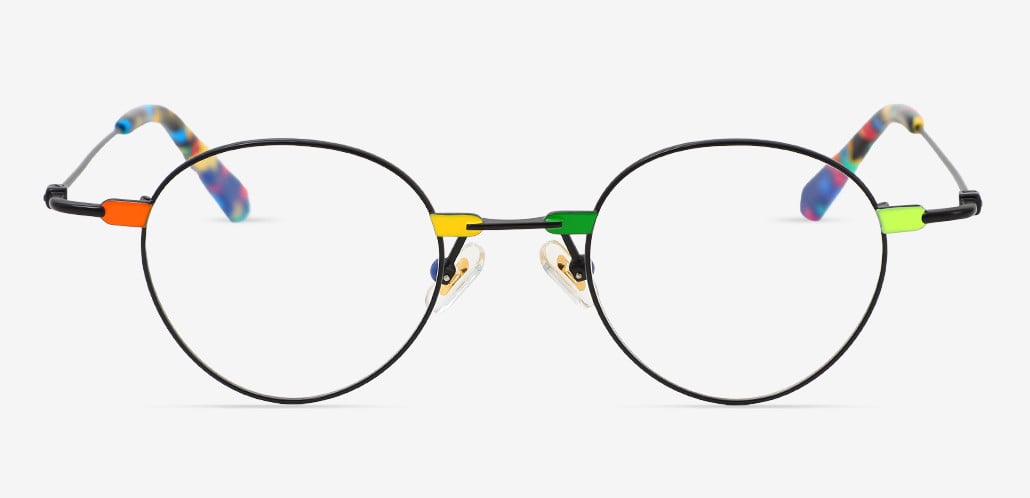
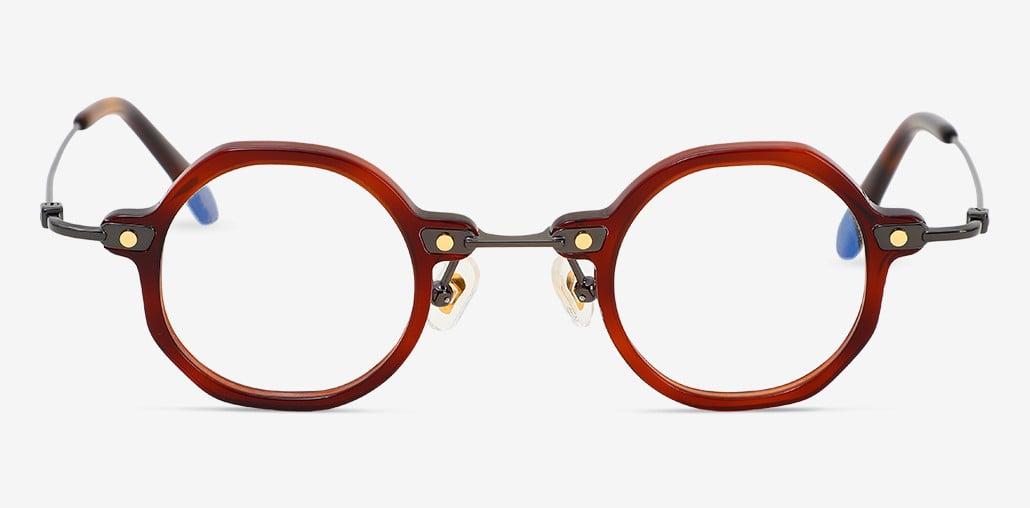
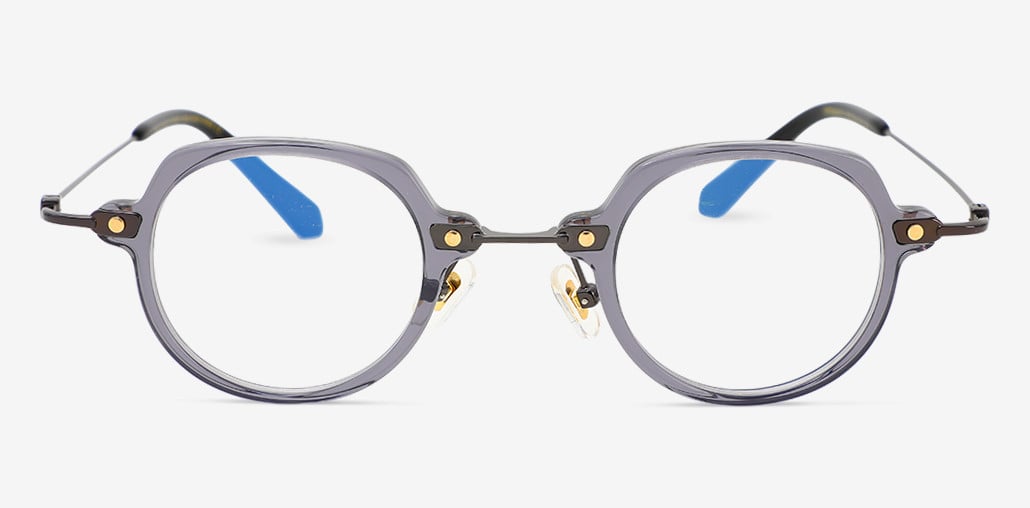
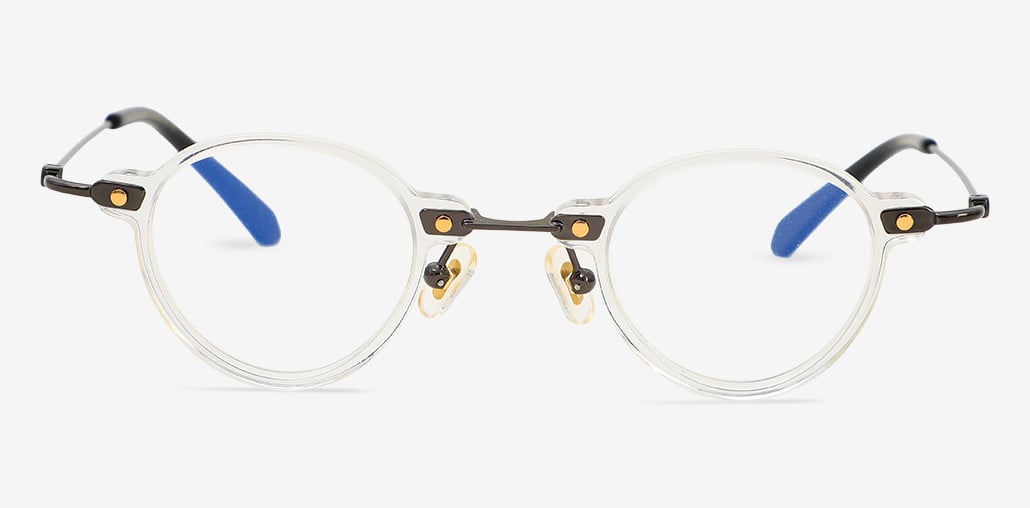
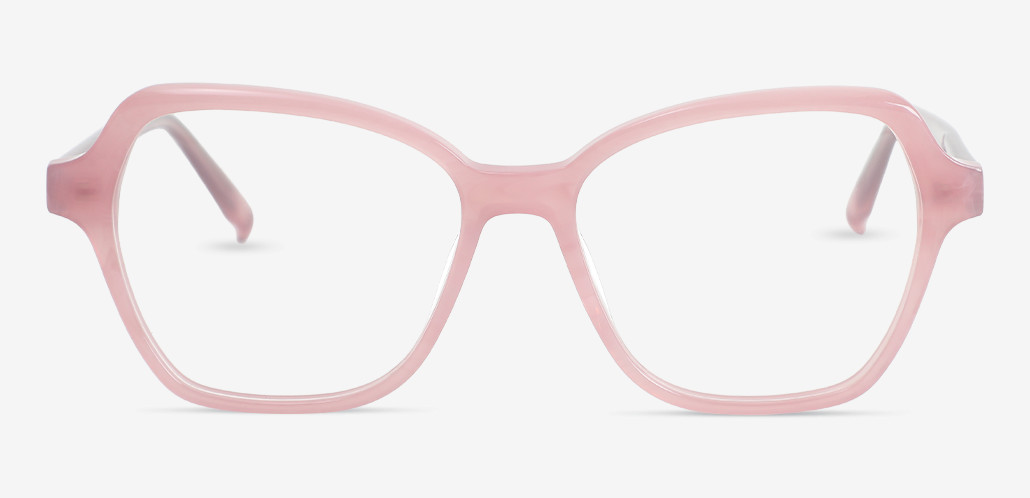
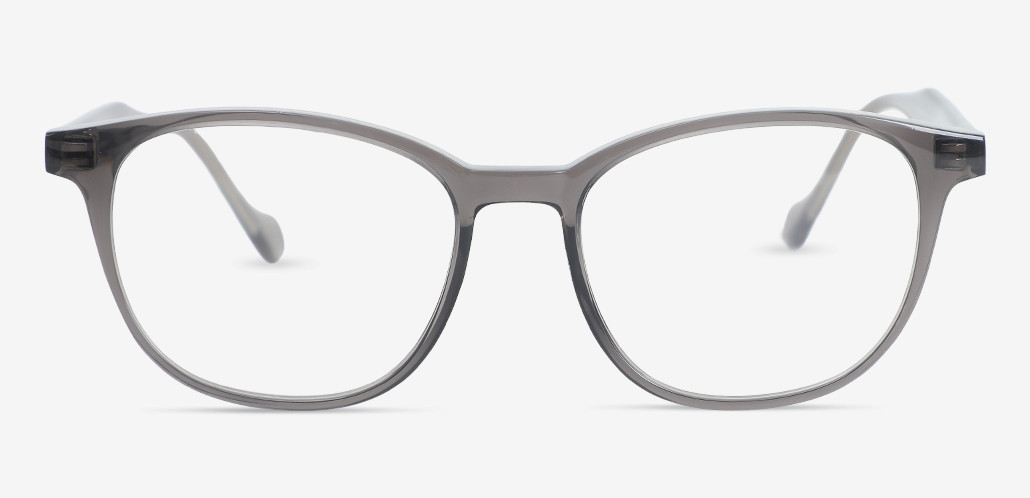
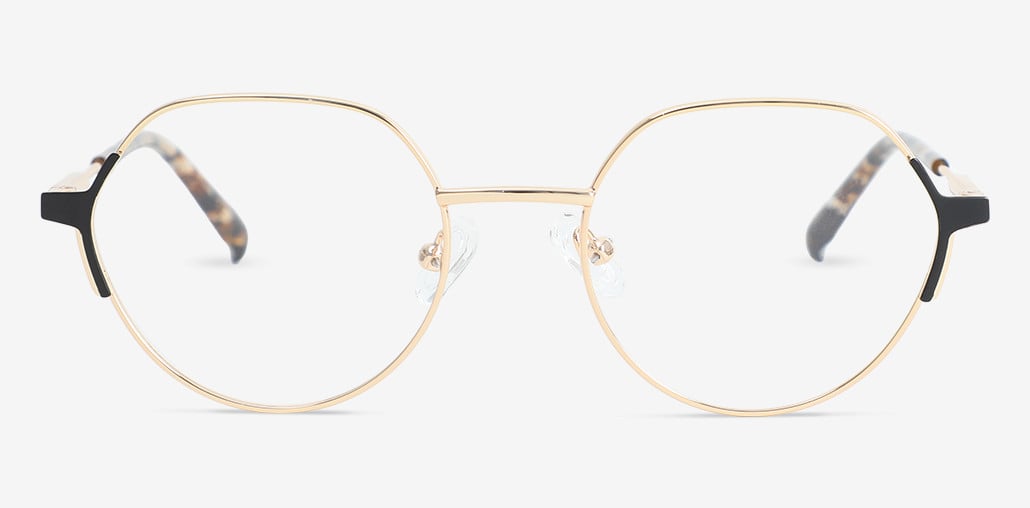
Curved shapes give the strongest contrast against a strong jawline, so round and oval frames are the usual starting point. Cat-eye and browline frames are the middle ground, softening the lower half of the frame while keeping some structure up top. There is no single best answer, which is why this collection is grouped by how much softening each frame gives rather than by a single rule.
Can someone with a square face wear square glasses?
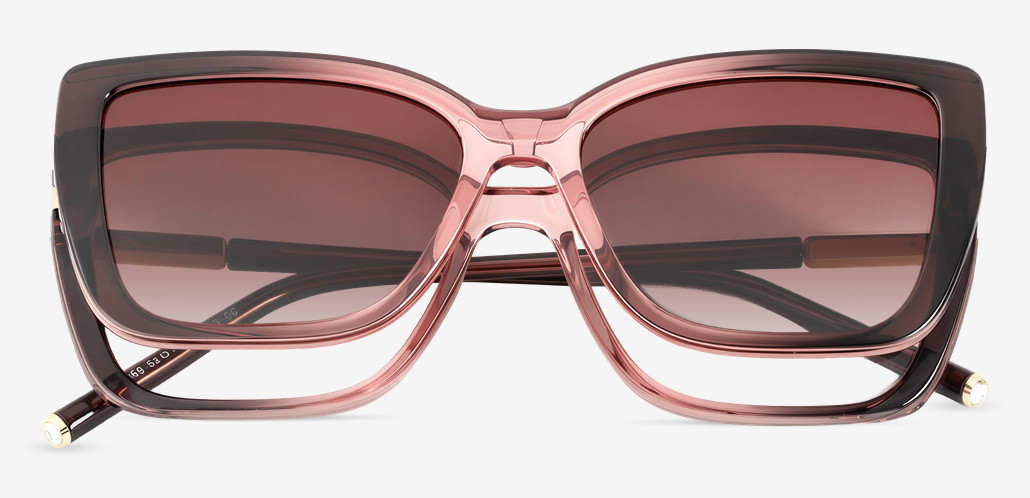
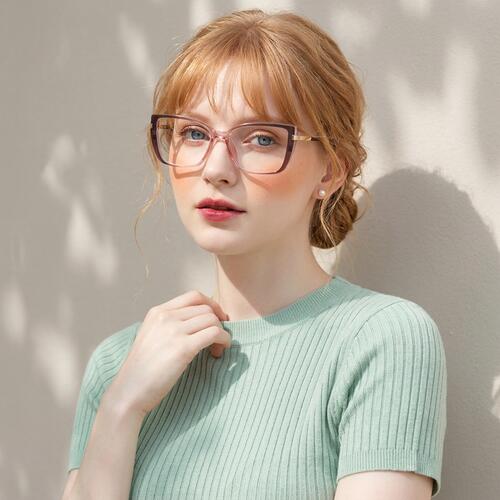
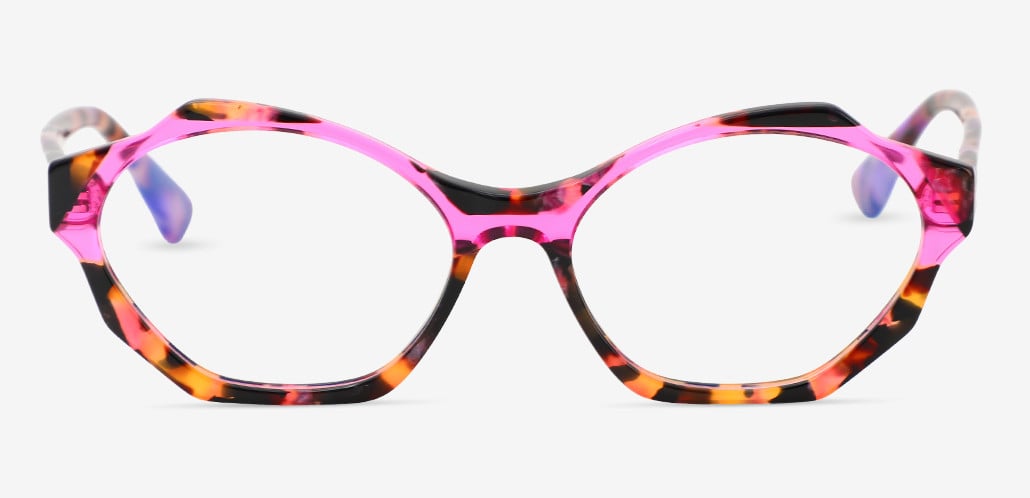
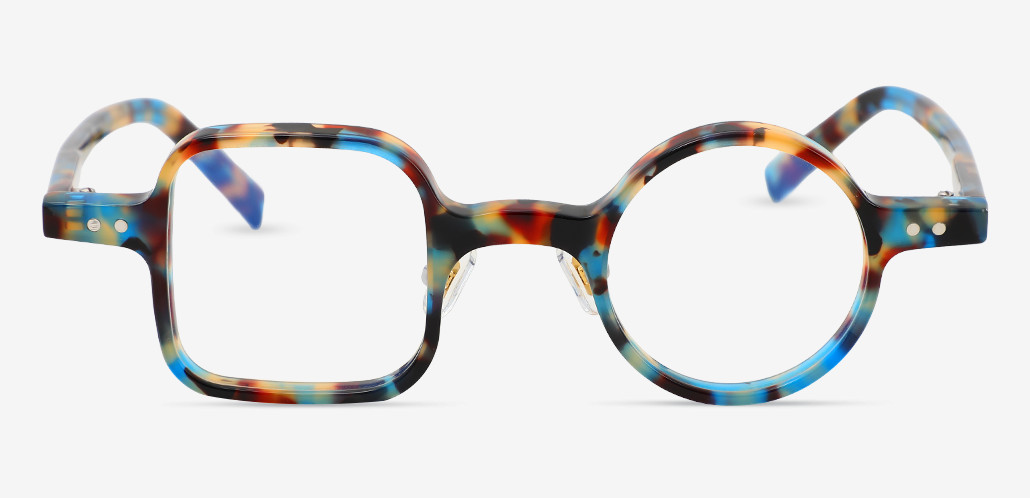
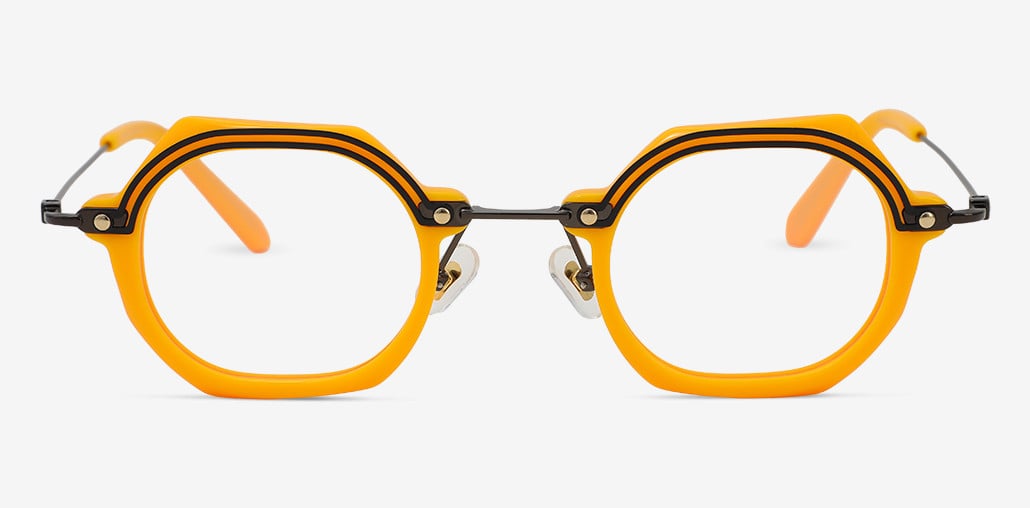
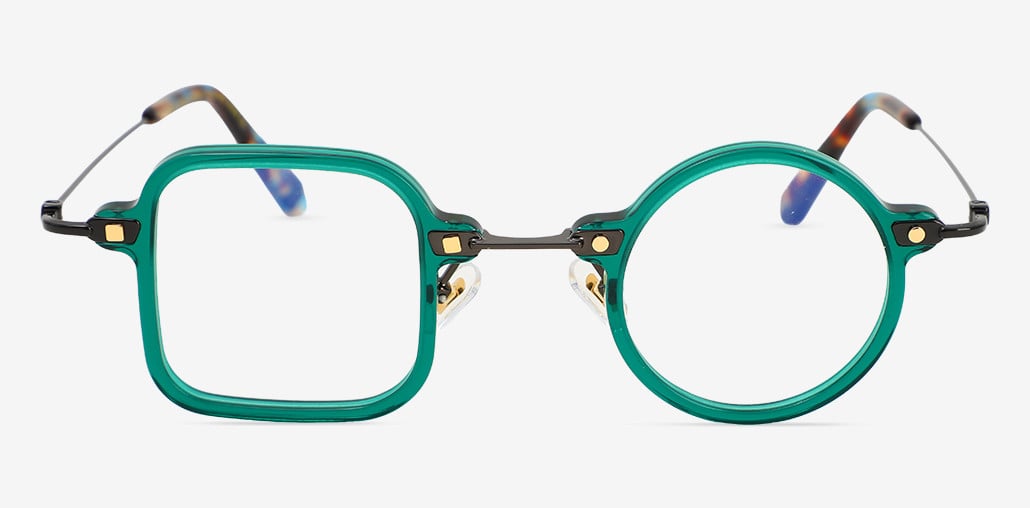
Yes, with two adjustments. Angular frames repeat the lines your face already has, so keep the rim thin and the colour light or translucent rather than heavy black, and look for softened corners instead of sharp ones. Worn as a deliberate graphic choice it works. Worn by accident, in thick dark plastic, it usually does not.
Are cat-eye glasses good for a square face?
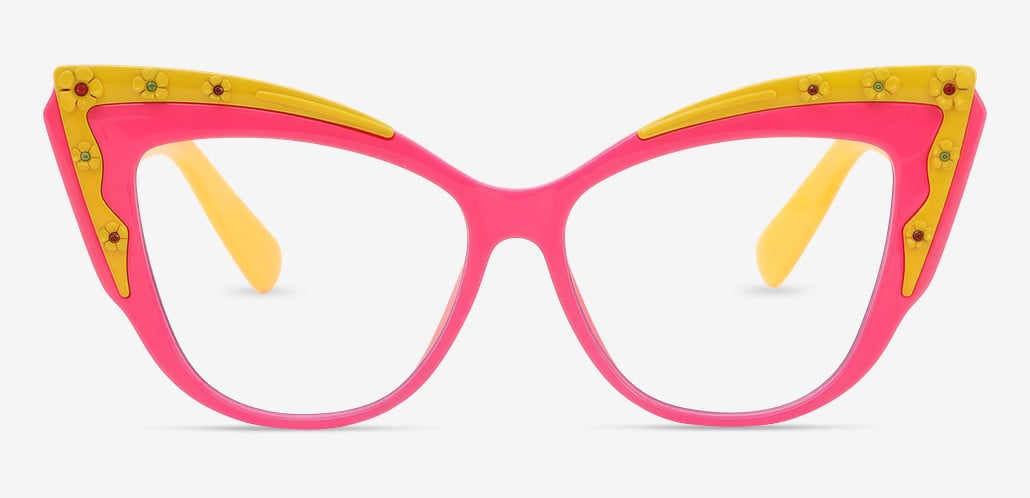
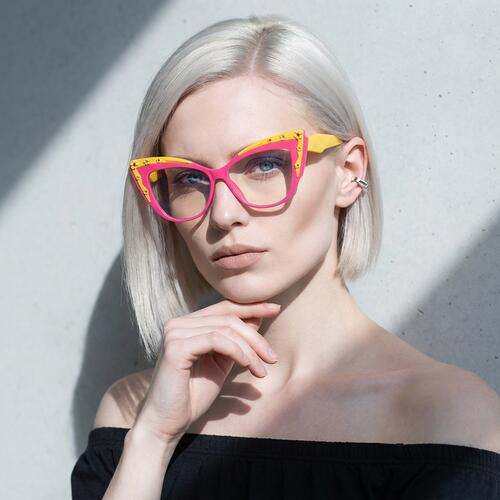
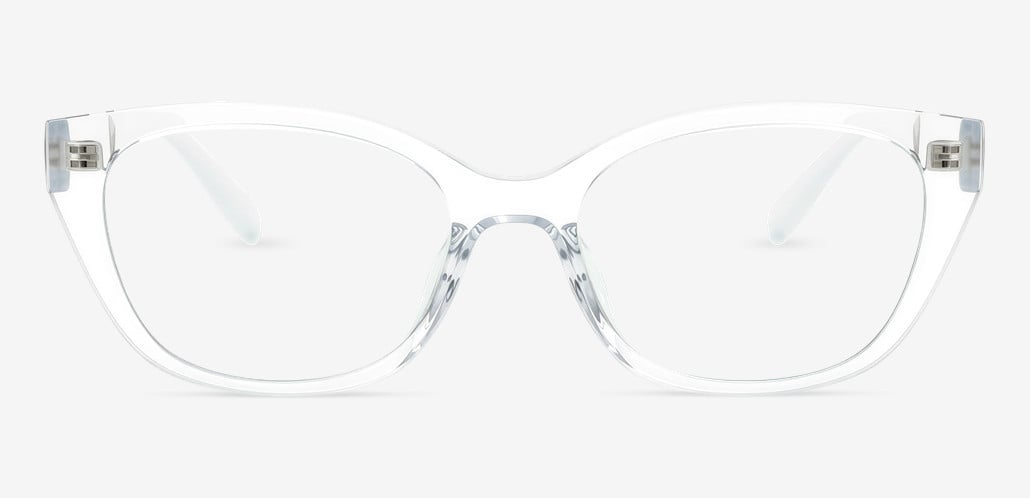
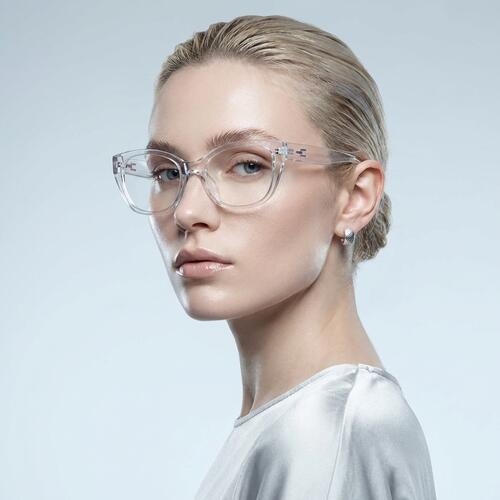
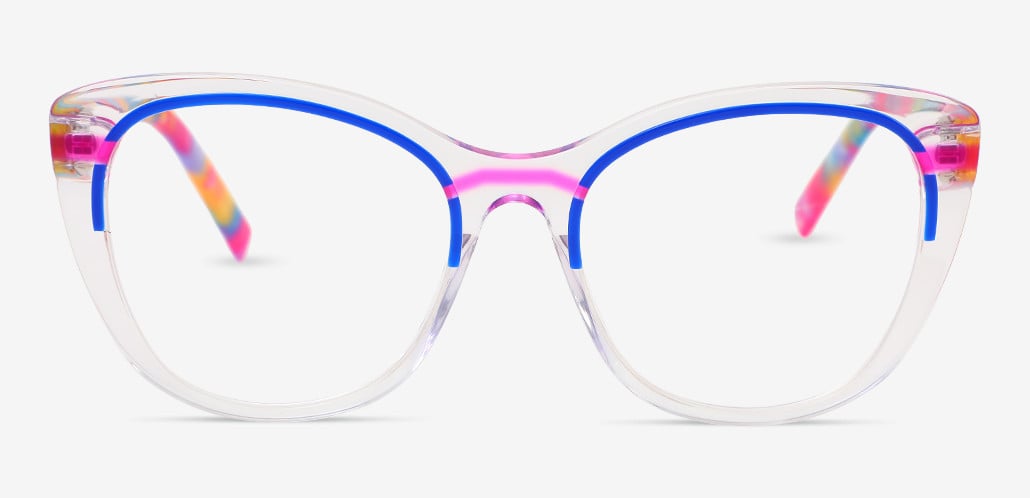
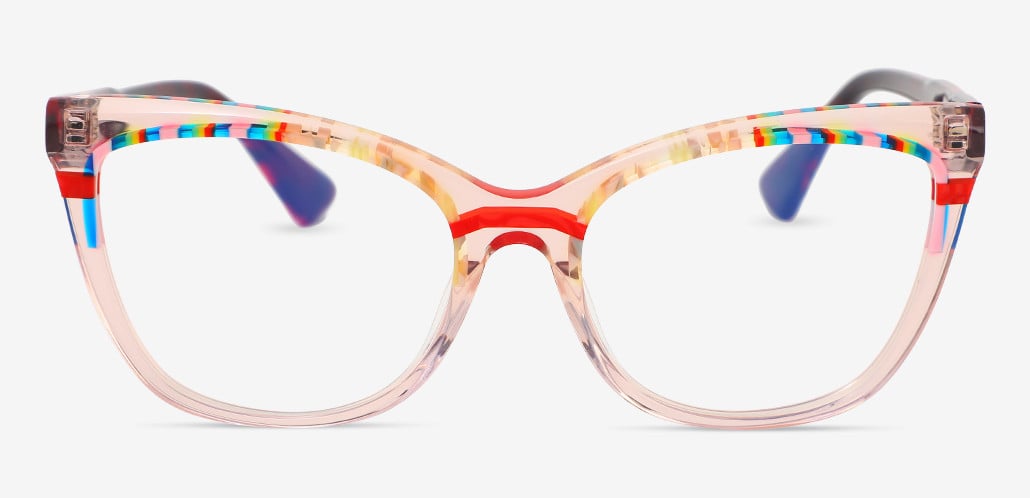
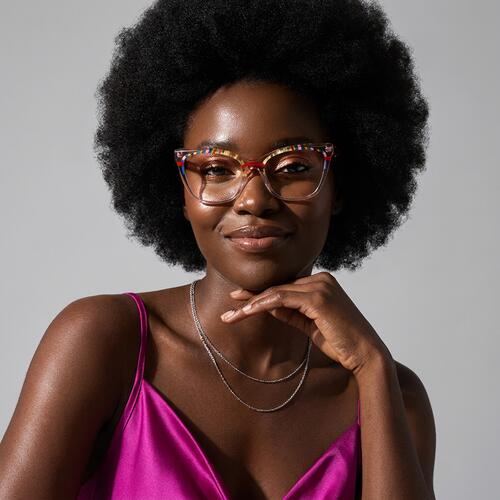
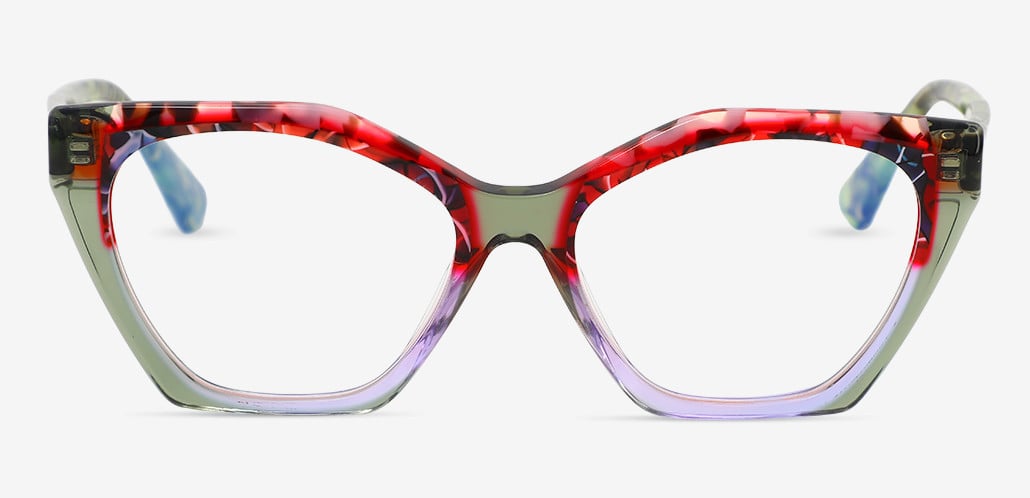
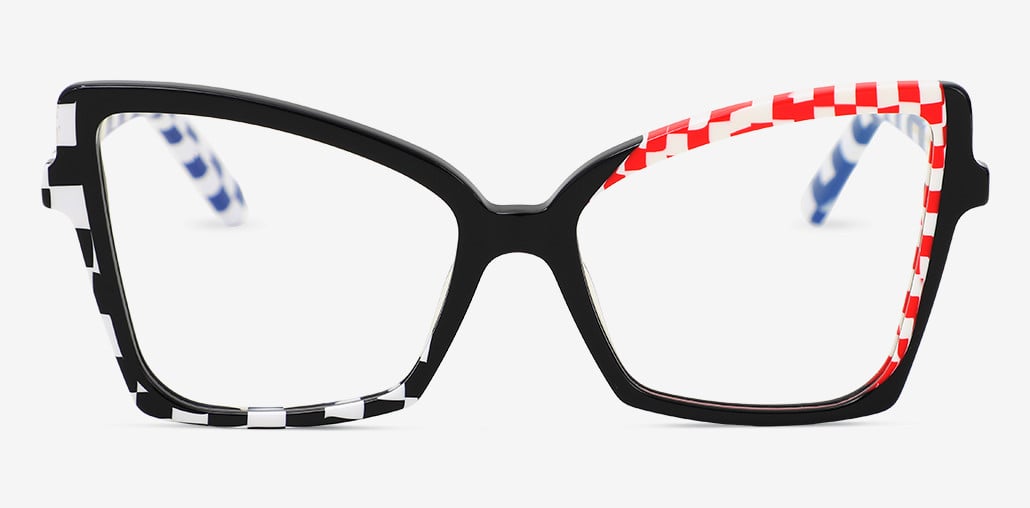
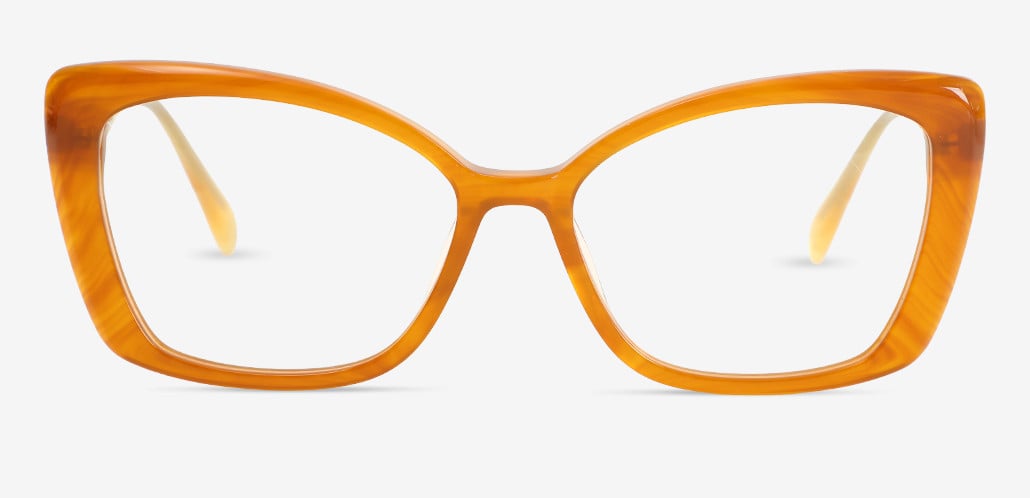
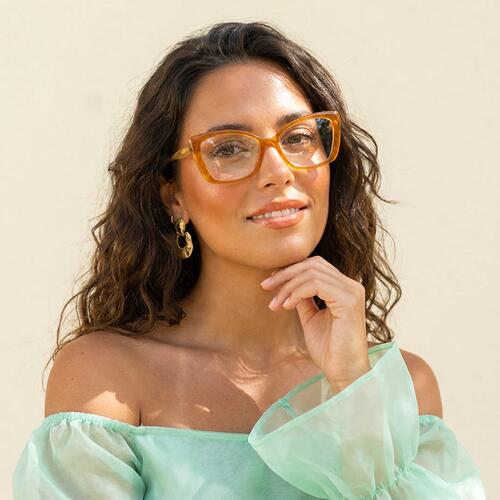
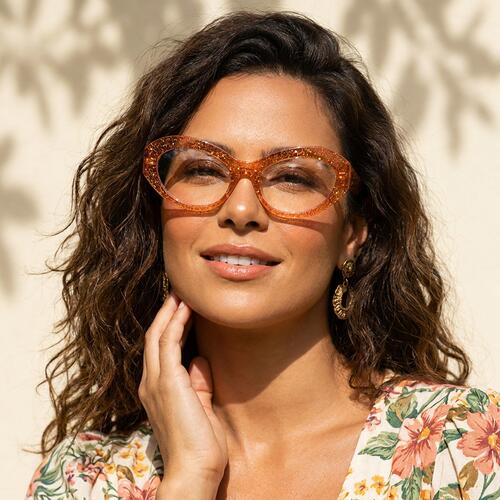
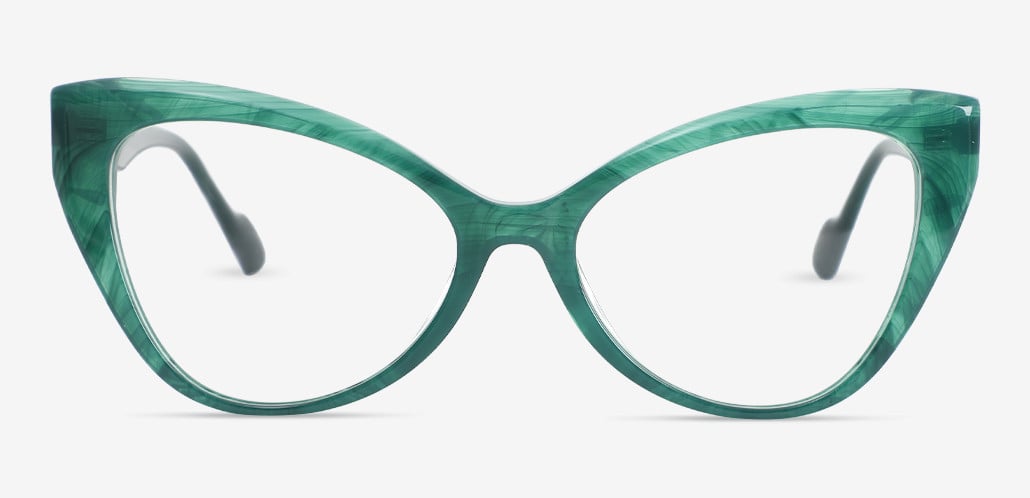
They are one of the better options. The upswept outer corner pulls the eye diagonally, away from the horizontal line of the jaw, and the curved bottom rim avoids echoing it. Keep the upsweep moderate; a very sharp cat-eye introduces a new hard angle of its own.
What is the difference between a square face and a rectangle face?
Both have a defined jaw corner. The difference is proportion: a square face is close to as wide as it is long, while a rectangle or oblong face is noticeably longer. The advice diverges on width, because a square face generally suits a frame as wide as the face, and a longer face usually does not want extra width added.
How wide should glasses be for a square face?
Close to the widest part of your face, or a fraction wider. A frame that stops short of your face makes the jaw read wider by comparison. Total frame width is listed on every product page, so the quickest method is to measure the pair you already wear and compare the number.