


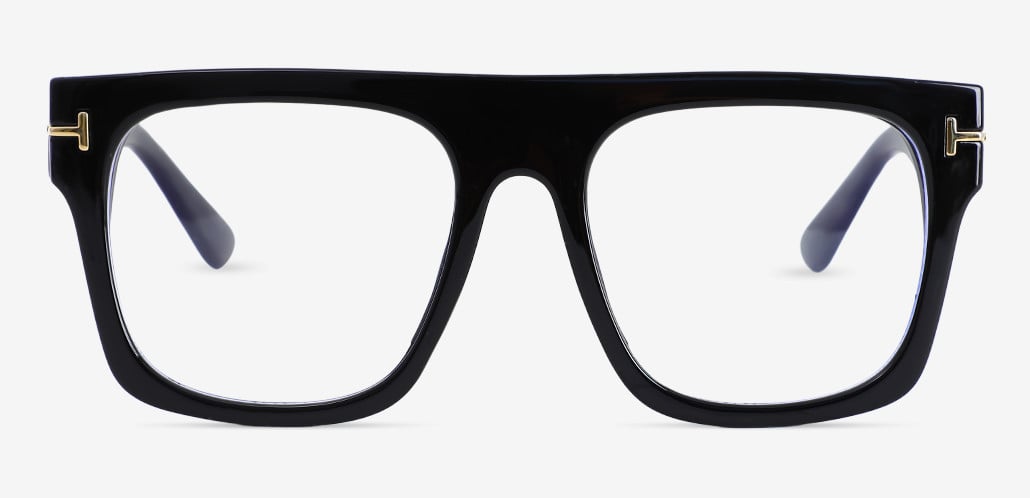

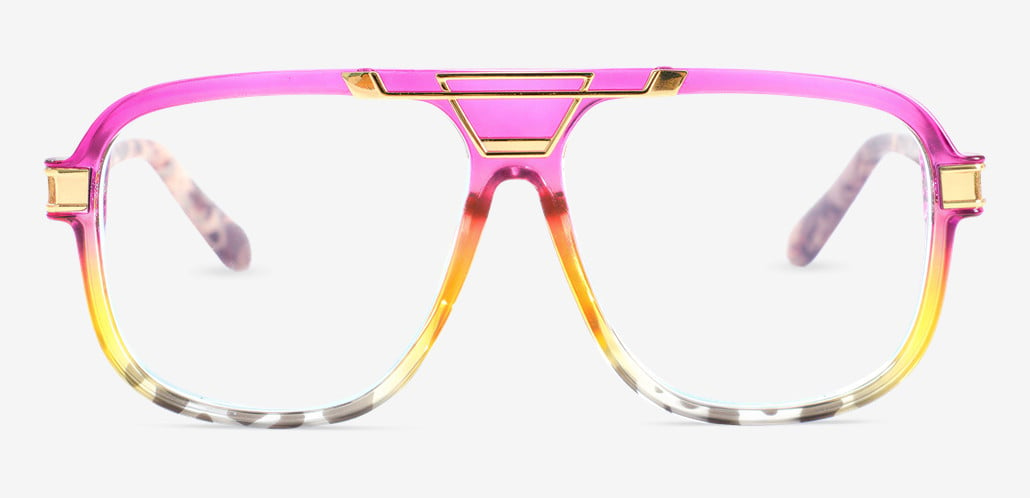

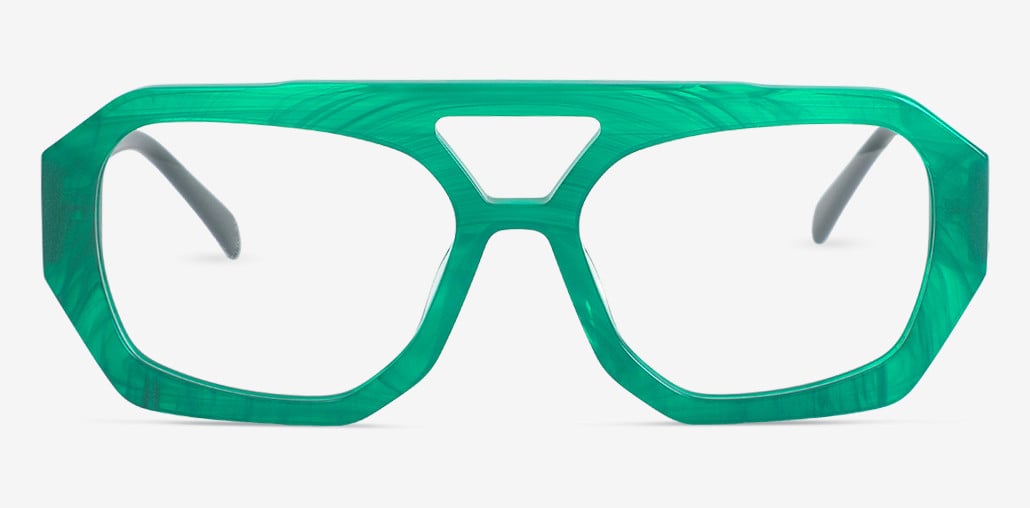

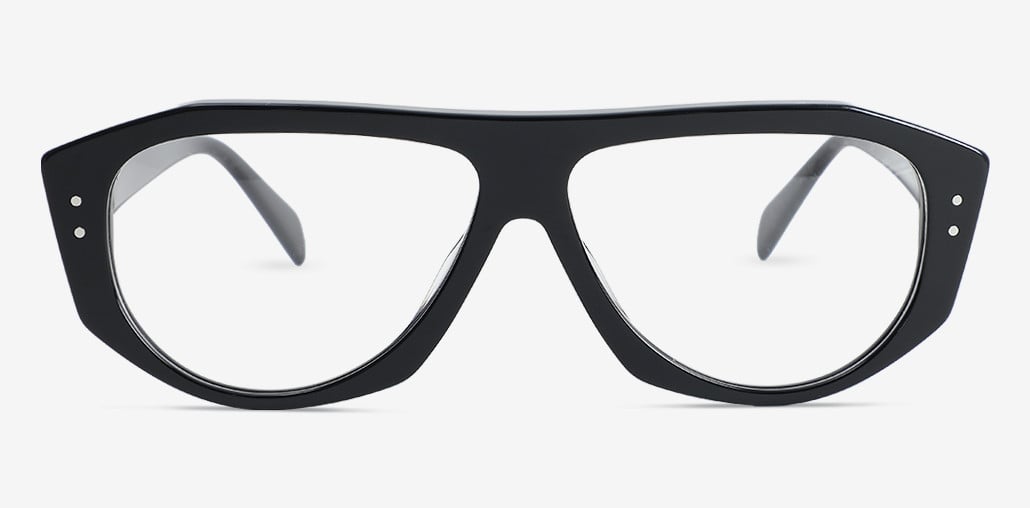





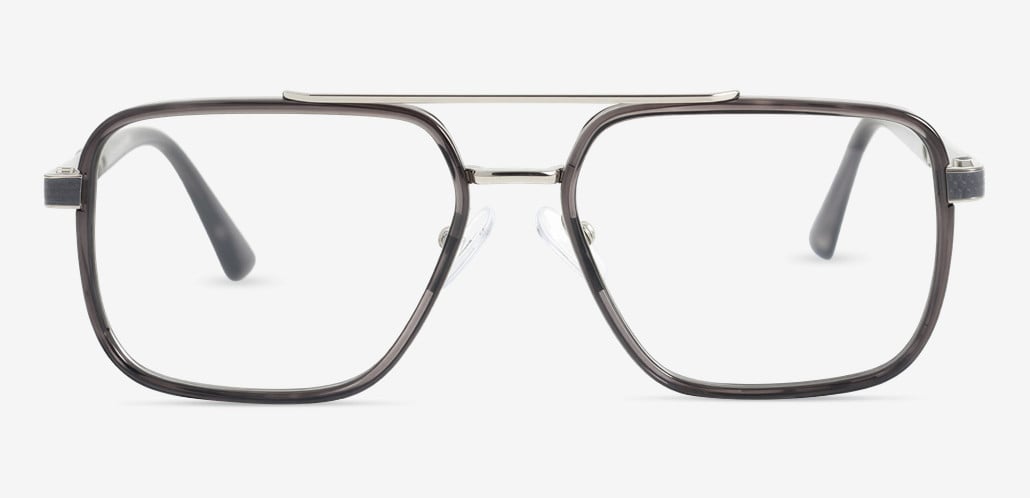

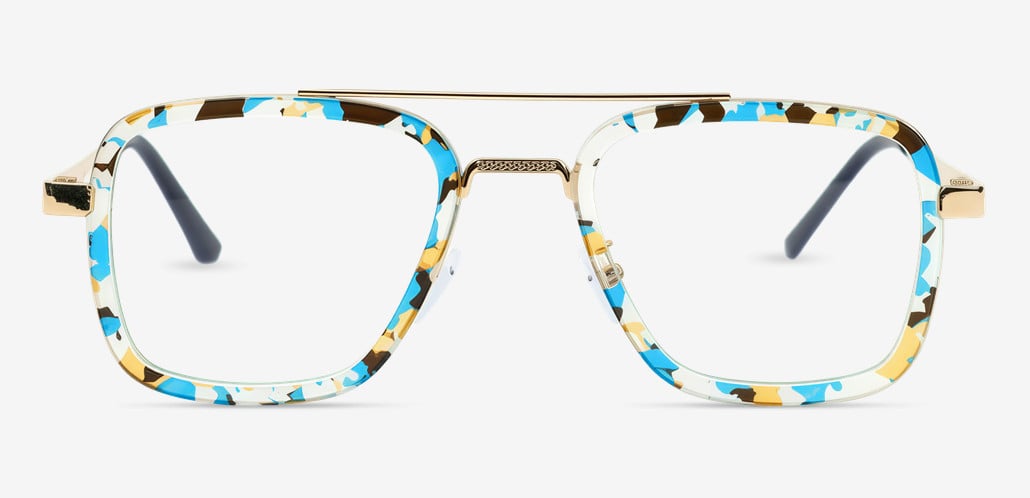
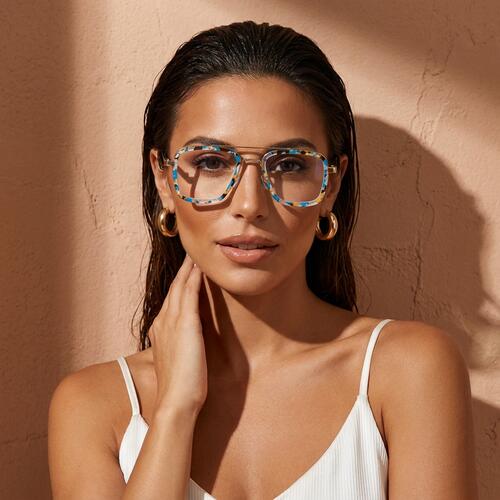
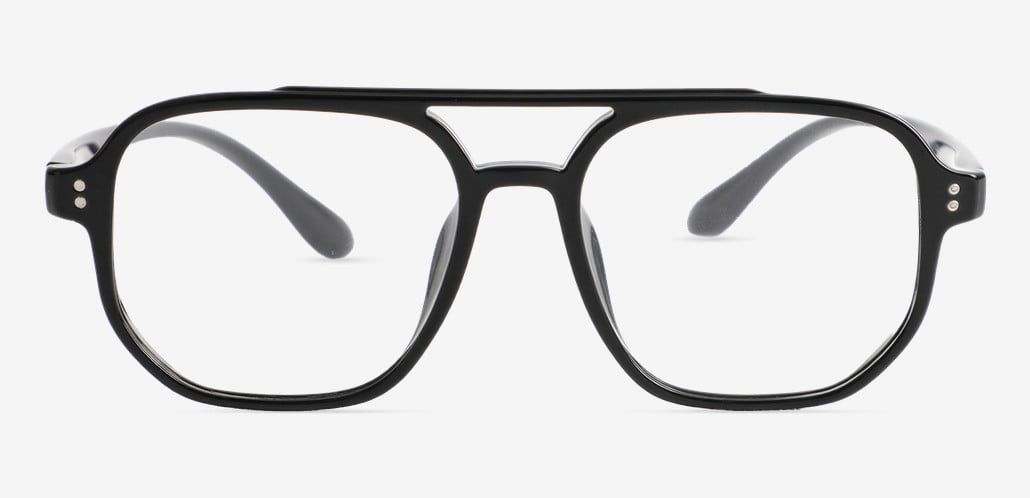




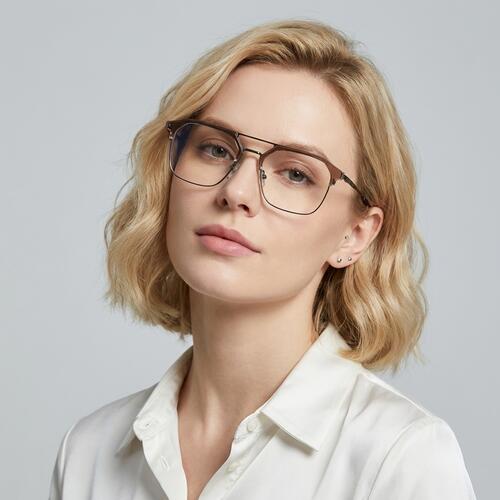
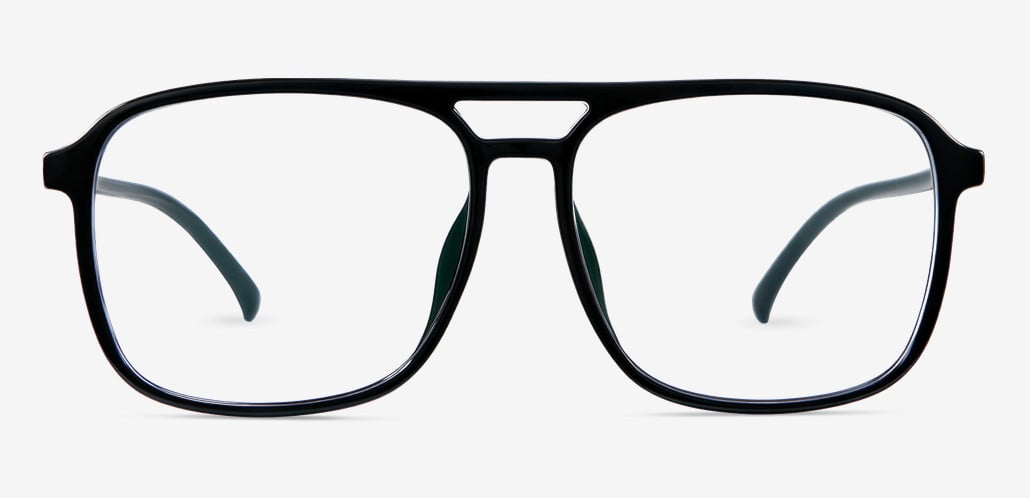

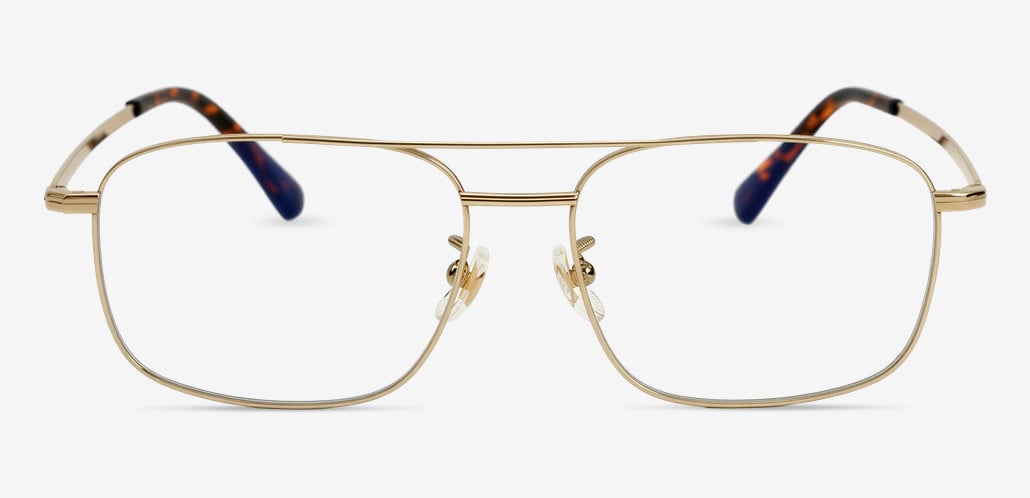

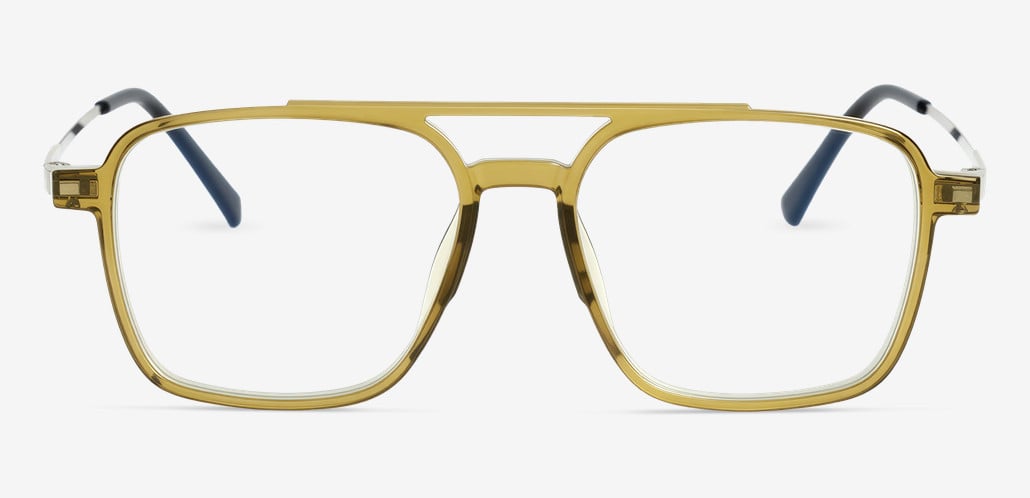






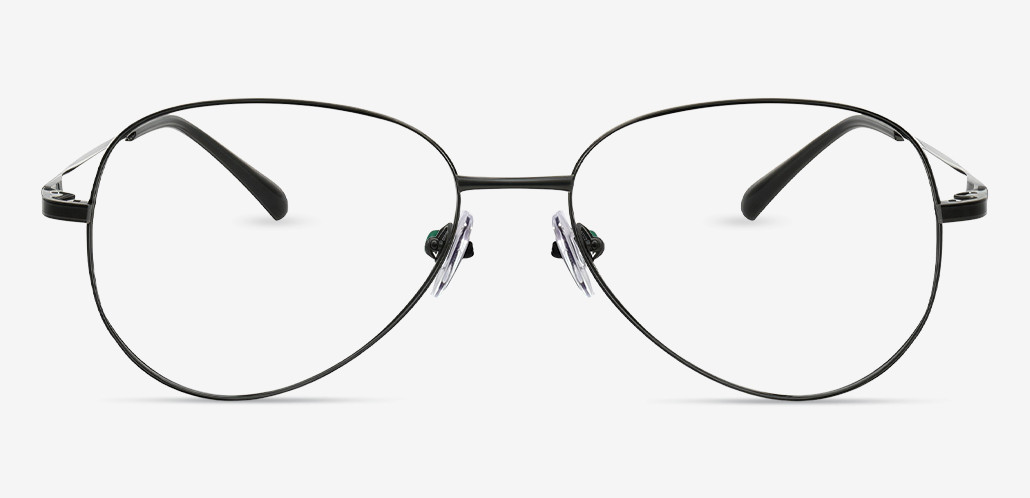

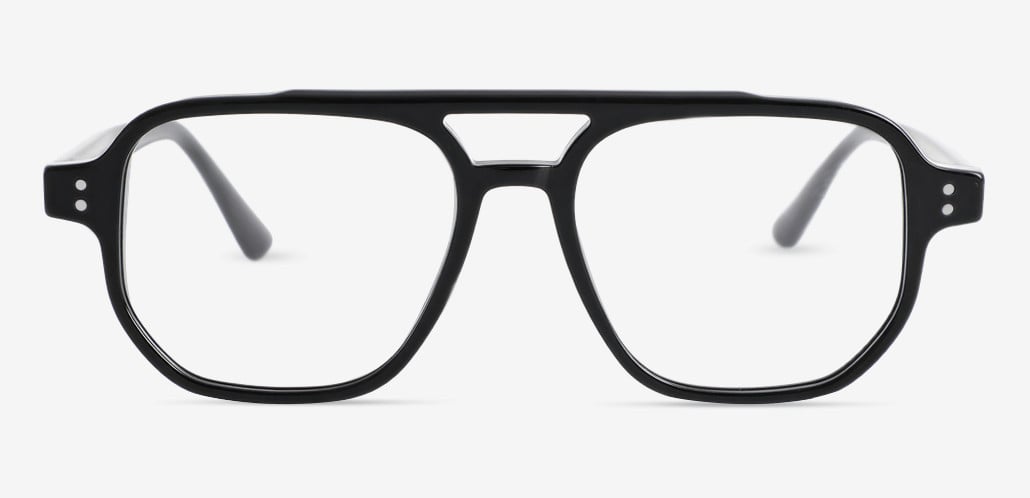

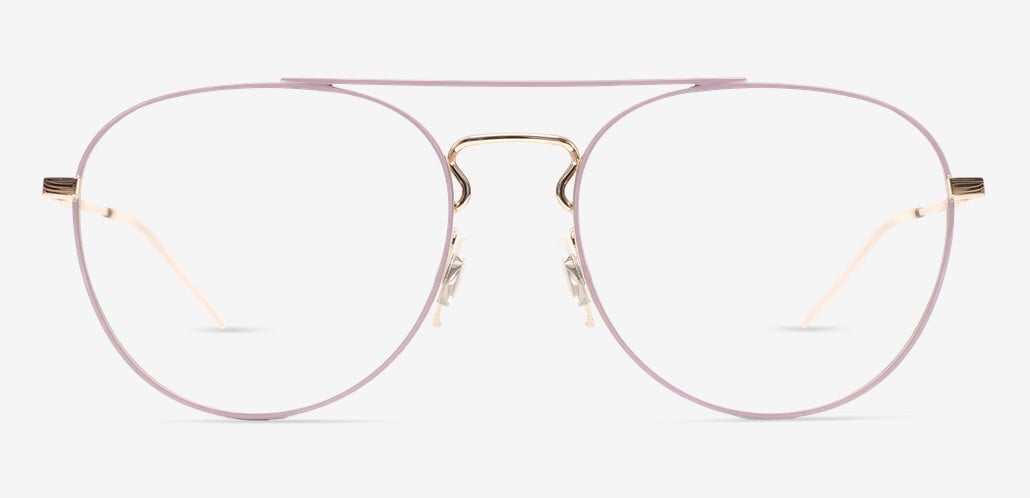

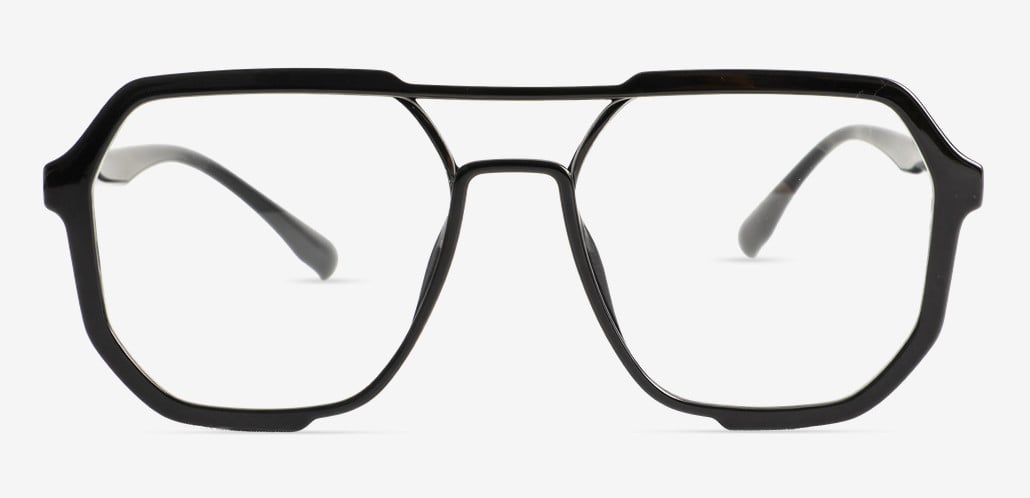







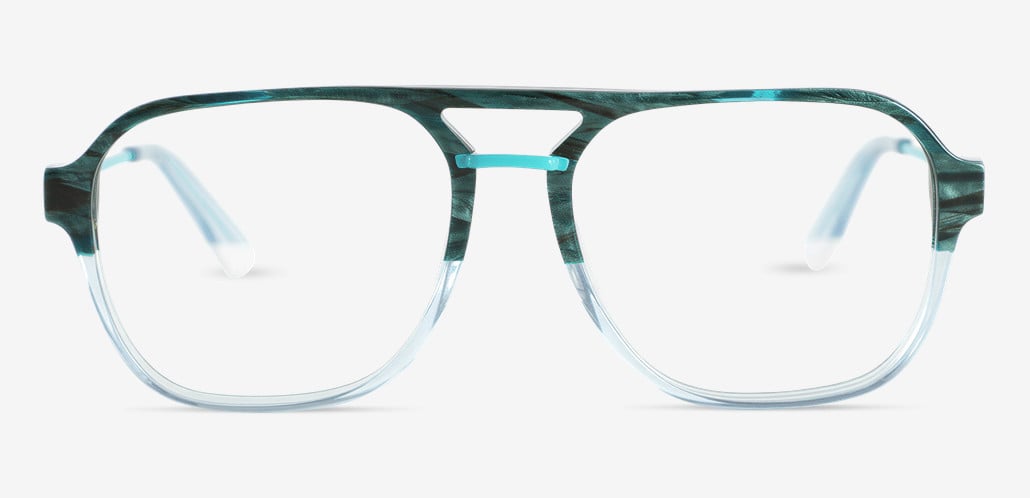

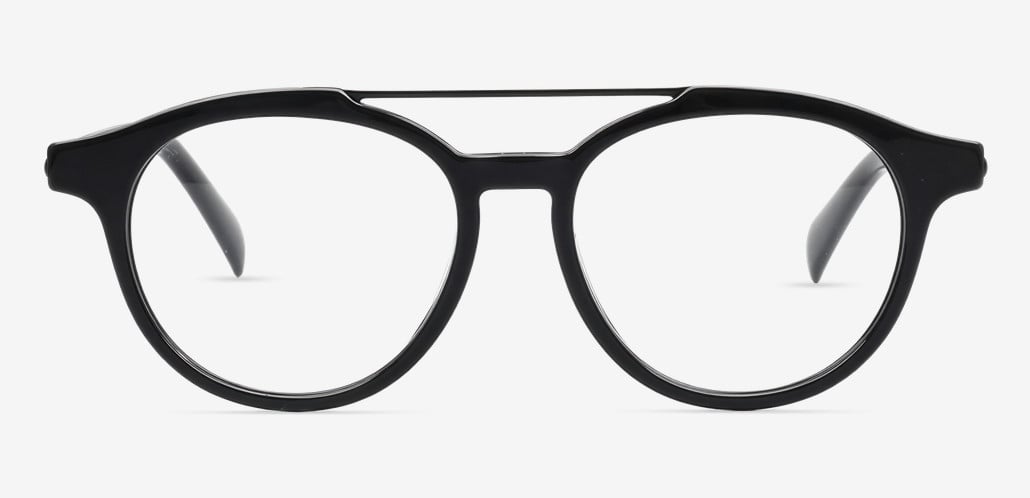

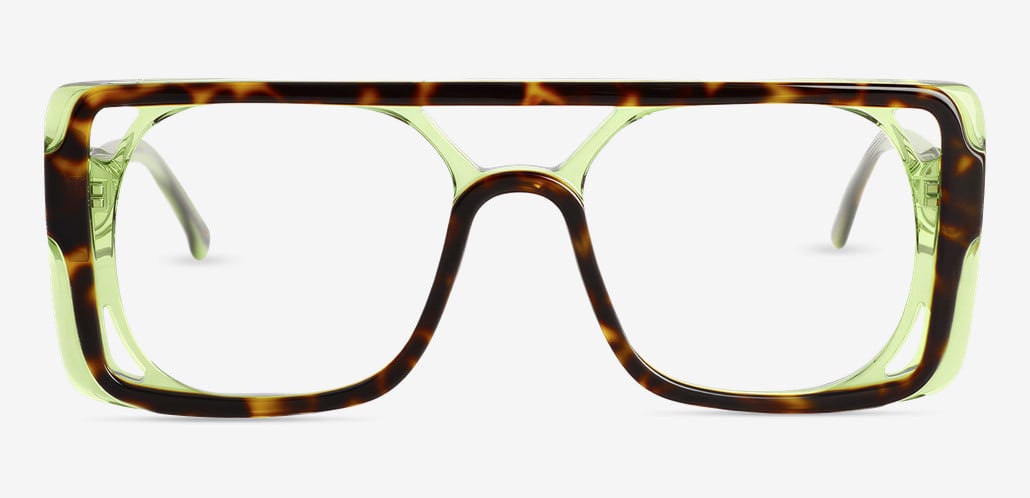

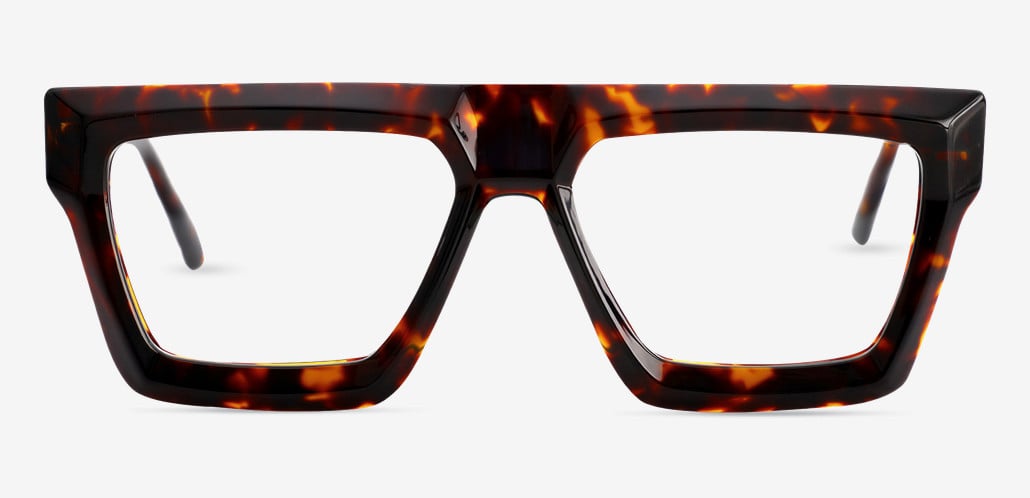





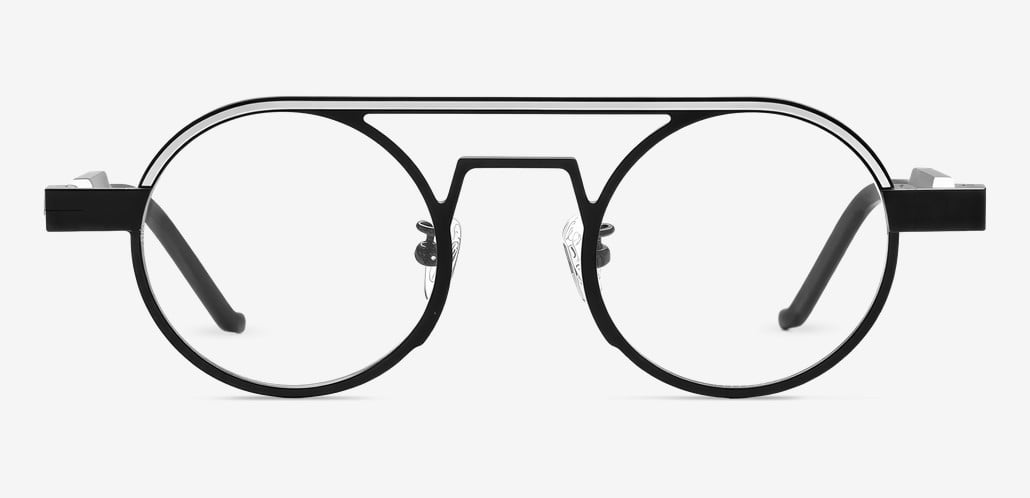

Aviator Prescription Glasses
Aviator Prescription Glasses: Common Questions
Do aviator glasses work with a strong prescription?
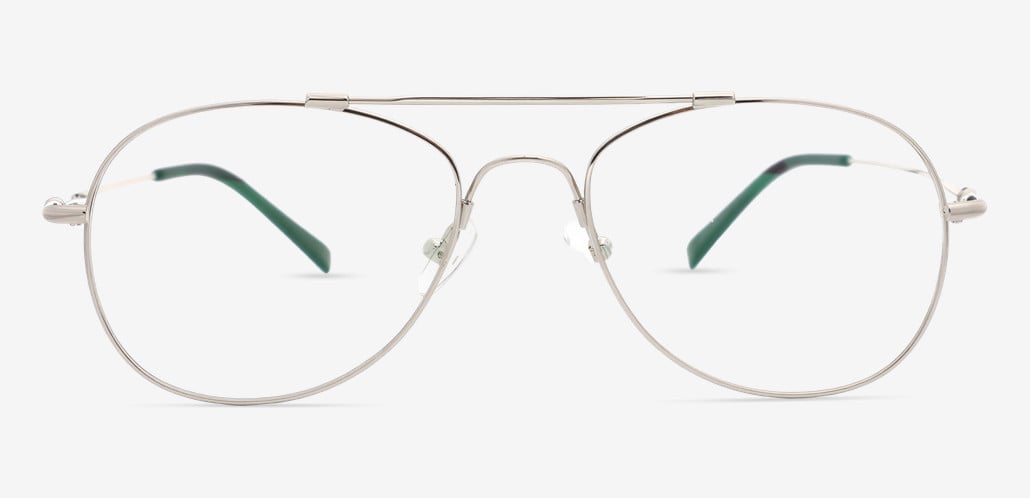
Yes, with one caveat about how it looks. Aviator lenses are tall, so on a minus Rx the bottom edge ends up thicker than it would in a shorter frame, and a thin metal rim shows that edge. A Flat Base or a smaller-lens aviator keeps the edge shorter. A high-index lens option also reduces edge thickness for the same Rx.
Are aviator glasses good for multifocal lenses?
They can be, but choose by base width rather than height. The near zone sits low in the lens,which on a classic teardrop is the narrowest part of the frame. Flat Base aviators keep that area wide. That's what the taper rating on each product card is for.
What's the difference between aviator glasses and pilot glasses?
Nothing — they're two names for the same shape. 'Pilot glasses' is the more common term in Europe; 'aviator' is standard in the US. You'll see both used across our sites.
Do aviator frames only come in metal?
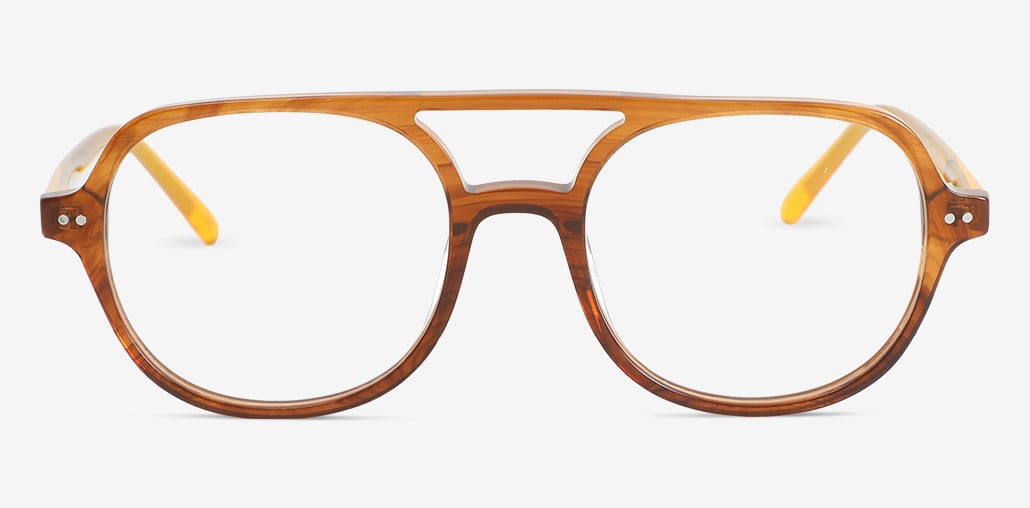
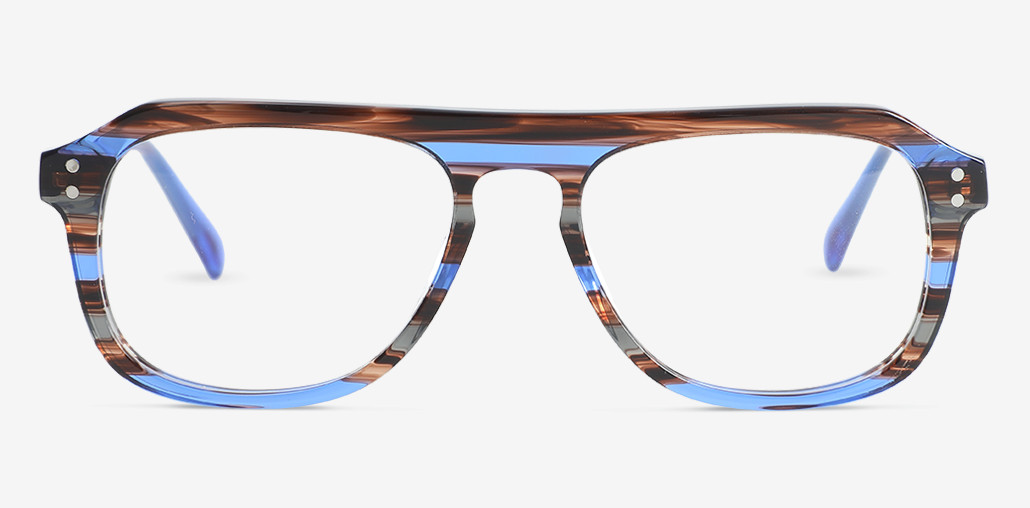
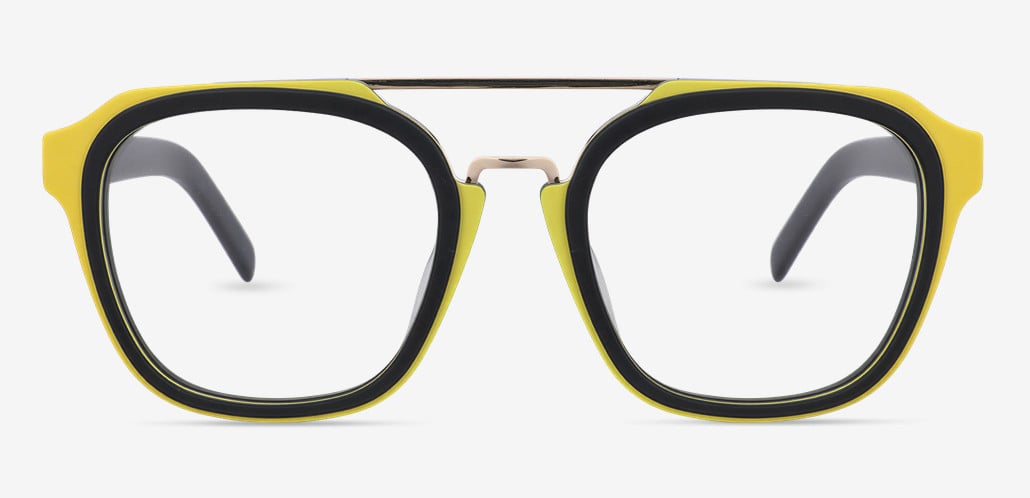
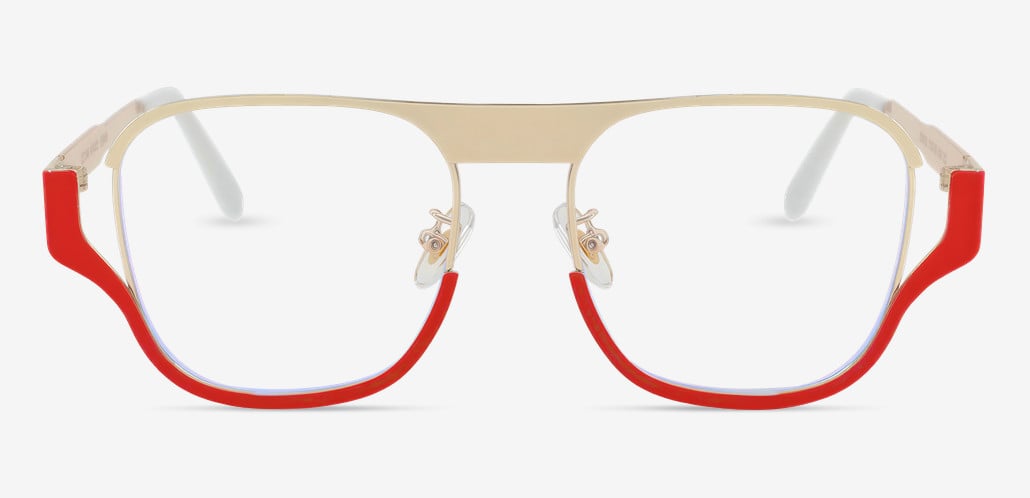
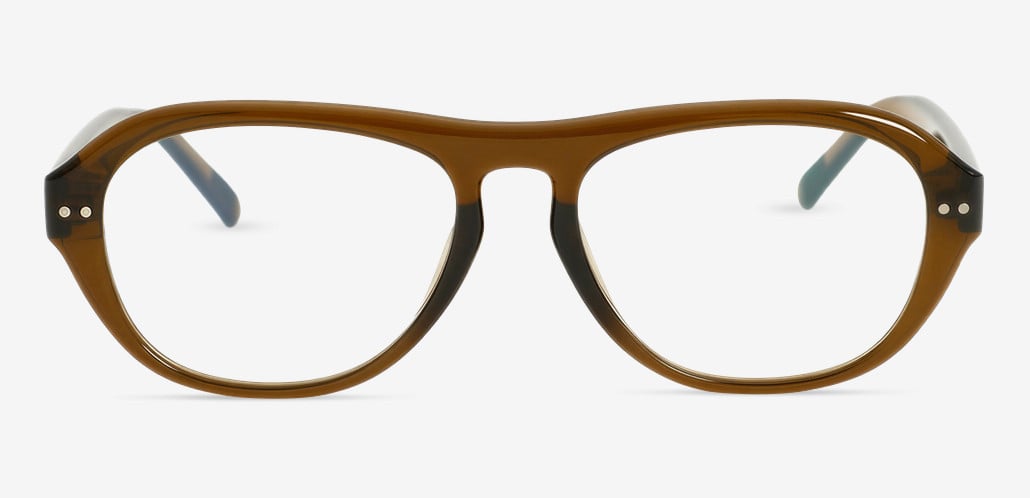
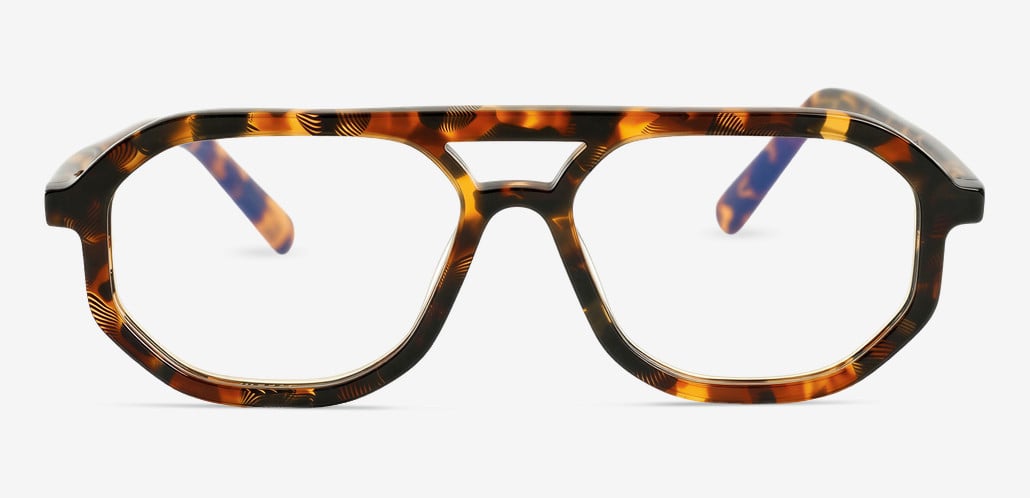
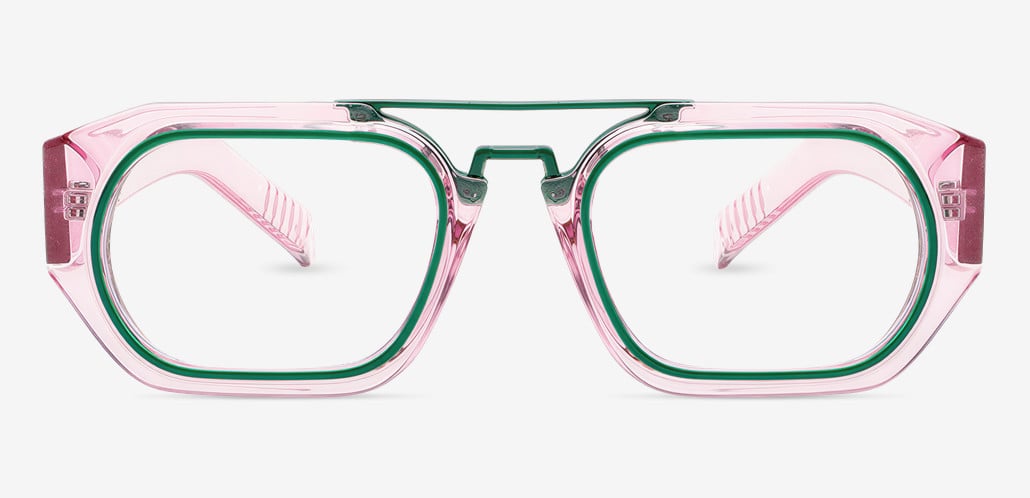
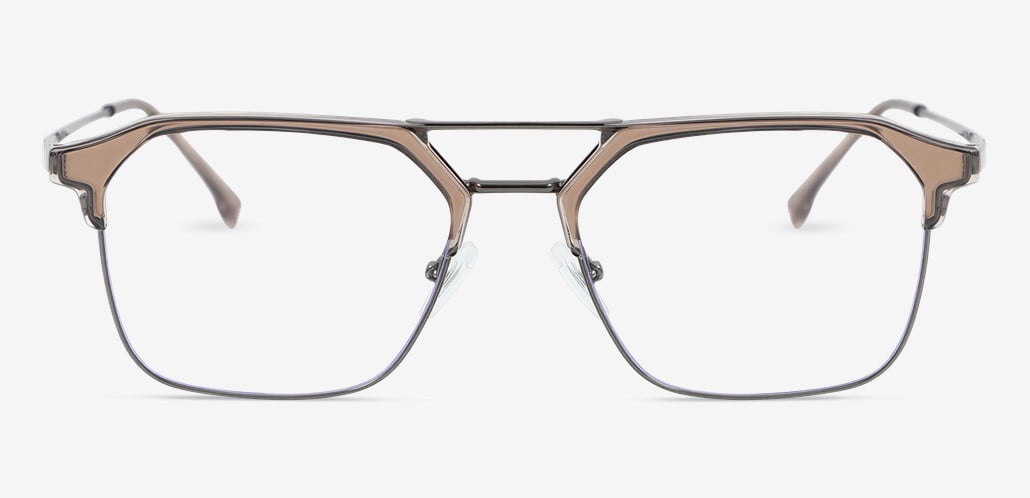
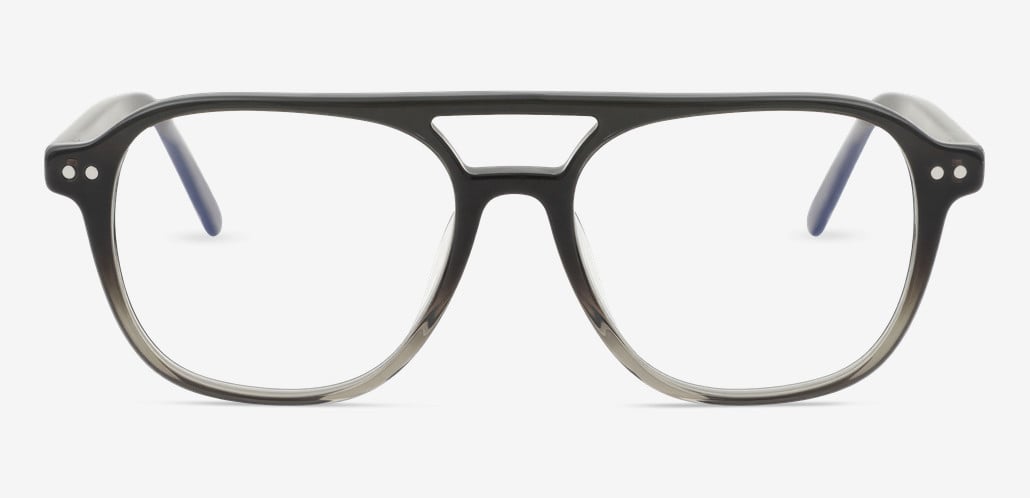
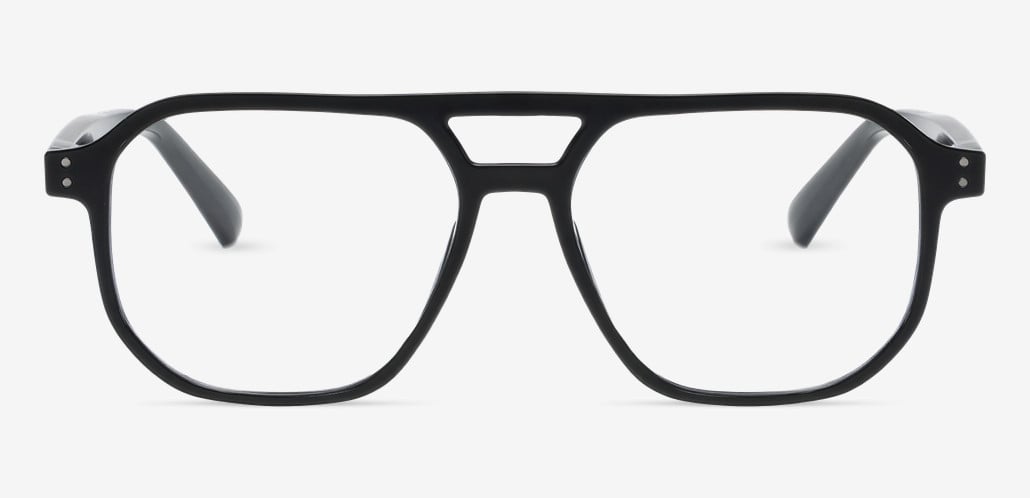
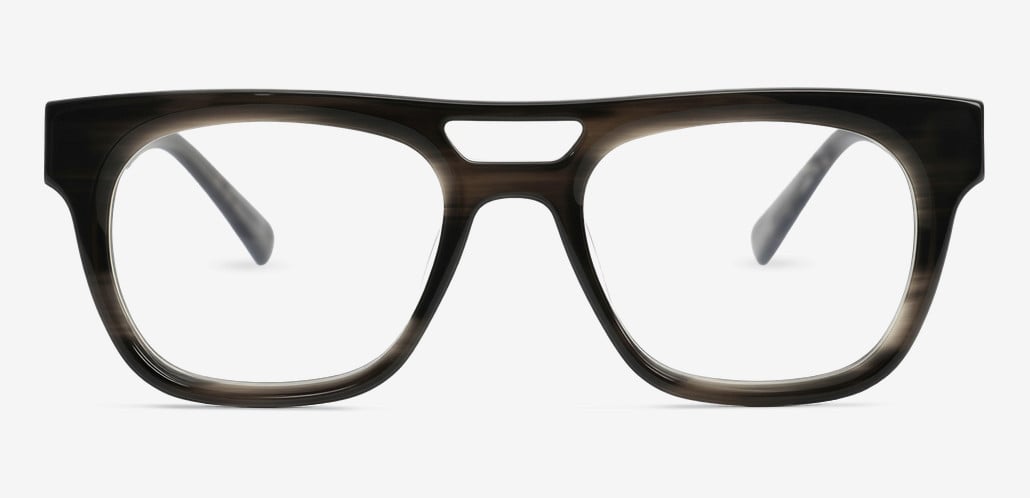
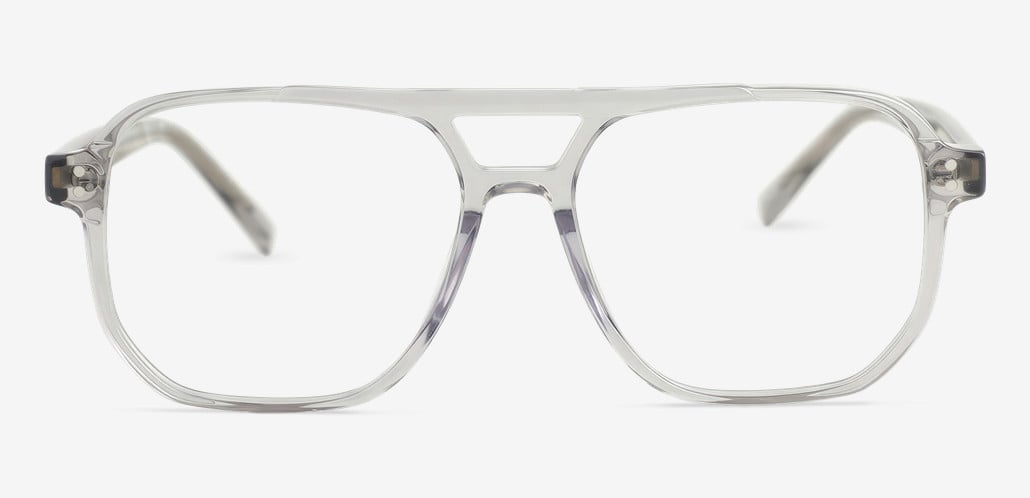
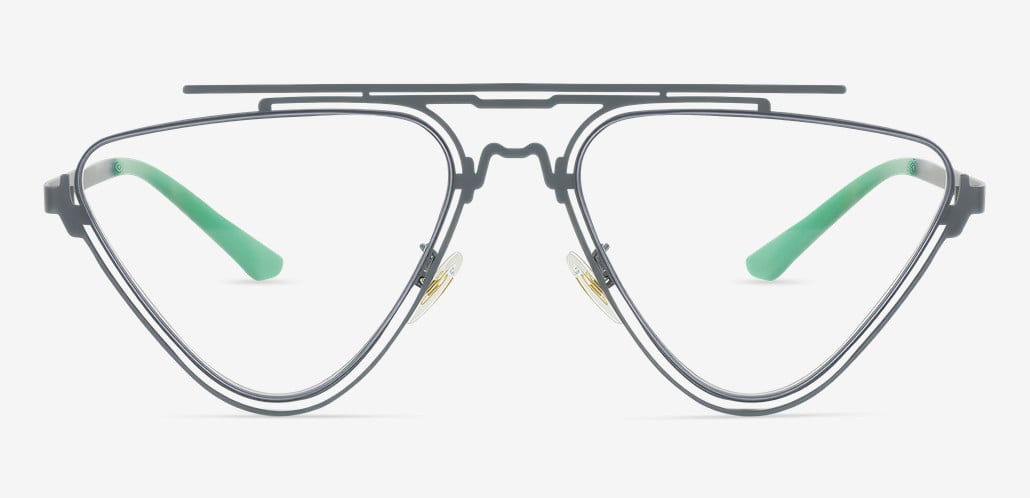
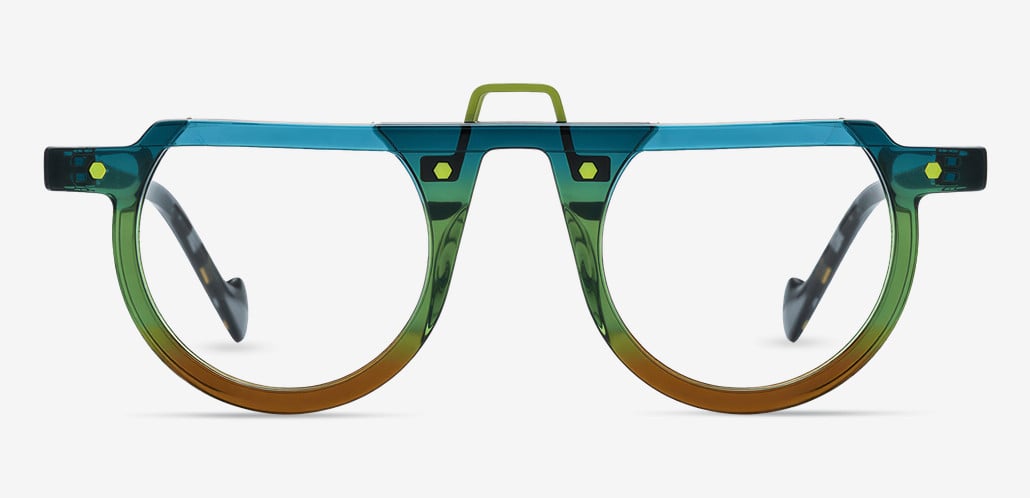
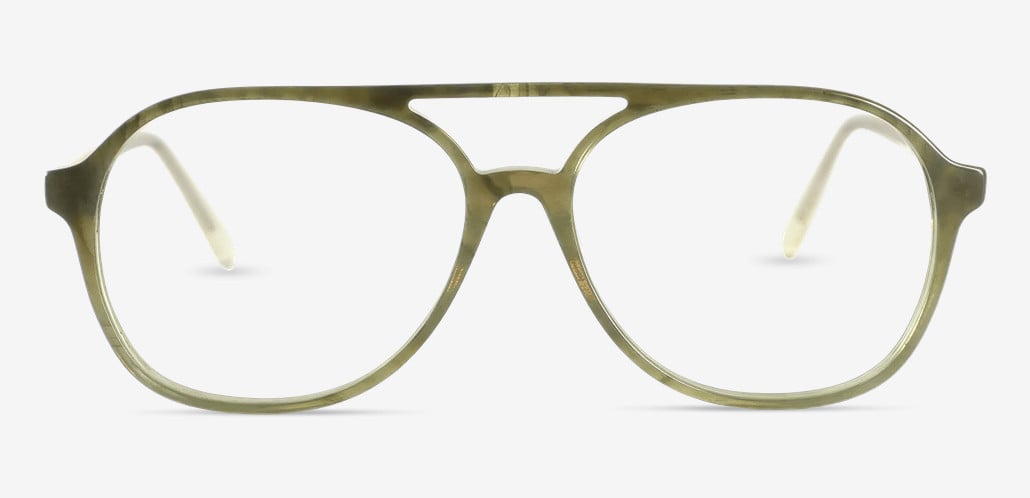
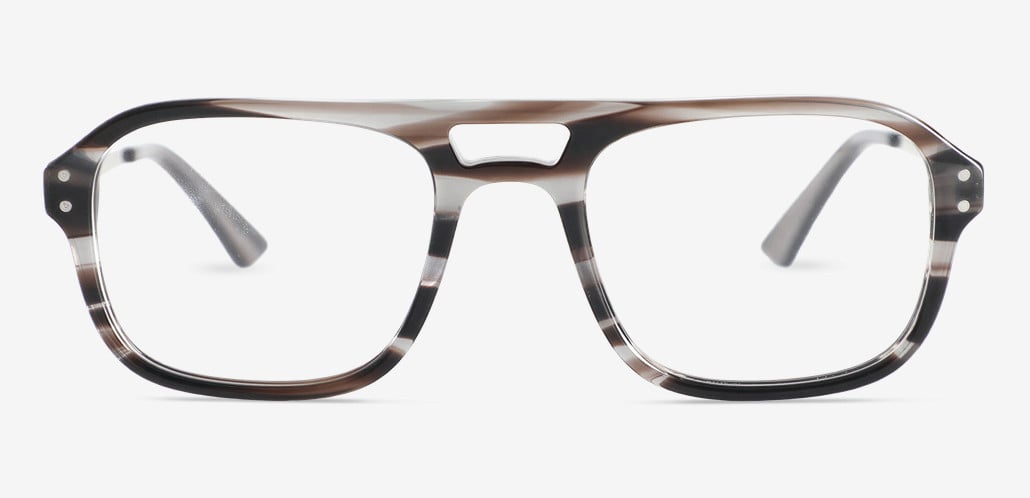
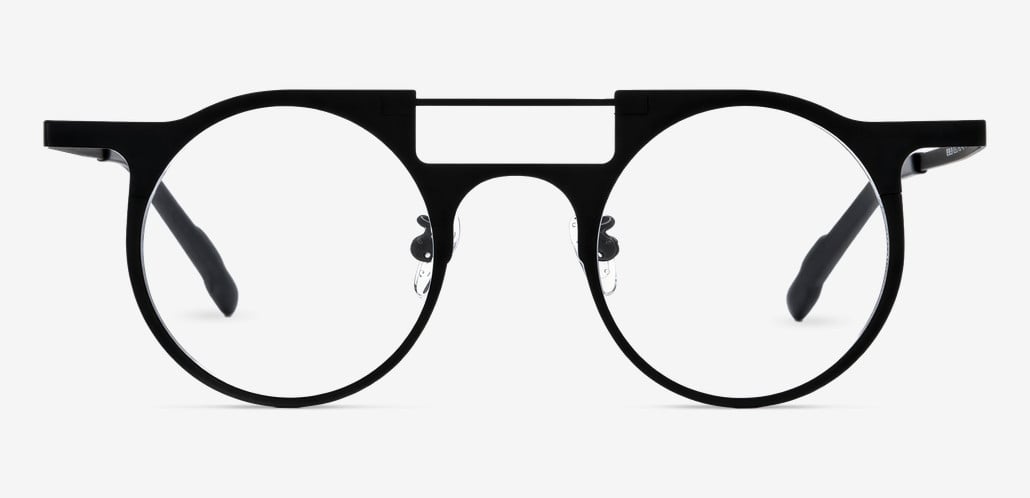
No. The original design was thin metal, and metal is still the most common, but the shape is also made in acetate, TR90, titanium and mixed-material builds. Acetate aviators read softer and warmer; titanium is the lightest option for a frame this size.
Can I adjust how high an aviator sits on my face?
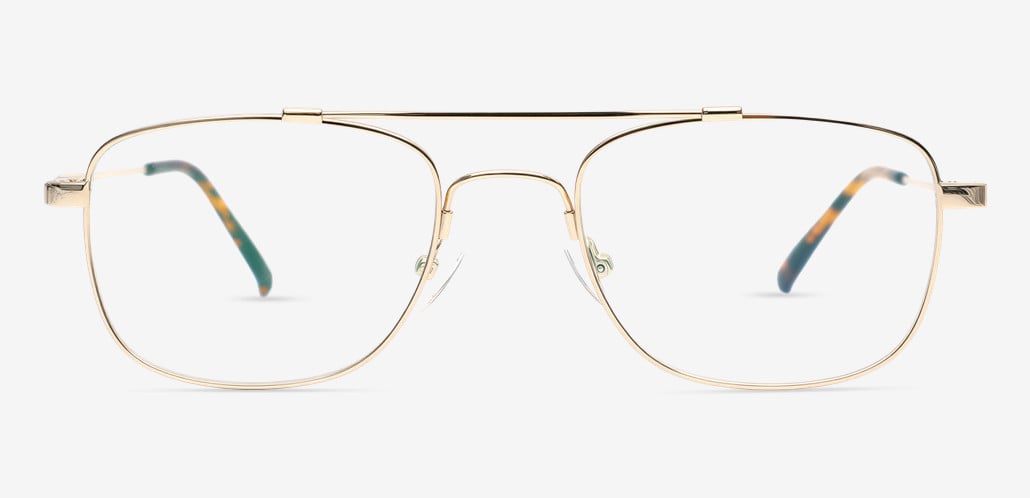
If it has adjustable nose pads, yes — that's what they're for, and it's a few millimetres of range in either direction. Frames with a fixed bridge sit where they sit. Both types are in this collection and the product card tells you which is which.