
FL-41 Glasses: What to Expect Once You Start Wearing Them
Why the world looks green when they come off, how long to keep them on, and how to make them work with the glasses you already wear.
FL-41 glasses have a rose-tinted lens that lets through less blue-green light, around 480 nanometers, than a clear lens. The tint dates to research in Birmingham, England, in the early 1990s, and the “FL” stands for fluorescent, the office lighting it was first made for.
Most of what’s written about FL-41 glasses stops right there, at what the tint is and who has studied it. This guide starts where those leave off: the day your pair arrives. Three things catch new wearers off guard. The world looks oddly green or blue the moment the glasses come off. Nobody tells you how long to keep them on. And if you already wear glasses for your vision, it’s not obvious how FL-41 is supposed to fit on top of them.
We’ll take those one at a time, using lab research where it exists and saying plainly where it doesn’t.
Why everything looks green when your FL-41 glasses come off
The Green Rebound
Put on a rose lens and your visual system starts correcting for it almost at once. Within minutes, white paper stops looking pink. This is chromatic adaptation, the same process that keeps a white shirt looking white under a warm lamp and under daylight.
The catch comes when the lenses come off. Your eyes are still compensating for a pink world that’s no longer there, so for a short while everything leans the other way. Whites look faintly green or cyan. Blues look louder than usual. Call it the Green Rebound. It’s an aftereffect of adaptation, not a sign the lenses did anything to your eyes.
Lenses on, after a few minutesYour eyes correct for the rose, so gray looks gray again.
Just after they come offThe correction is still running, so gray leans green for a while.
What the lab research shows. A 2016 study in Vision Research, co-authored by Arnold Wilkins, the researcher who designed the FL-41 tint, tracked people’s color judgments as they put colored glasses on and took them off. Adaptation had two parts: a large, fast one and a smaller, slower one. People who already wore colored lenses every day adapted more, and faster, than people new to them.
A 2020 study in eLife from the University of Minnesota pushed further. Eleven people wore strongly red glasses for an hour at a time, five times a day, for five days. Over those days they got quicker at adjusting the moment the glasses went on, and the aftereffect when taking them off trended smaller. The visual system, in other words, can learn to switch between “lenses on” and “lenses off.”
One honest caveat: those studies used far stronger color filters than an indoor FL-41 tint, so expect a milder version. No published study has timed the rebound for FL-41 lenses specifically.
What to do with it
- Expect a strange first week. The rebound is usually most noticeable early on. It isn’t a reason to give up on the pair after day two.
- Switch at the same points each day. On when you sit down at your desk, off when you walk out of the building. The lab results suggest regular, repeated switching is what trains the faster shift.
- Don’t judge color right after taking them off. That’s the worst moment to match paint, pick an outfit, or do your makeup, because your colors are skewed toward green. Give it a few minutes.
Try the Gray Anchor check
Pick one neutral object you see every day: a gray hoodie, a concrete step, a stainless steel sink. Each time your FL-41 glasses come off, look at it and count how long until it looks plain gray again. Note the number on day 1, day 3 and day 7.
- Day 1Seconds until gray looks gray
- Day 3Seconds until gray looks gray
- Day 7Seconds until gray looks gray
If it shrinks, your vision is learning the switch. If the rebound is still strong or bothersome after a couple of weeks, a lighter tint may suit you better, and it’s worth raising with your eye doctor.
Can you wear FL-41 glasses all day?
Under the lighting you bought them for, plenty of people do. The better question is how much you’re dimming your world in total, because FL-41 glasses are meant to filter part of the light, not to make every room darker.
Indoor FL-41 tints are fairly light. In a 2009 University of Utah study, the FL-41 lens let through 63.8% of visible light on average. The Moran Eye Center, which offers the tint, notes it tends to help most indoors, and that most of its patients prefer a polarized lens outside.
There’s also a reason not to go darker indoors. In a 2015 American Academy of Ophthalmology roundtable, neuro-ophthalmologist Kathleen Digre of the University of Utah, speaking about patients who are bothered by light, said they should not wear dark sunglasses inside. Living in the dark keeps the eyes dark-adapted, so ordinary light starts to feel harsher. Outdoors, she said, dark glasses are appropriate. Her advice ran toward getting back into brighter light, not away from it.
The Stacking Check
Count how many of these are true for most of your day:
- You’re wearing a tinted lens.
- The tint is an outdoor or sunglass depth, and you’re indoors.
- Your screen brightness sits at or near its lowest setting.
- Overhead lights stay off and the blinds stay shut.
- You keep a cap brim or hood up inside.
One or twoOrdinary.
Three or moreMore tint is unlikely to be the answer. Talk with your eye doctor rather than ordering a darker pair.
A sensible routine, in plain terms
- Indoors, under the lights that bother you
- Wear the lightest FL-41 tint that does the job.
- Indoors, where you’re comfortable
- You don’t need them on “just in case.”
- Outside in full sun
- A pair of polarized sunglasses usually does the job better.
- Driving at night
- No tinted lenses. After dark, any tint removes light you need to see the road.
Already wear glasses? Five ways to add FL-41
The Layer Decision
If you wear contact lenses, this part is easy: a zero-power pair of FL-41 glasses goes on over your contacts like any other pair. If you wear glasses, you have to decide how the tint and your vision lenses will live together. There are five realistic ways to do it.
| Option | How it works | Keeps your current lenses? | Watch out for | Works best when |
|---|---|---|---|---|
| Fit-over FL-41 glasses | A larger frame worn over your own glasses, often with top and side shields | Yes | Two frames’ weight on your nose; some wearers say it gets sore after an hour | You want to try FL-41 before committing, or wear it only now and then |
| Universal clip-on | A tinted front that clips onto your frame, usually with a flip-up hinge | Yes | May not grip small or thin metal frames; covers the front only; easy to see | You switch on and off many times a day |
| Custom-measured clip-on | A clip-on cut to your exact frame, ordered through an optical shop | Yes | Higher cost, a wait, and it fits only that one frame | You love your current frame and want a tidy fit |
| Second pair with your Rx | A separate pair with FL-41 tinted lenses made to your vision numbers | No, it’s a new pair | Carrying two pairs; progressive wearers need their fitting heights measured on the new frame | You spend long, predictable stretches under the same lighting, like a workday |
| New FL-41 lenses in your frame | Your frame gets new lenses tinted during manufacturing | No, the old lenses are replaced | Existing lenses generally can’t be tinted after the fact; you’re without that frame while it’s away | You’ll wear FL-41 most of the time and have a backup pair |
Three questions that usually settle it
- How many times a day will the tint go on and off? Five or more favors a flip-up clip-on. Once or twice favors a second pair.
- Are your current lenses progressives, or expensive to replace? Fit-overs and clip-ons leave them untouched. A second pair means a new progressive lens, measured again.
- Is your frame small or made of thin metal? Universal clip-ons often struggle to hold on. A custom clip-on or a second pair is the safer route.
One more thing people miss: a clip-on or fit-over stacks a tinted lens in front of your existing lens, which adds two more surfaces that can catch reflections from overhead lights. An anti-reflective coating on the tinted layer helps. A second pair avoids the extra surfaces entirely.
FL-41 glasses: quick answers
Do FL-41 glasses work?
For some people, clearly; for others, not much. The research is small and focused on specific groups. In the 2009 Utah study of people with benign essential blepharospasm, FL-41 lenses outperformed gray lenses on several measures, including reading and sensitivity to fluorescent light. In a 2023 study of 25 patients from a Miami VA eye clinic with chronic eye pain and light sensitivity, 19 rated light as less unpleasant while wearing FL-41 lenses, 2 noticed no change, and 4 found it more unpleasant. Treat a first pair as a trial, and choose a seller with a fair return window.
Are FL-41 glasses the same as blue light glasses?
No. Most blue light lenses are nearly clear and filter a small share of violet-blue light. FL-41 is a visible rose tint that cuts more light around 480 nm, in the blue-green.
How can I tell if a pair is really FL-41?
Ask the seller for the lens’s transmission curve. Color alone won’t tell you: in the Utah study, a rose lens made to look like FL-41 let through 58.8% of visible light, against 63.8% for the real tint. Two lenses can match by eye and filter differently.
Can I order FL-41 glasses with my Rx online?
Yes. You’ll need your current Rx and the measurements your retailer asks for. If you wear progressives, check that the retailer offers the FL-41 tint on progressive lenses before you choose a frame.
Choosing your pair
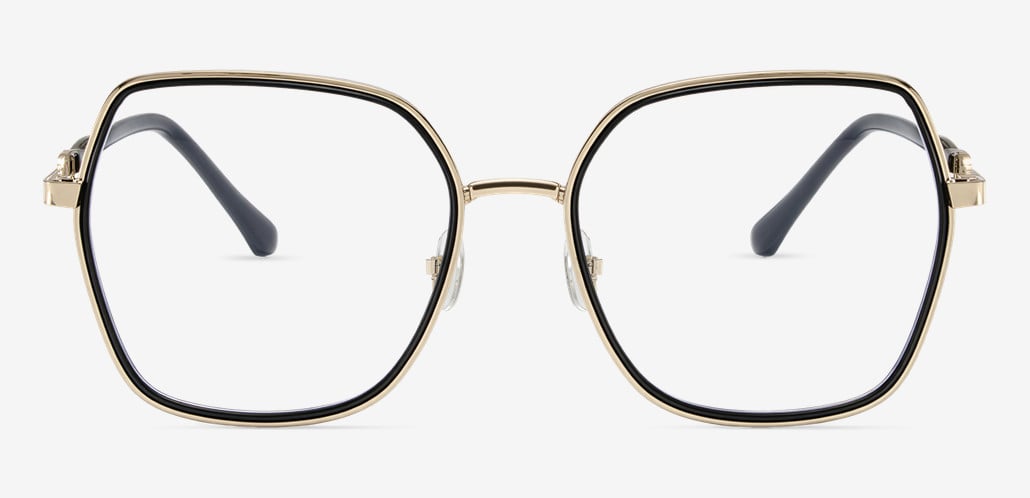
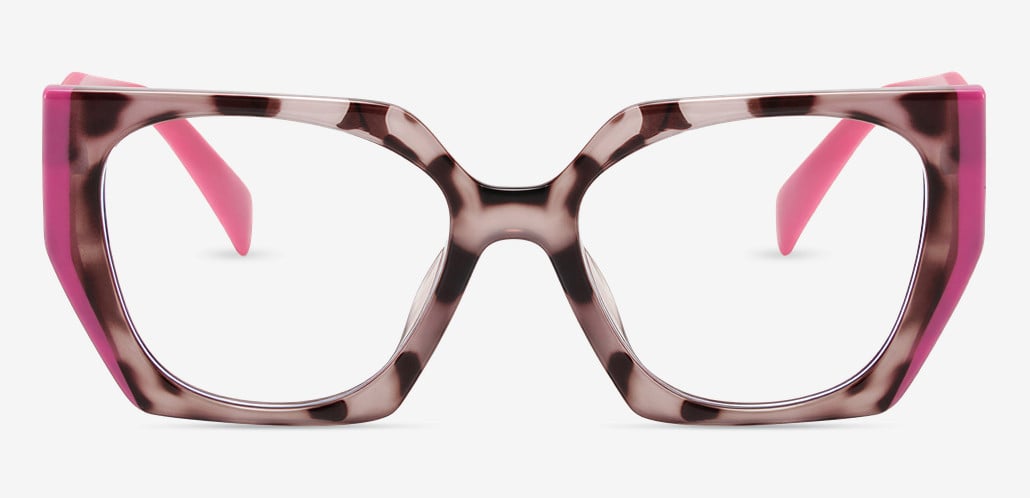
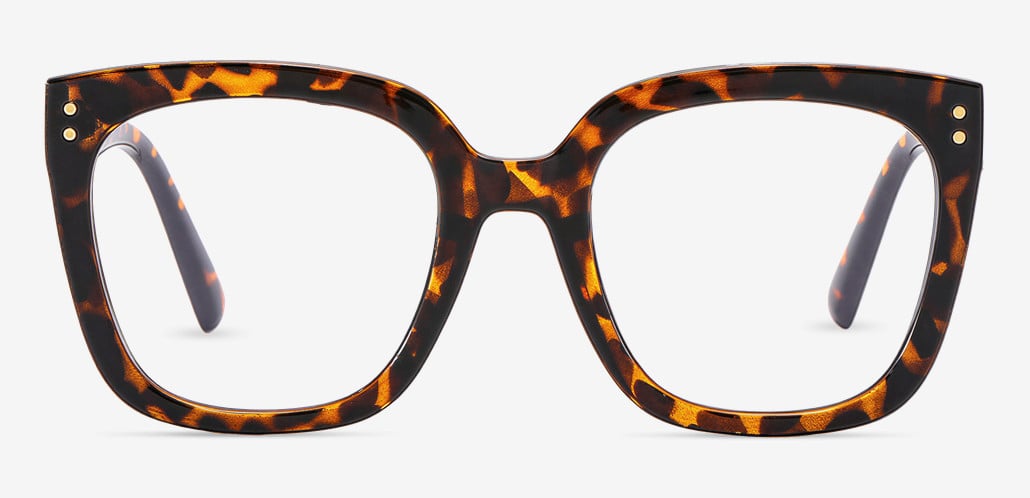
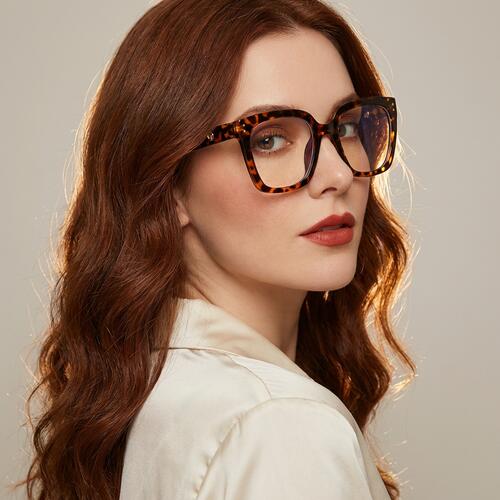
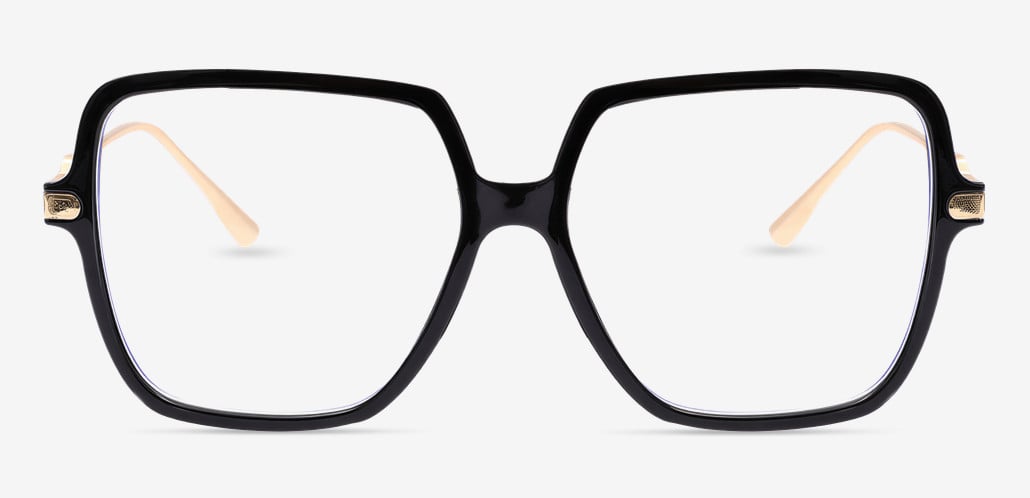
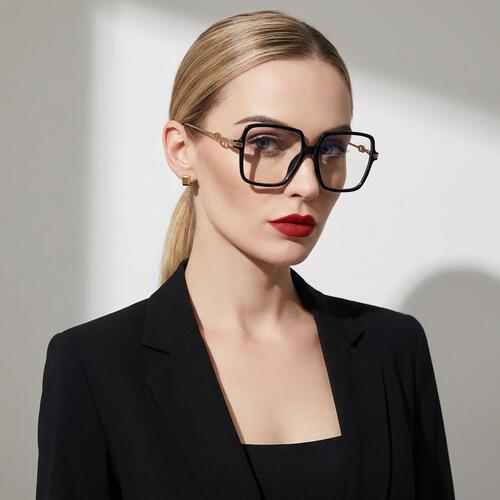
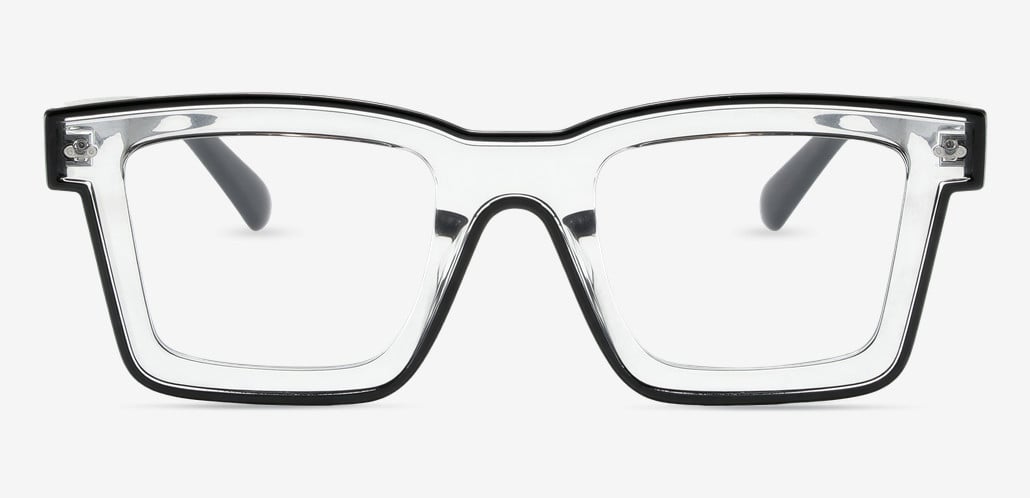
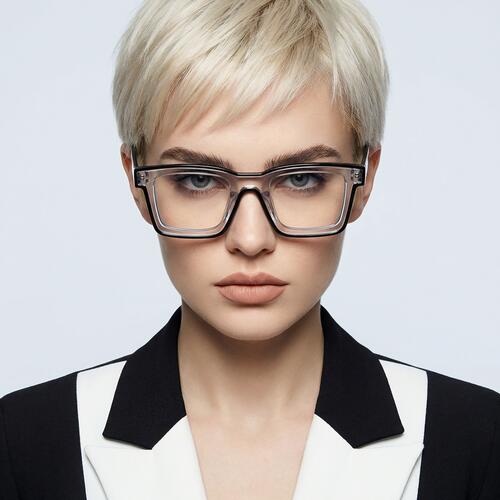
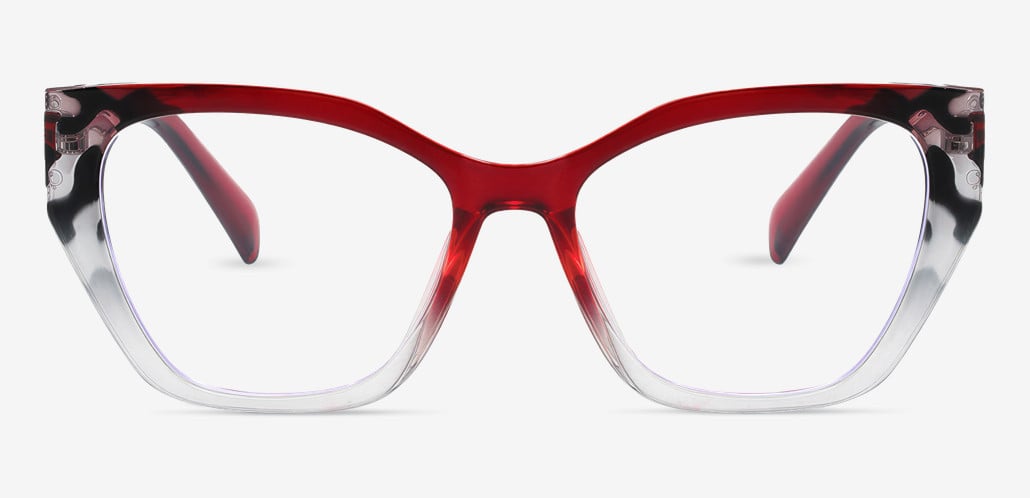
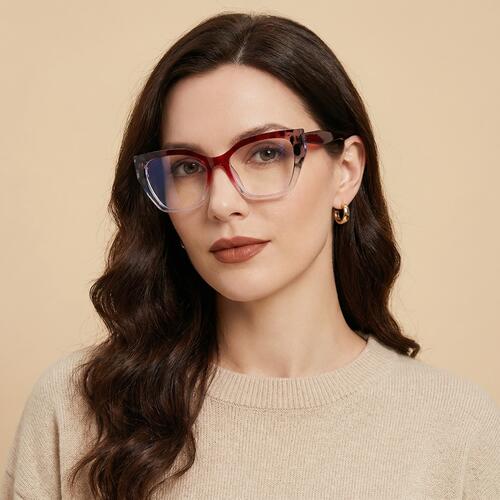
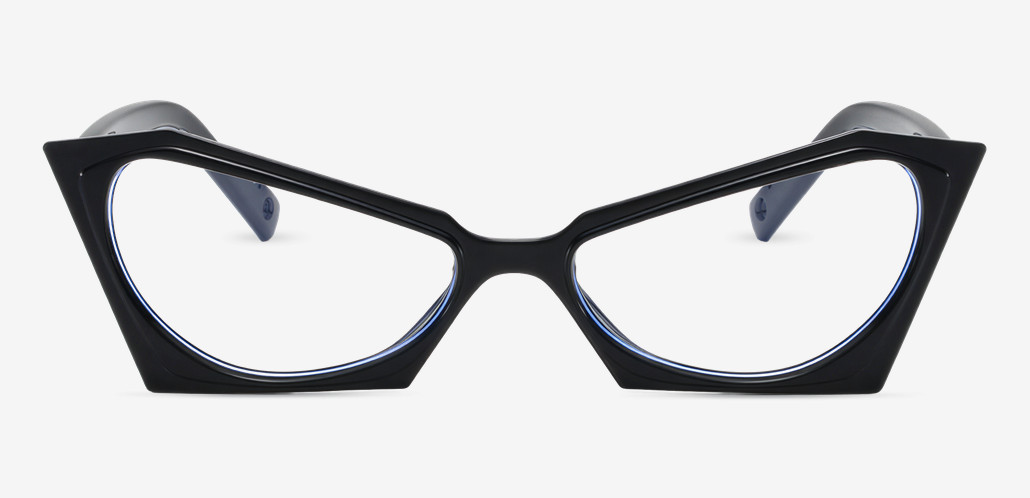
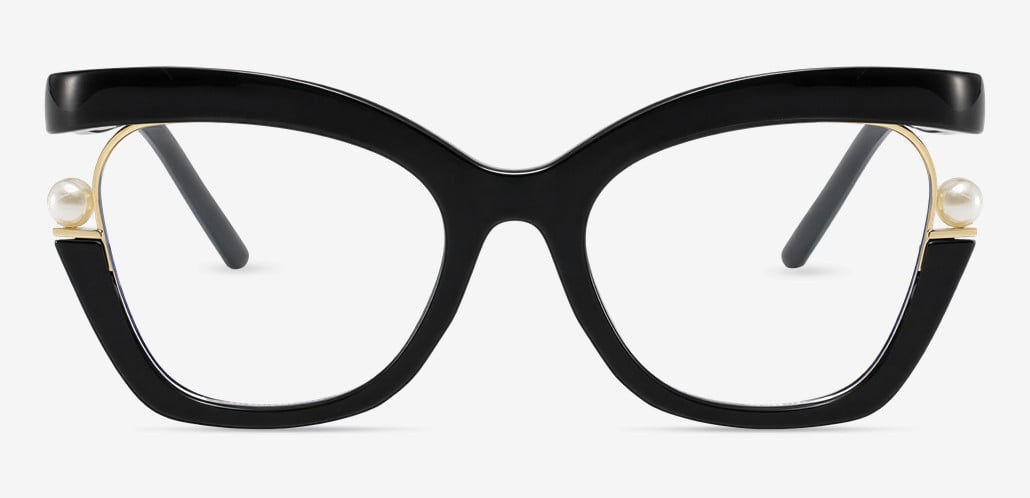
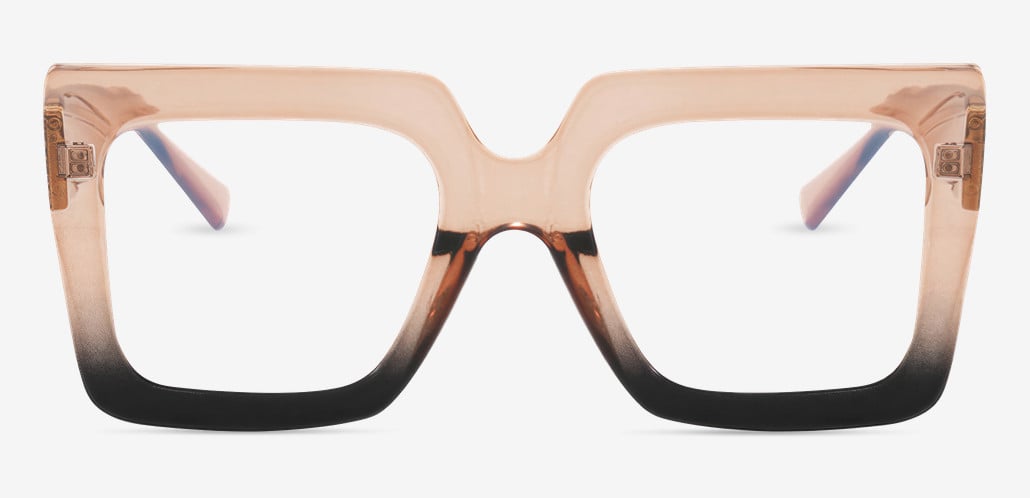
If you’ve settled on a second pair or new lenses, the frame matters more than people expect: taller lenses keep more of your view behind the tint, and a frame that sits close at the sides lets in less untinted light.
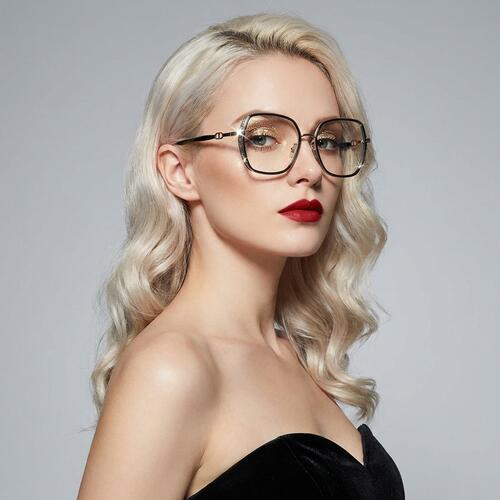
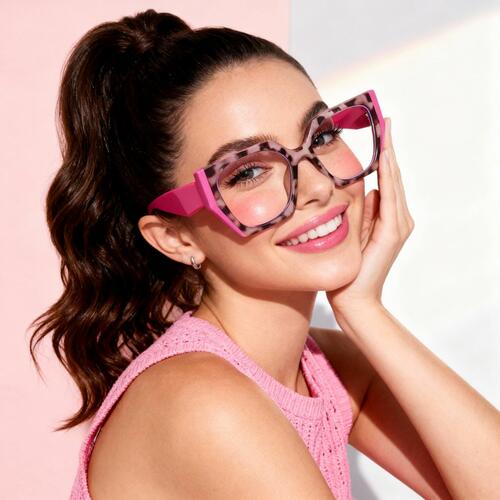
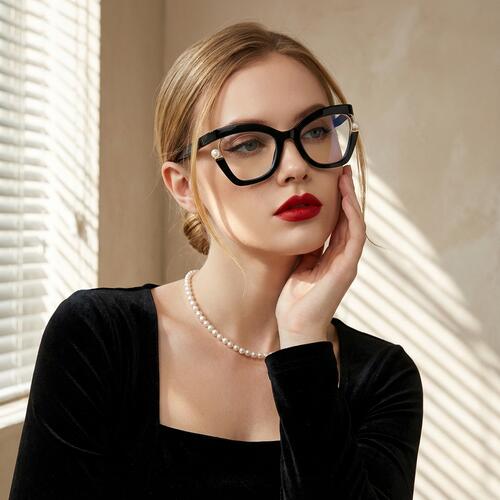
On Aoolia’s FL-41 glasses page, every frame photo shows the tint, so you can see the rose on your face with virtual try-on before ordering, and the measured transmission of our tint is listed on the page. Then give the first week a fair run, and keep an eye on your Gray Anchor.
Shop FL-41 glasses