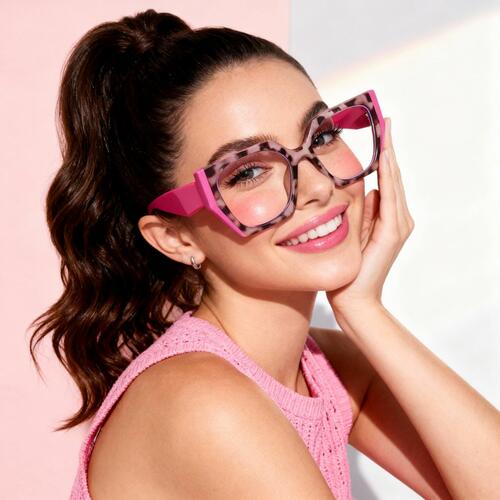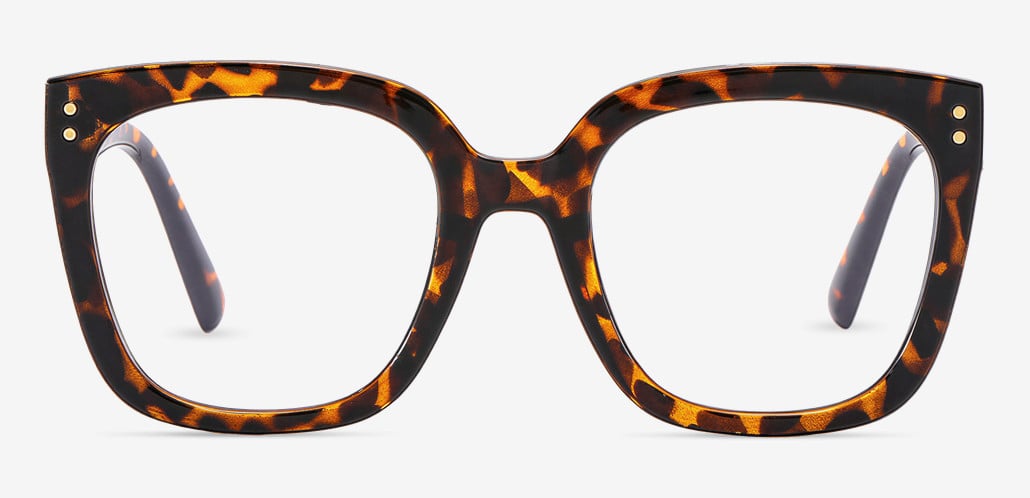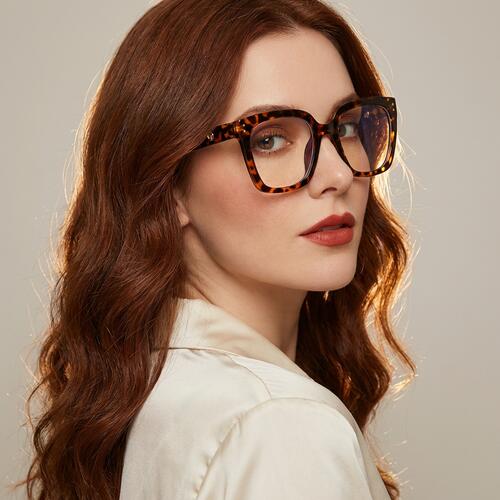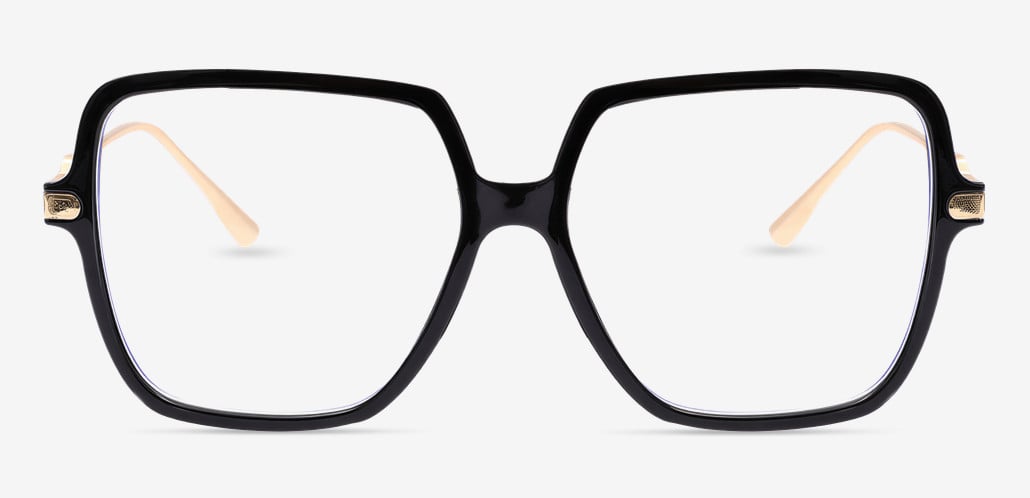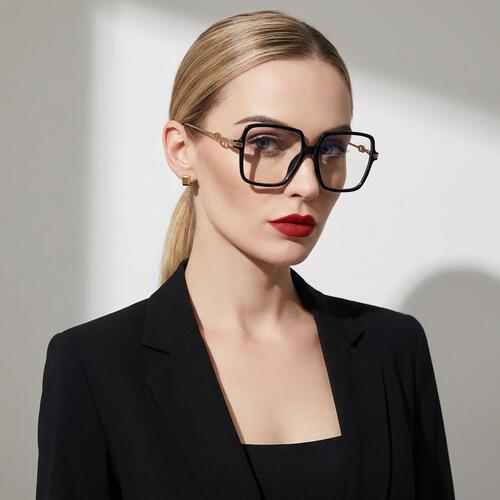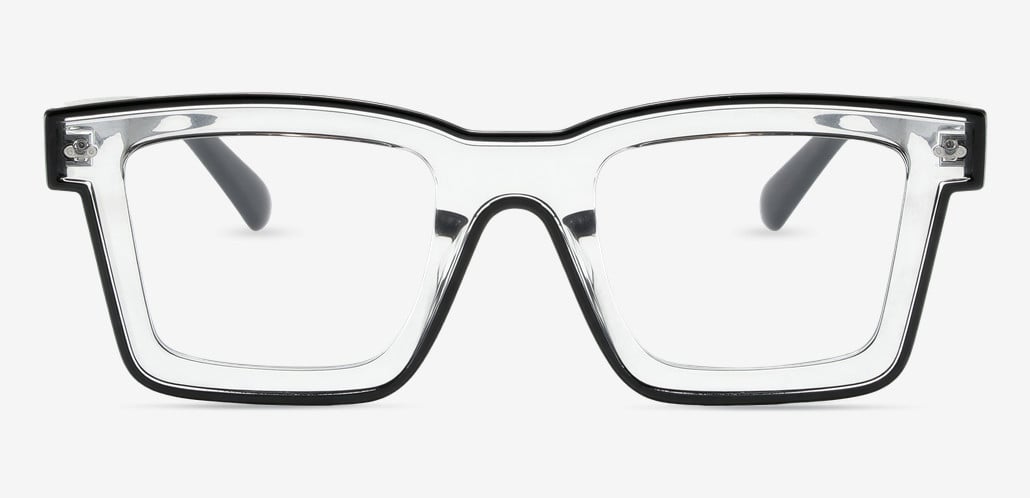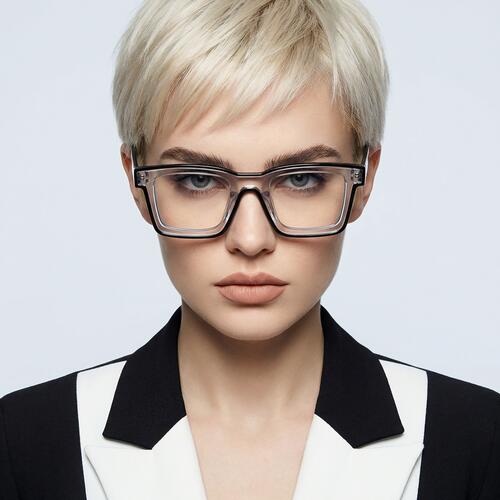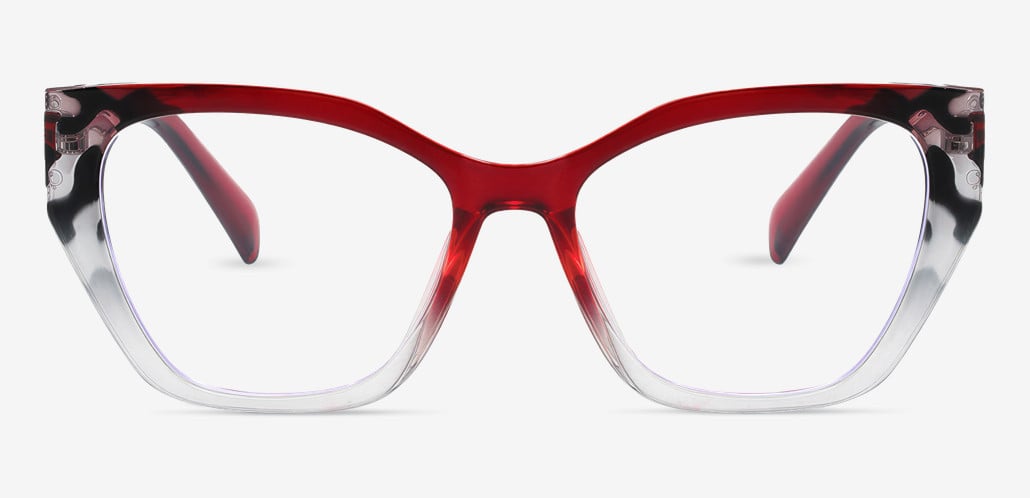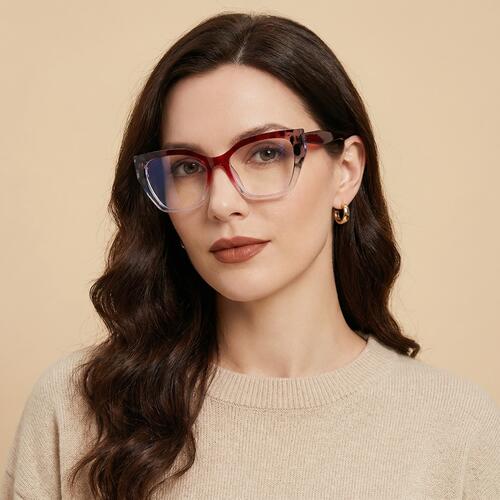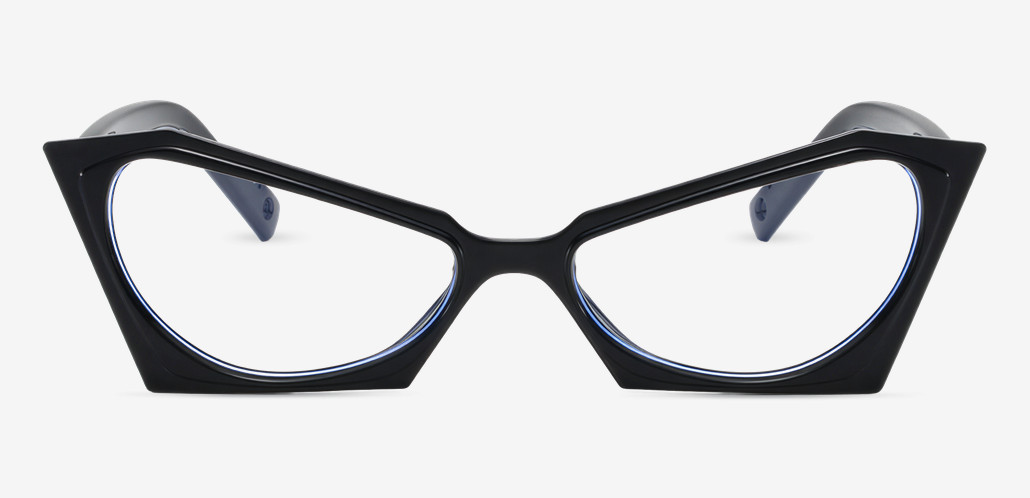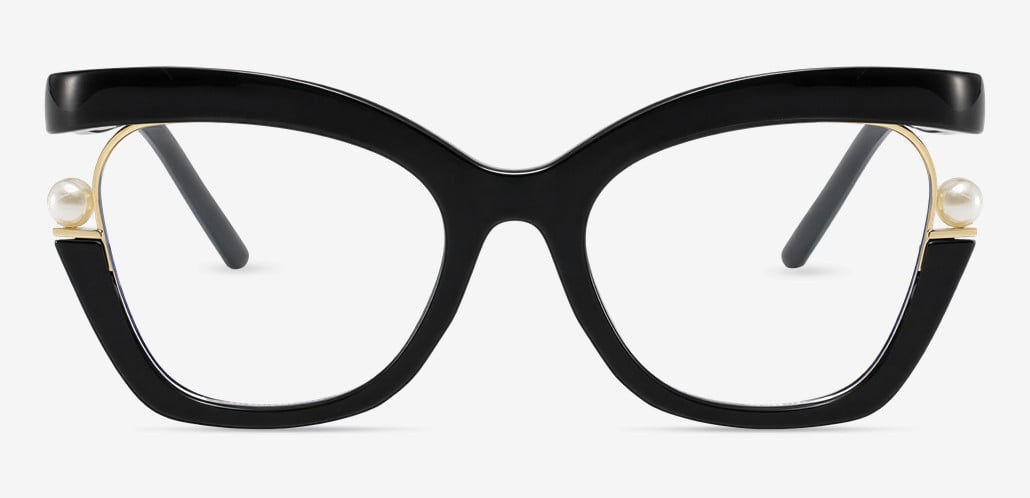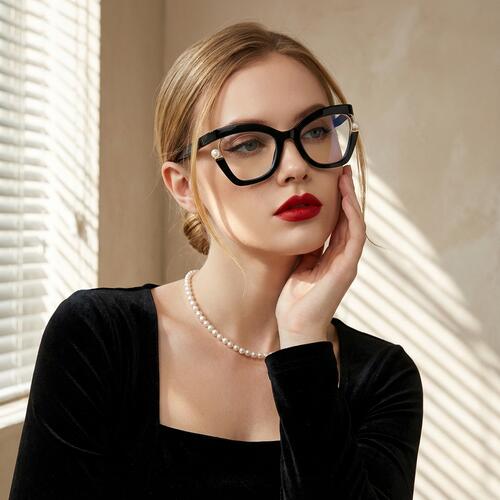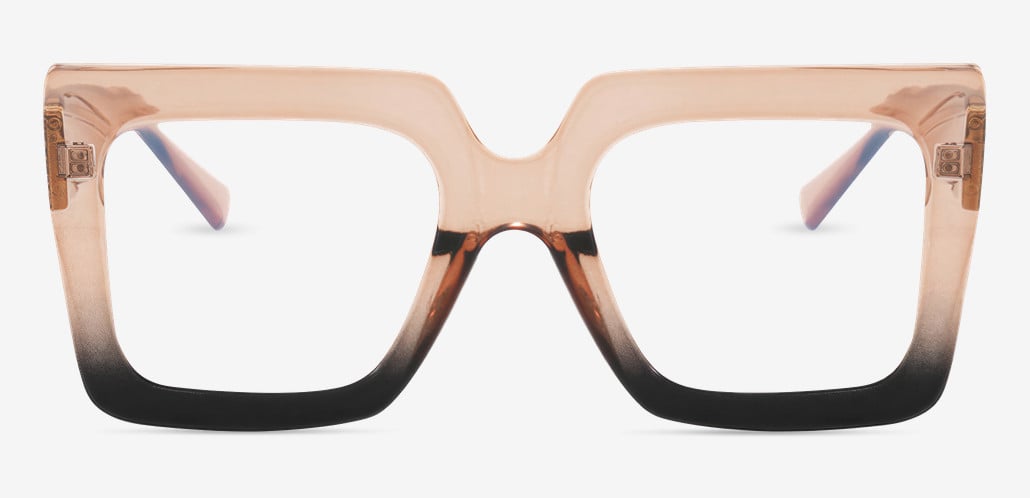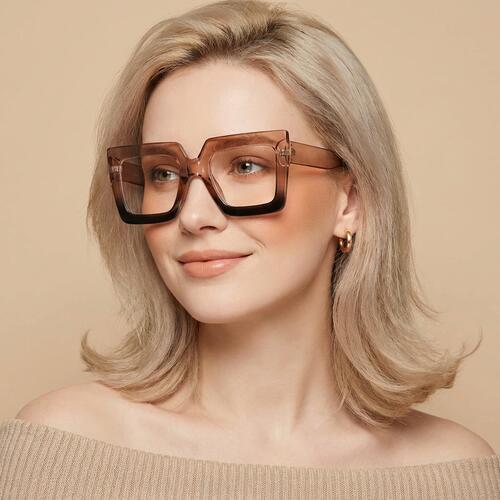

Vintage Inspired Eyewear · Style Guide
Vintage Inspired Eyewear: The Frame Is Only Half the Look
Why a faithful period frame can still look brand-new, or like a costume, and the two things outside the frame that decide it.
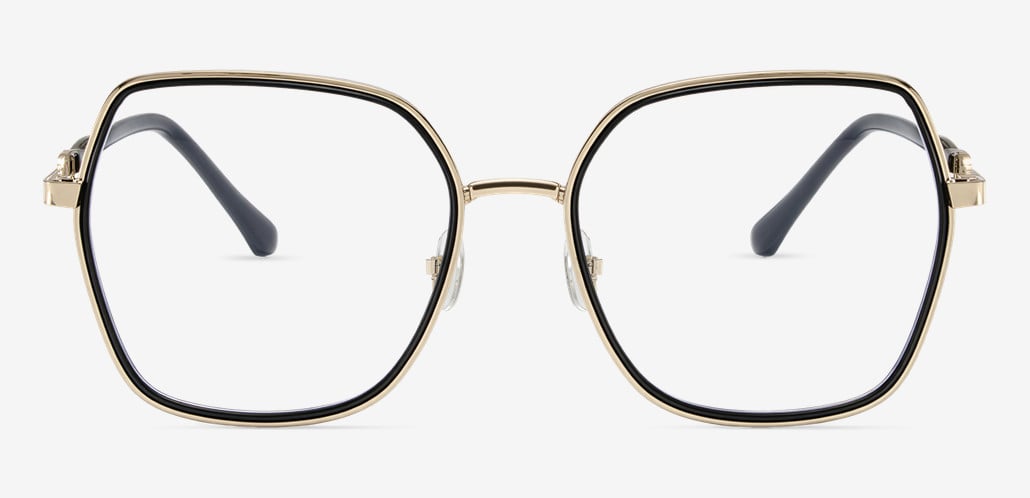
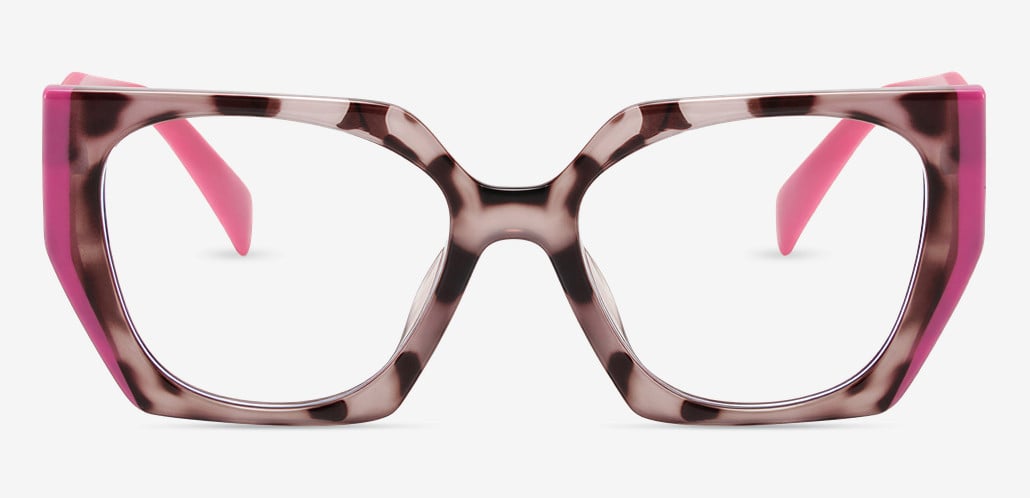
Vintage inspired eyewear is new eyewear built around an older design: a 1950s cat eye, a browline, a thin round wire frame, an oversized 1970s square. The frame is made today, sized for today's faces, and fitted with today's lenses.
That last part is where a lot of pairs go sideways. You can choose a frame that is faithful to its decade down to the rivets and still end up with glasses that look unmistakably new in every photo. Or you can end up with a pair that looks like it came with a costume rental. Both problems usually start outside the frame: in the lens, and in how much of the same decade the rest of your look is carrying.
This guide covers those two things. Frame shapes by decade are covered almost everywhere. If you want to buy an original frame from the period itself, our vintage glasses guide deals with that separately.
Definition
Vintage inspired eyewear is newly manufactured glasses or sunglasses whose shape, proportions or details borrow from a specific past era, roughly the 1920s through the 1990s. It differs from true vintage, an original frame made in that era, and from deadstock, an original frame that was never sold. Vintage inspired pairs use current materials, current hinges and modern lens options.
Shoppers search for the same thing as "vintage style glasses," "vintage looking glasses" and "retro inspired eyewear." The label covers a wide range, from near-copies of a 1950s frame to modern frames with one borrowed detail, like a keyhole bridge or a metal brow bar.
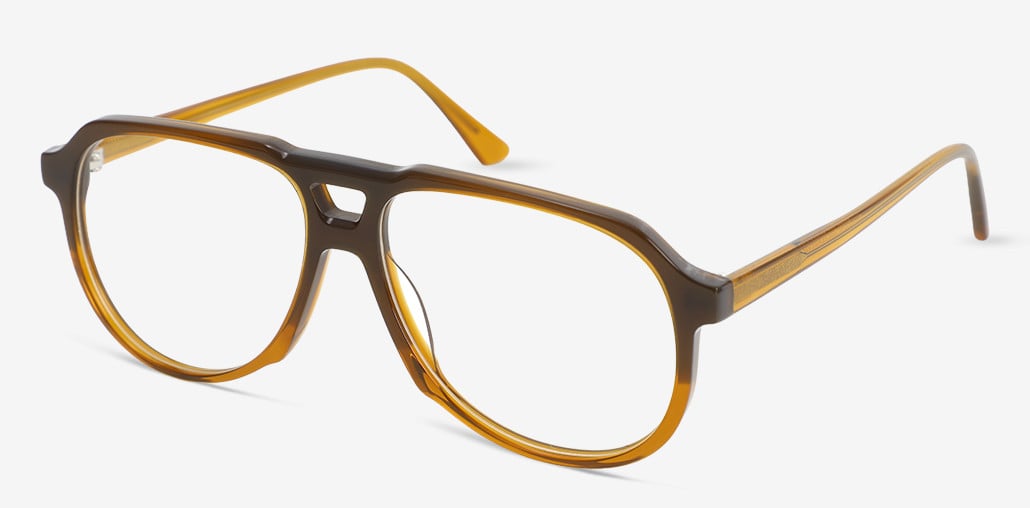
The hidden tell
Why a faithful frame can still look brand-new
The frame is a copy of a historical object. The lens inside it almost never is.
For most of the decades these frames borrow from, the lenses were simple. Glass was the standard for eyeglasses into the 1940s. Plastic lenses made from CR-39 reached the market in the late 1940s and took over gradually (20/20 Magazine). By 1990, about 60 percent of eyeglass lenses were plastic (ABDO).
Anti-reflective coatings came later still for most American wearers. A 1991 review of the lens industry described them as widely accepted in Europe and Asia, while U.S. manufacturers were only starting to offer them (SPIE Proceedings, 1991). So the typical pair worn in the U.S. from the 1940s through the 1980s had uncoated lenses.
That matters because of how lenses reflect light. An uncoated lens throws back about 4 percent of the light at each surface, and that reflection has no color: it is a plain white shine (Wikipedia). Modern anti-reflective coatings cut total reflection to 1 or 2 percent or less, but what remains is colored. On many standard coatings it sits near green, because green is where the human eye is most sensitive, around 555 nanometers (20/20 Magazine). Other coatings leave a blue, violet or gold reflection.
Illustration of how each lens type reflects an overhead light. Actual color and strength vary by coating.
So here is the tell nobody names: a colored glint. Put a green glint on a honey tortoise cat eye and, under an overhead light or a camera, the lens picks up a faint screen-like sheen. People rarely notice it consciously. They just register the glasses as new.
This is not an argument against anti-reflective coatings. They cut reflections from lamps and screens, and they make your eyes easier to see for the person facing you. The point is to choose the lens knowing it is the one part of the pair that cannot be vintage, and to decide how much of it you want to show.
Device 01
The Lens Half: five lens decisions that change how vintage your pair reads
Each card is a choice you make at the lens step. Read what people facing you will see, what it does to the vintage read, and how to steer it.
Standard anti-reflective coating
- What people see
- A faint colored glint, often green, under overhead light and in photos.
- Effect on the vintage read
- Adds a modern note; most visible on warm frames like tortoise, honey and gold metal.
- How to steer it
- Ask which reflection color the coating leaves. A neutral or gold reflection sits more quietly on warm frames.
Blue-light filtering lens
- What people see
- A blue to violet sheen on the surface, and a slight yellow cast when you look through it at something white.
- Effect on the vintage read
- The strongest tech signal a lens can add, most visible on clear crystal and pale acetate.
- How to steer it
- If it's optional for you, leave it off a period pair. If you want it, a darker frame competes with the sheen.
Clear lens with no coating
- What people see
- A colorless white shine, like older pairs.
- Effect on the vintage read
- The closest match to how period glasses looked.
- How to steer it
- Accept the trade-off: more reflections from lights and screens, and your eyes are harder to see in photos.
Light or gradient tint
- What people see
- Lens color you can see indoors.
- Effect on the vintage read
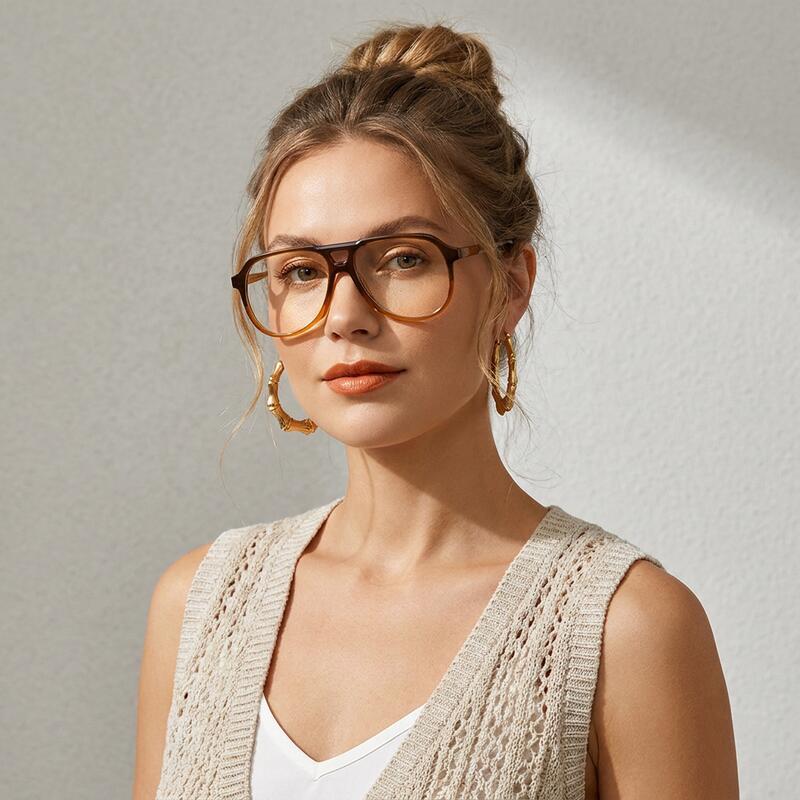
- Reads as 1970s right away on metal aviators, large squares and big rounds.
- How to steer it
- On a 1950s cat eye or browline it pulls the look toward the 1970s. A light fashion tint is not a sunglass lens, and tint color says nothing about UV performance.
Lens edge in a thin metal rim
- What people see
- A visible edge ring at the side of the lens, thicker as minus numbers get stronger.
- Effect on the vintage read
- Wire round, oval and panto frames show the edge; thick acetate hides it.
- How to steer it
- With stronger numbers, lean toward acetate or a smaller lens, or ask about a thinner, higher-index lens.
One gold-reflection data point is worth knowing. ZEISS, which sells a coating with a golden residual reflection, reports that most consumers it surveyed felt gold-reflection lenses suited gold or brown frames (ZEISS). That is a manufacturer's own survey, so read it as a direction, not proof. It does match what the color logic suggests: a warm reflection on a warm frame draws less attention than a cool one.
Photochromic lenses, the kind that darken outdoors, have a longer history than most people assume. Corning sold photochromic glass lenses in the mid-1960s and renamed them PhotoGray a few years later (Mental Floss). On a 1970s-inspired metal aviator, a lens that darkens outside fits the period story. On a 1950s frame it is a small anachronism, and outdoors almost nobody cares.
The Reflection Read: check your current pair in 30 seconds
- Stand under a ceiling light. Hold your current glasses at arm's length and tilt them slowly until the light's reflection slides across a lens. A white shine means no coating. Green, blue, violet or gold means a coating, and that is its color.
- Look through one lens at a white wall or a sheet of printer paper. A faint yellow cast usually points to a blue-light filtering lens.
- Take a phone photo of yourself wearing the glasses under that same light, flash off. This is the version other people and every group photo will see.
If the colored glint already bothers you on your current pair, it will bother you more on a period frame. That is the lens to change on your next order.

Device 02
The Era Count: how much "period" the rest of you is wearing
Glasses sit in the middle of your face, so people read them together with your hair, your clothes and whatever else you have on. A vintage inspired frame looks like personal taste when it is the only signal from its decade, or one of two. It starts to look like a theme when several signals from the same decade stack up.
To count, give yourself one point for each zone below that carries a clear signal from the same decade as your frame. The frame itself is always one point.
Zone
1950s-leaning signals
1970s-leaning signals
Frame
1950sCat eye, browline, small panto
1970sLarge square, metal aviator, big round
Lens
1950sRarely a signal on its own
1970sGradient or warm brown, amber or rose tint
Hair & grooming
1950sSet curls, victory rolls, a sharp side part with shine
1970sFeathered layers, long center part, full sideburns
Clothing shape
1950sFull skirts, fitted cardigans, cuffed jeans, camp-collar shirts
1970sFlares, wide collars, suede, earth-tone knits
Accessories
1950sPearls, neck scarves, tie bars
1970sLayered gold chains, wide belts, chunky rings
Then read the total
- 1
Your taste, not a referenceWorks in any office, under any dress code.
- 2
A clear nod; someone may name the decadeWorks in most social settings and creative workplaces.
- 3
A styled lookWorks for weekends, events and photos.
- 4–5
A themeWorks for themed parties, period events and performances.
Two adjustments keep the count honest. Signals from different decades don't add up the same way: a 1950s frame with a 1970s tint reads as eclectic rather than costume, because no single era dominates. And one plainly current item, such as running shoes or a technical jacket, usually breaks a theme on its own.
People who already dress vintage often need a quieter frame than people who don't.
If your hair and clothes already put you at three, a dramatic cat eye adds the fourth point and tips the look into a theme. A slimmer browline or a softer round keeps it at three. If you dress in plain modern basics, the frame is doing all the period work alone, and that is when a strong outline earns its place.
Quick reference
Matching the lens to the decade your frame borrows from
If you want the lens to support the frame instead of fighting it, this is the short version.
1940s–1960s
Cat eye, browline, small round, panto
- Lenses then
- Mostly glass early on, plastic arriving; no coating.
- Period-leaning today
- Clear, with no coating or a coating with little visible color.
- Modern-leaning today
- Clear with standard anti-reflective coating.
1970s
Large squares, metal aviators, big rounds
- Lenses then
- Plastic common and lenses got bigger; gradients and warm tints popular; photochromic glass available.
- Period-leaning today
- Brown, amber or rose gradient; light warm tint; photochromic.
- Modern-leaning today
- Clear with anti-reflective coating.
1980s–1990s
Oversized shapes, thin metal ovals
- Lenses then
- Large plastic lenses; coatings spreading in the U.S. by the 1990s.
- Period-leaning today
- Clear, or a light tint.
- Modern-leaning today
- Any modern coating fits the period well.
The size jump in the 1970s has a practical cause. Plastic lenses weighed about half as much as glass, which let wearers choose larger lenses (20/20 Magazine). Big 1970s frames were partly a materials story.
When to ignore all of this
Appearance is the second job of a lens. If you wear glasses to see, the lens choices that affect how clearly and comfortably you see come first, and the vintage read comes after.
Anti-reflective coatings exist for real reasons: fewer reflections from screens, headlights and overhead lights, and eyes that show up clearly on video calls. A clear lens without a coating will look more period, and it will also mirror your laptop in every meeting. Pick the trade-off on purpose.
Checklist
Before you order vintage inspired eyewear online
- Check the outline with Virtual Try-On. Look straight on, then turn your head slightly. Try-on shows the frame's shape and scale on your face; it does not show how a lens coating will reflect.
- Compare measurements with a pair you own. Frame width and lens width on the product page are the fastest check.
- Make the lens decisions on purpose. Go through the Lens Half cards at the lens step. If the reflection color of a coating isn't listed, ask customer support before you order.
- Decide your Era Count first. Know whether this pair has to work at one point (every day, any office) or can live at three (weekends and events). That tells you how loud the frame should be.
For more on what lens coatings do and don't fix, see our anti-glare glasses guide.
FAQ
Vintage Inspired Eyewear FAQ
What does vintage inspired eyewear mean?
New glasses or sunglasses whose shape or details borrow from a past era, usually the 1920s to the 1990s, made with current materials and modern lens options. True vintage means a frame actually made in that era.
Why do my new vintage-style glasses look modern?
Most often it's the lens. Modern anti-reflective coatings leave a colored glint, often green, and blue-light filtering lenses add a blue or violet sheen. Older lenses had a plain white reflection.
Can I get anti-reflective coating on vintage inspired frames?
Yes. It works on any frame. If the period look matters to you, ask what reflection color the coating leaves; warm or neutral reflections show less on tortoise and gold frames.
Do tinted lenses make glasses look more vintage?
On 1970s-style frames, yes; gradients and warm brown, amber or rose tints were popular then. On 1950s shapes a tint pulls the look toward the 1970s. Tint color alone tells you nothing about UV performance.
How do I wear vintage glasses without looking like I'm in costume?
Count the period signals from the frame's decade across your frame, lens, hair, clothing and accessories. One or two reads as personal style. Four or more reads as a theme.
Is vintage inspired eyewear the same as retro eyewear?
The terms overlap and shoppers use them interchangeably. Both describe new frames in older styles; "vintage inspired" usually signals a closer, more specific nod to one era.
Sources
- 20/20 Magazine: The Lens Material Evolution
- 20/20 Magazine: The Evolution of Anti-Reflective Coatings, Part 3
- ABDO: History of Transitions Optical
- Guenther, "Why and How to Coat Ophthalmic Lenses," SPIE Proceedings, 1991
- Wikipedia: Anti-reflective coating
- ZEISS: DuraVision Gold fact sheet
- Mental Floss: How Do Transition Lenses Work?