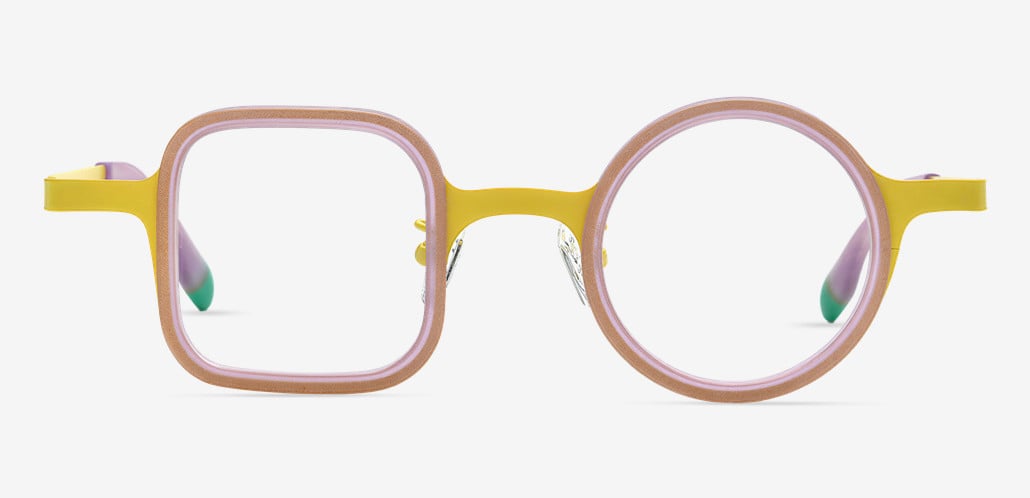
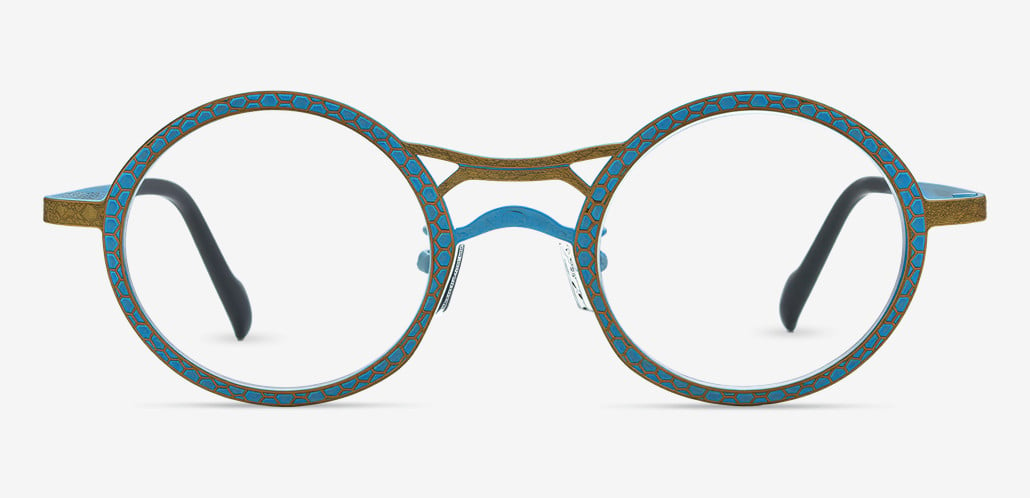
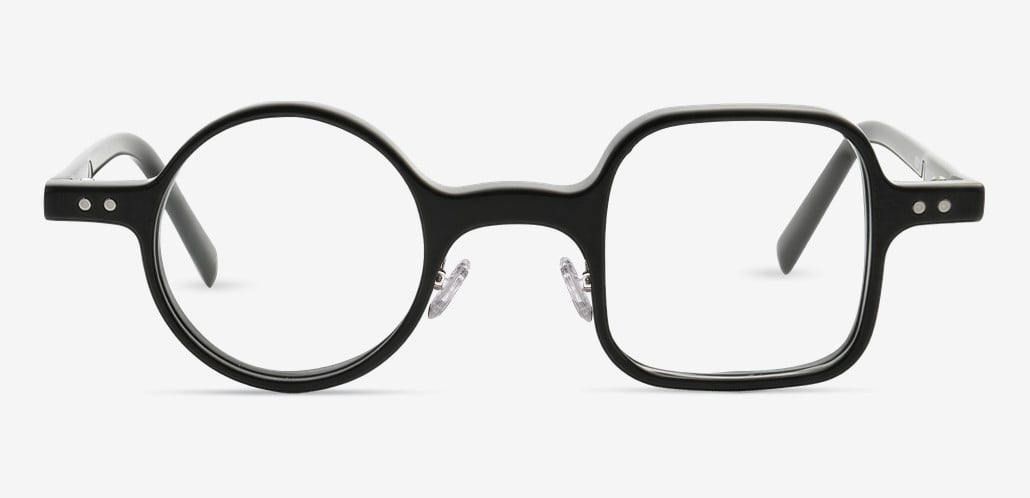
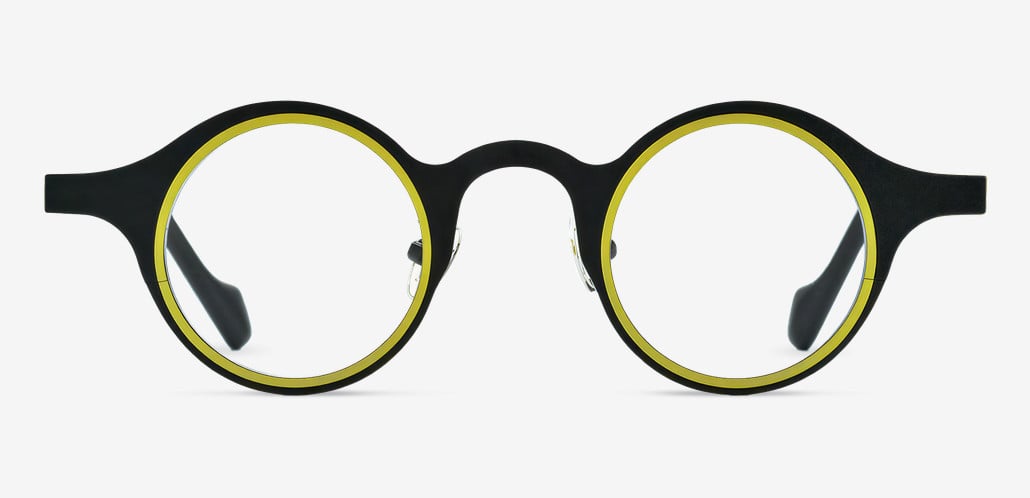
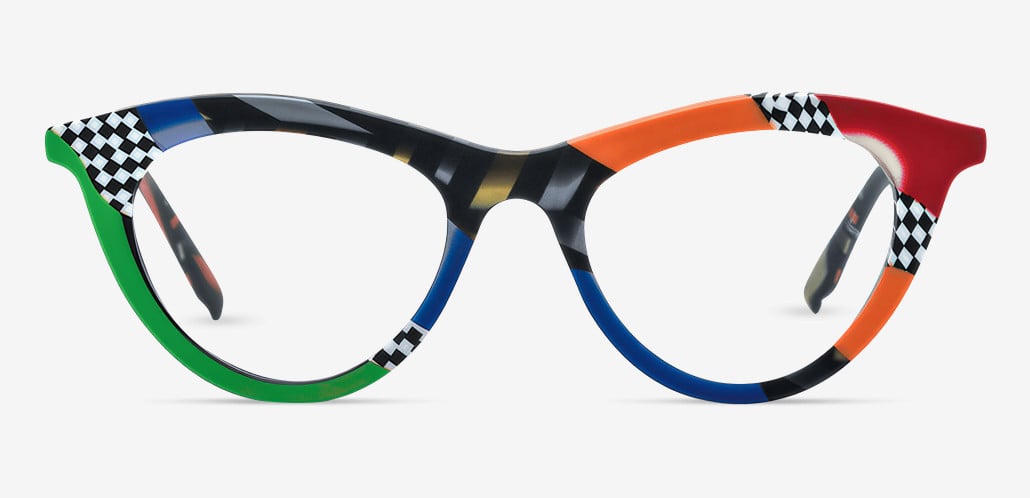
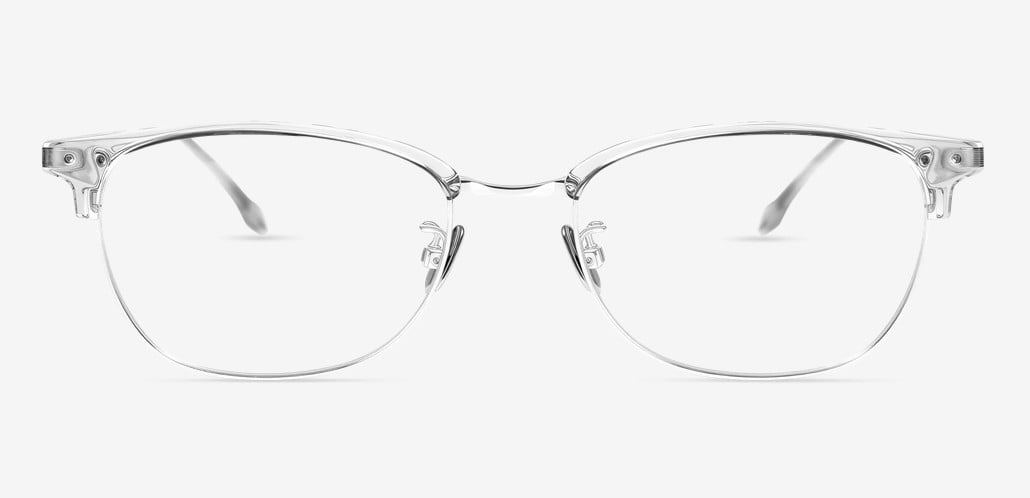
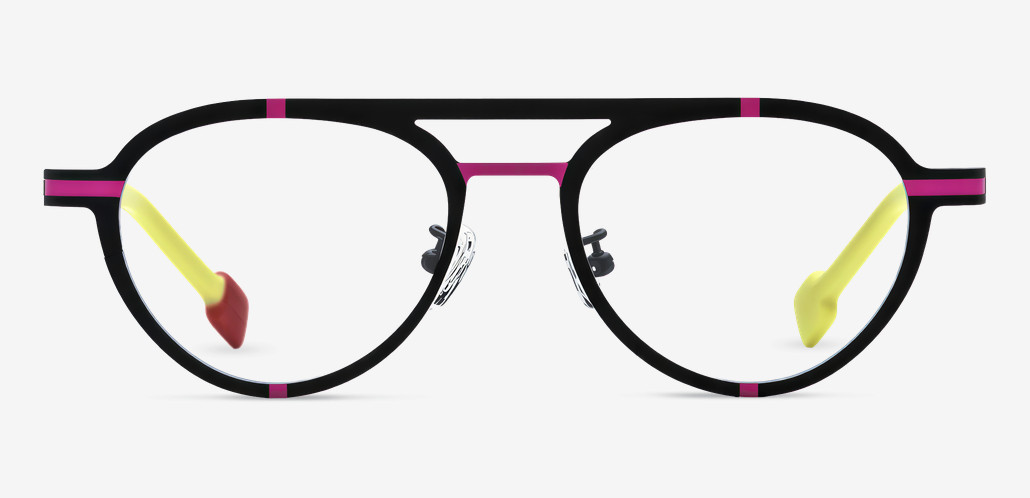
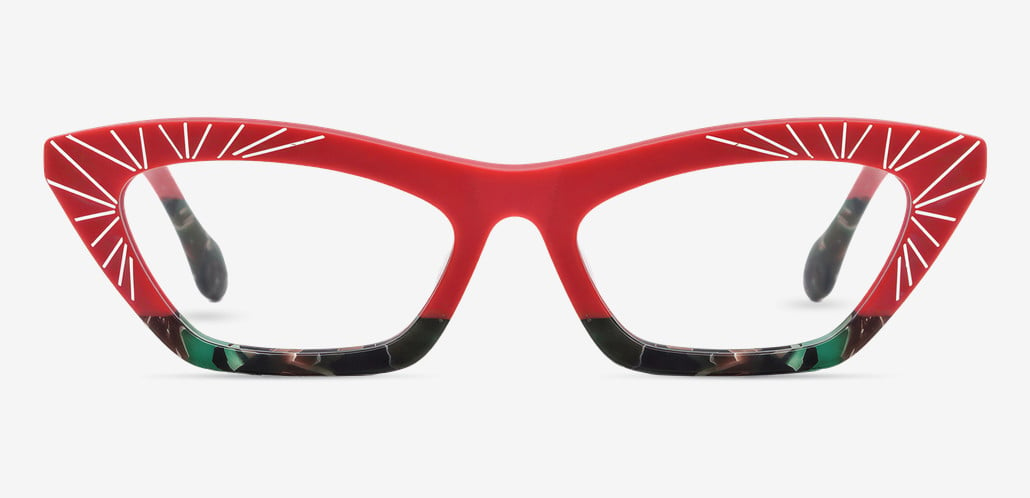
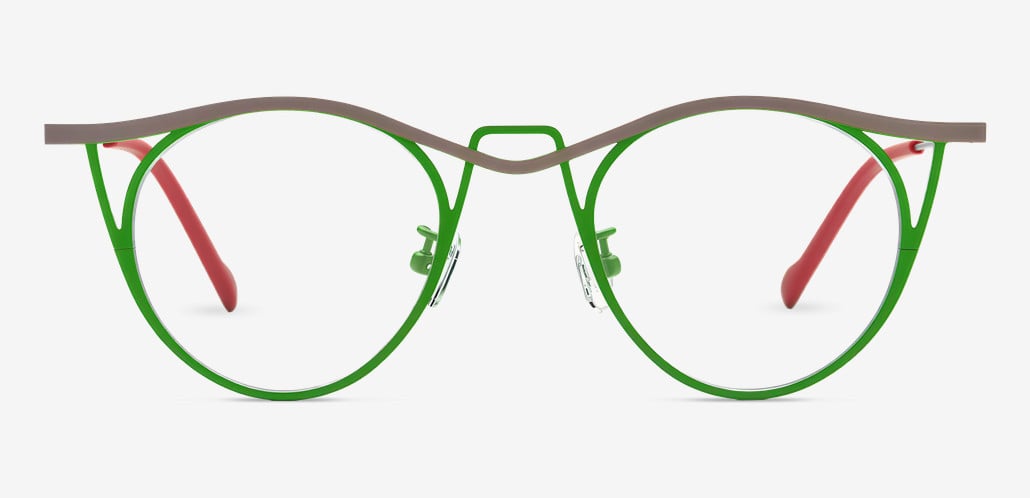
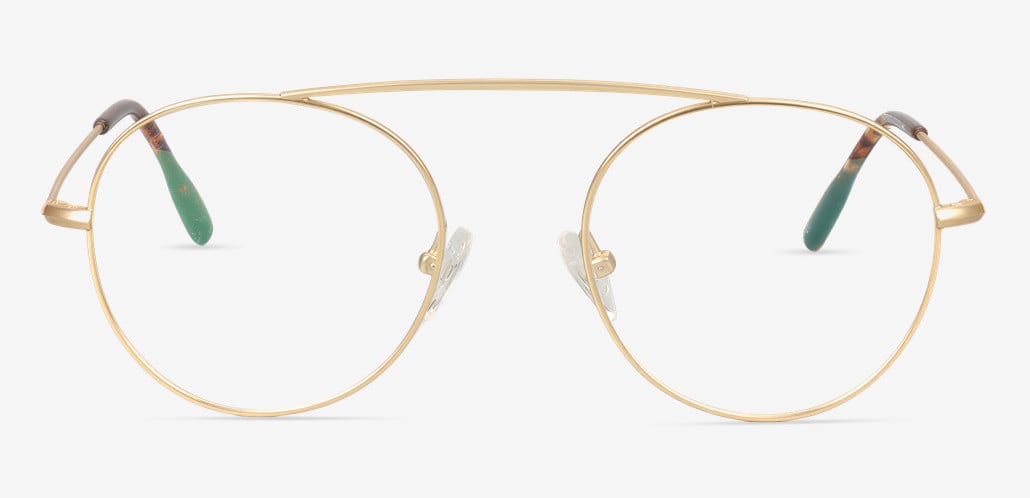
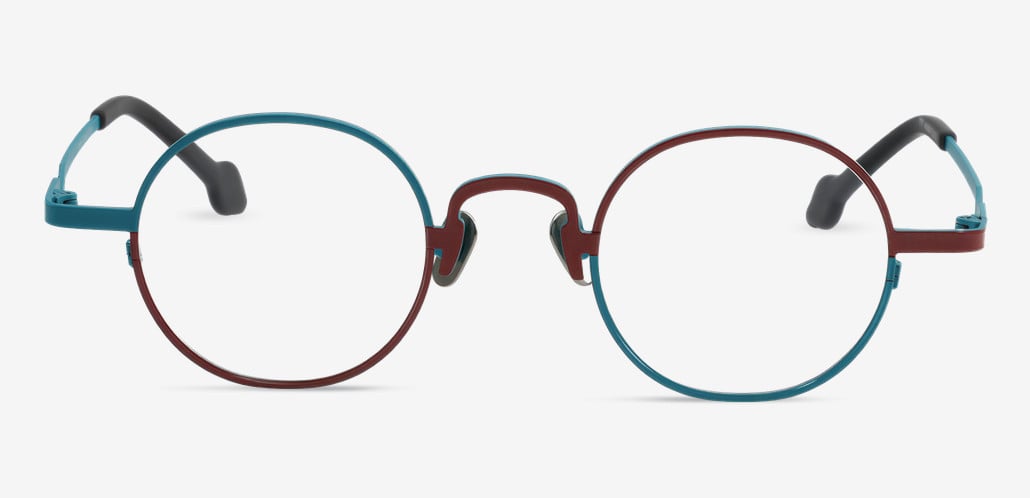
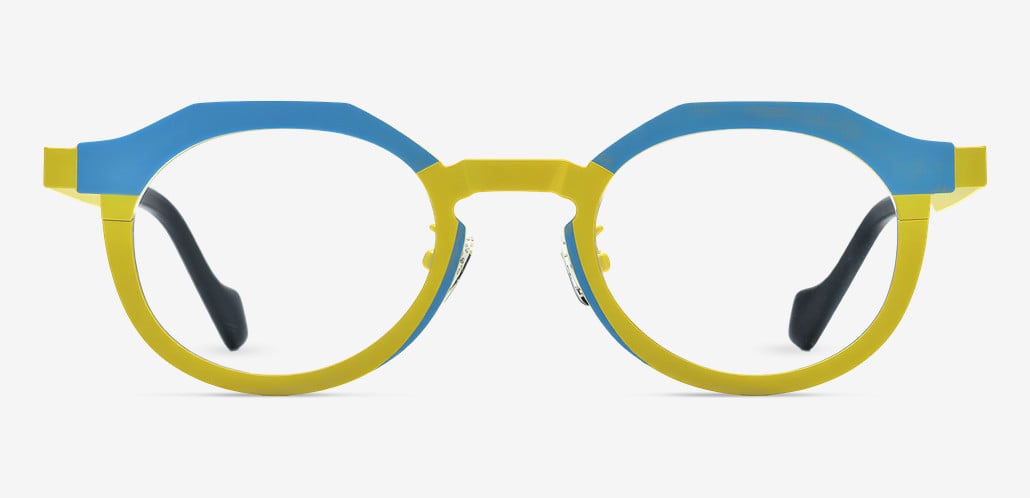
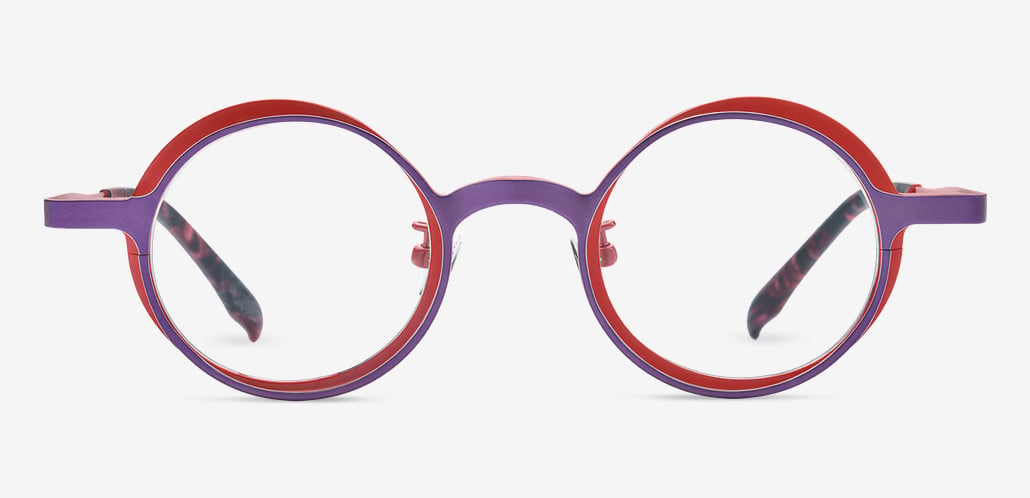
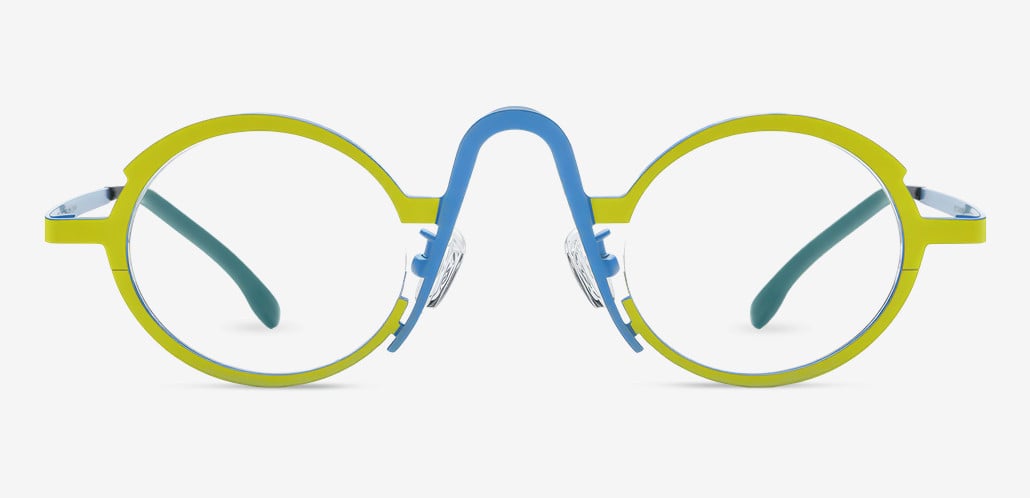
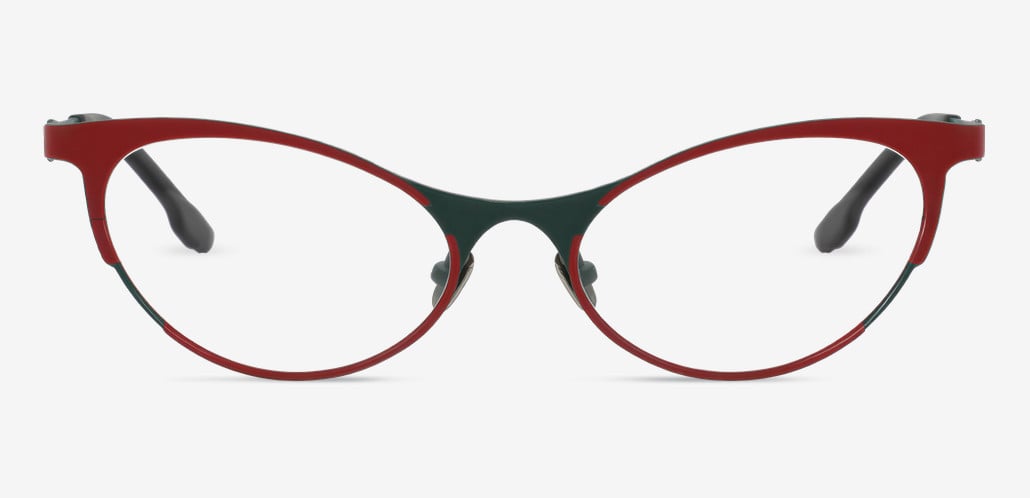
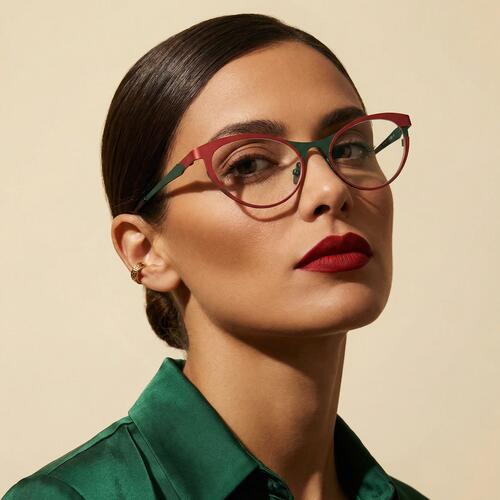
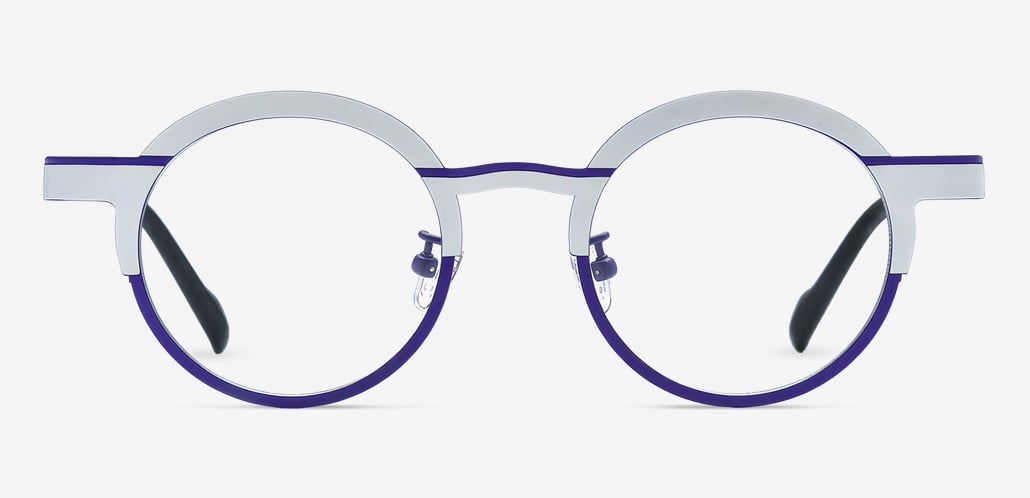
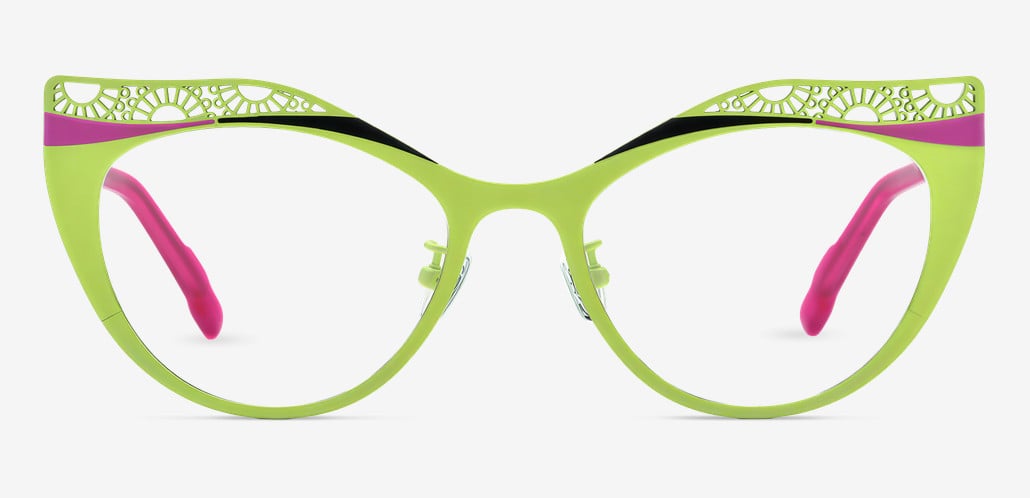
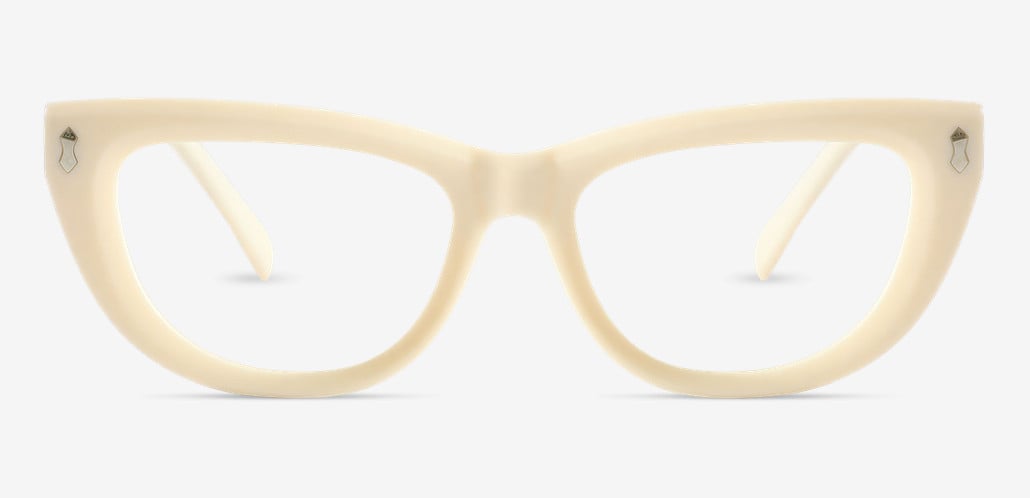
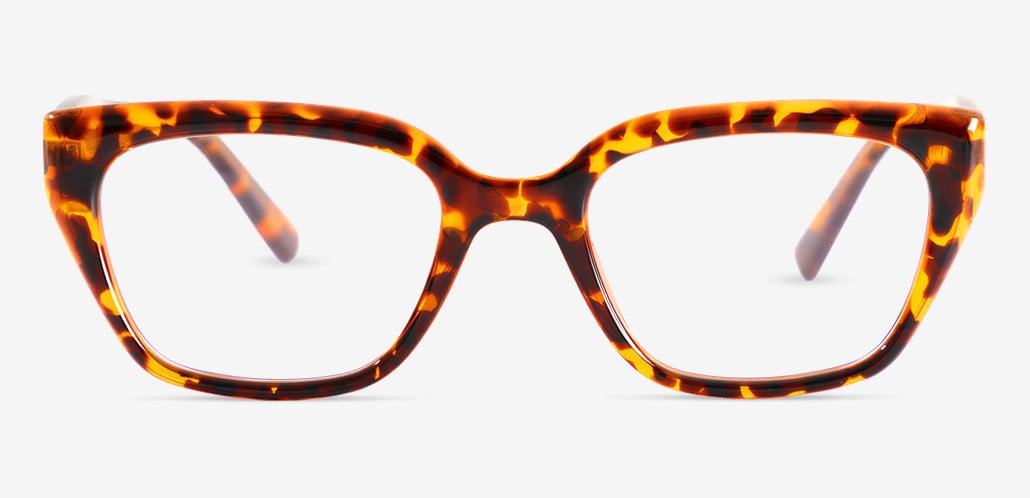
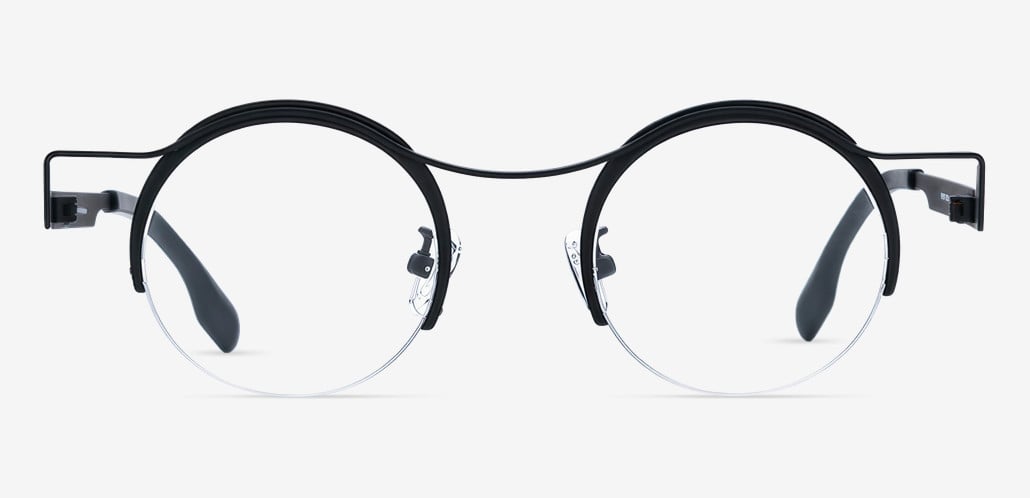
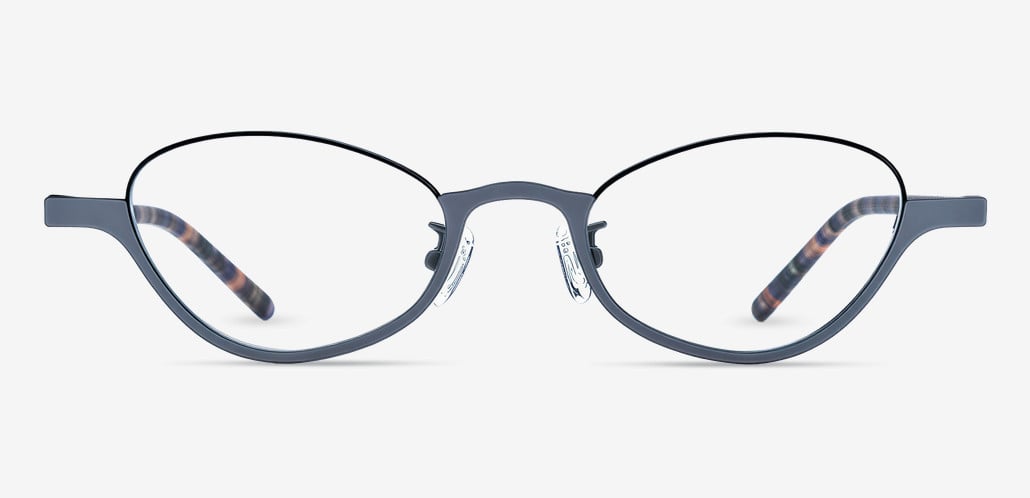
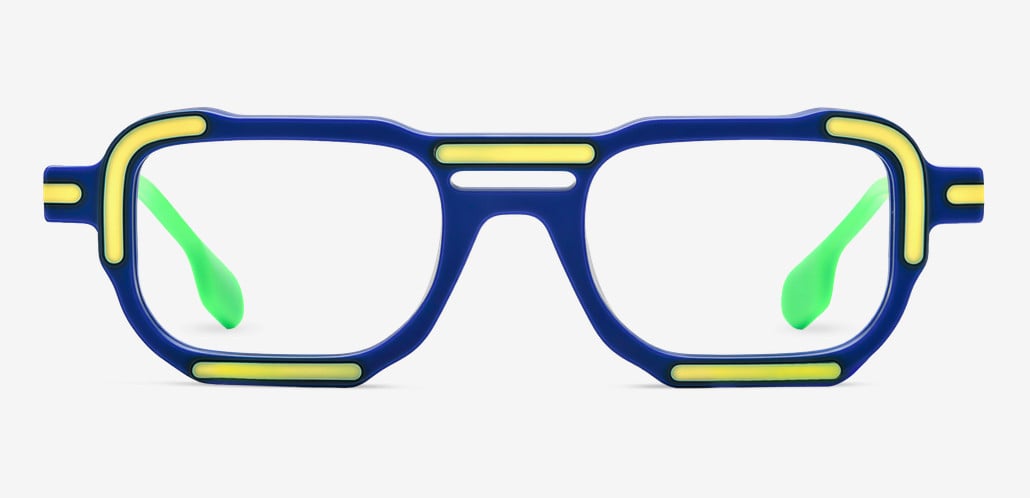
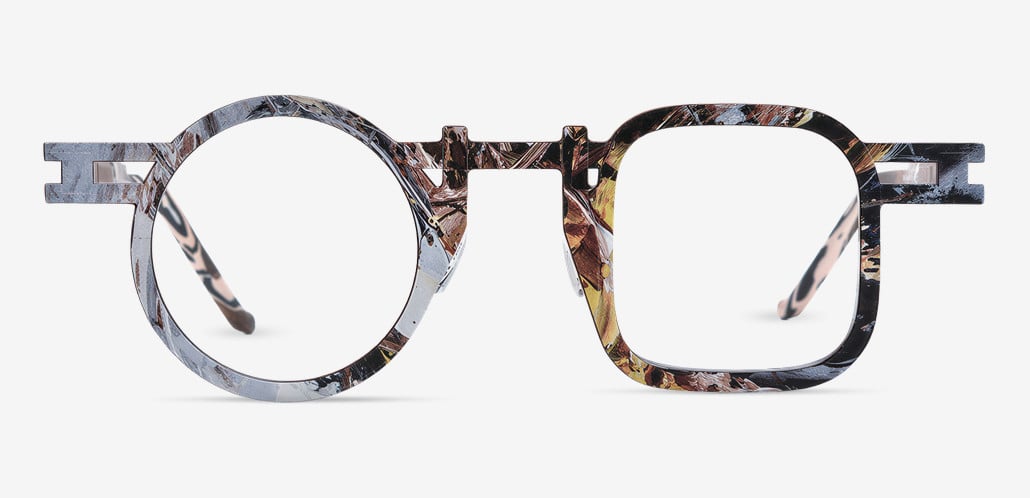
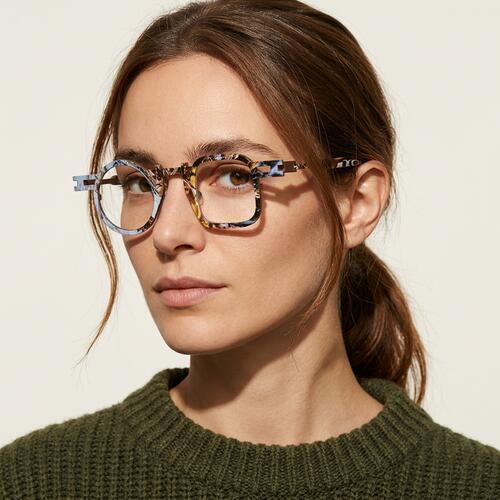
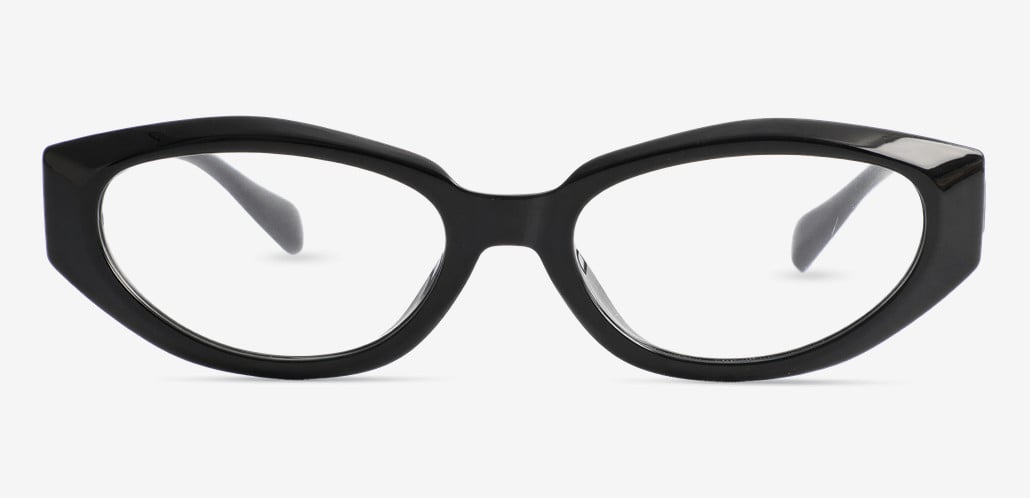
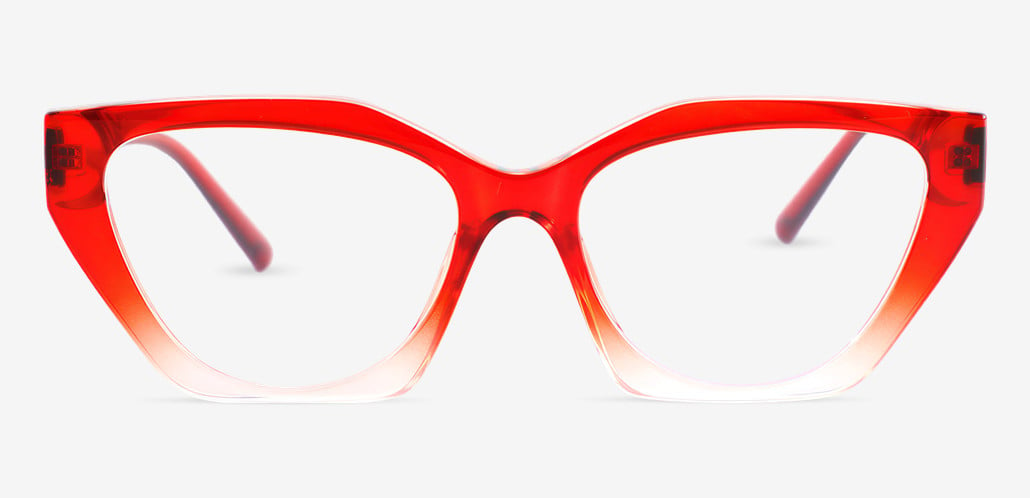
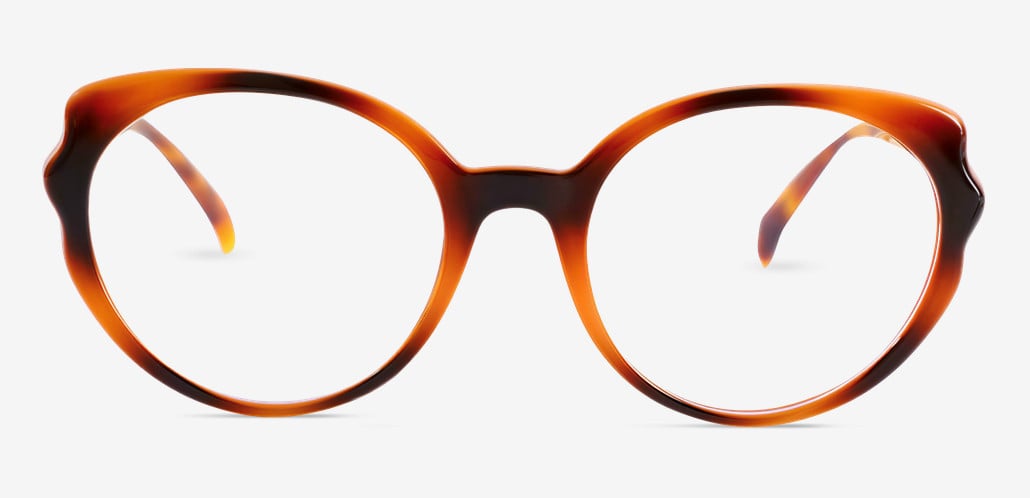
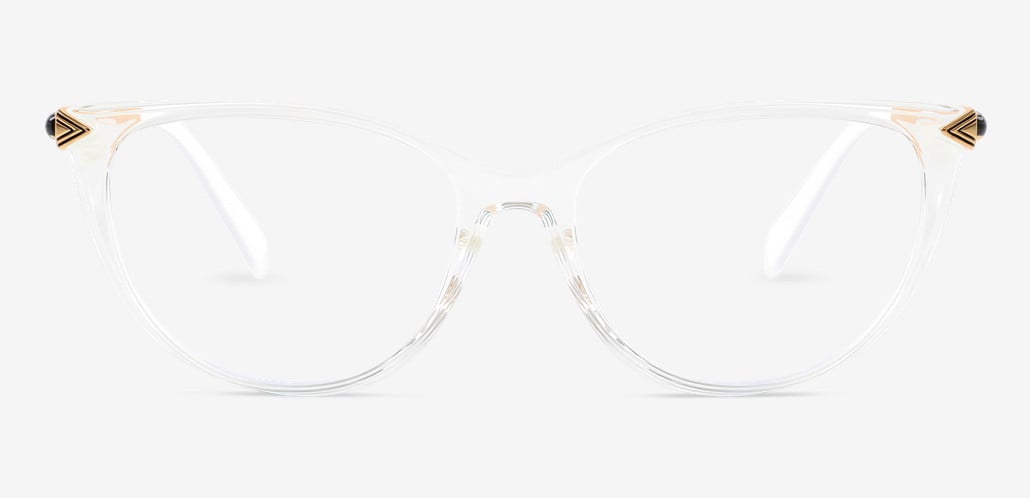
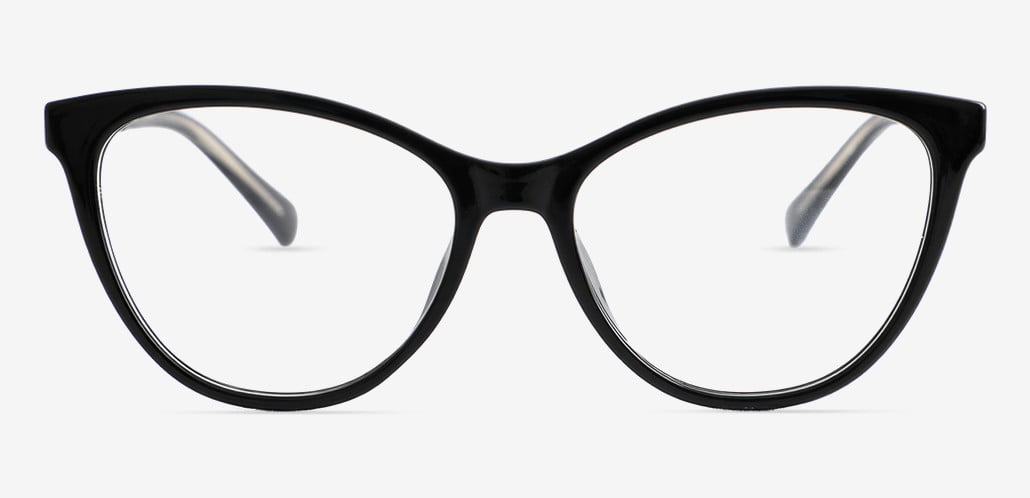
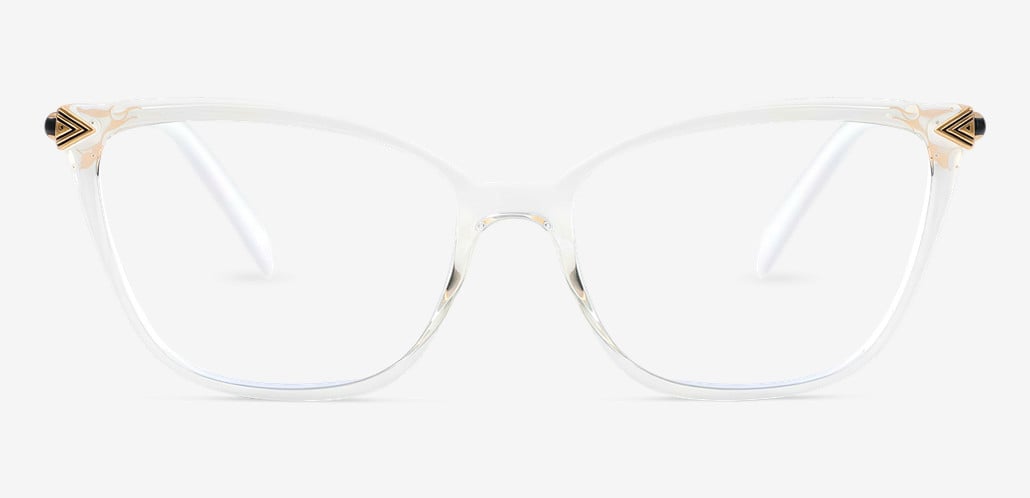
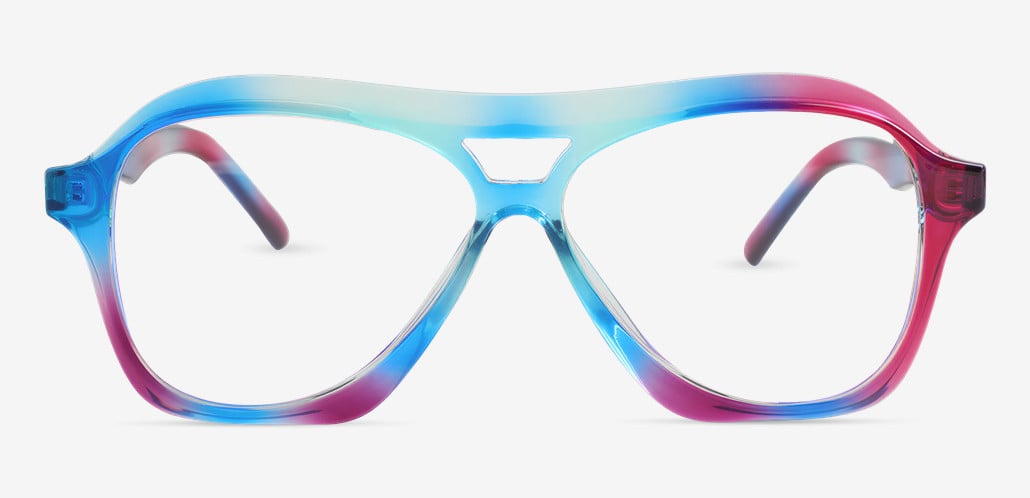
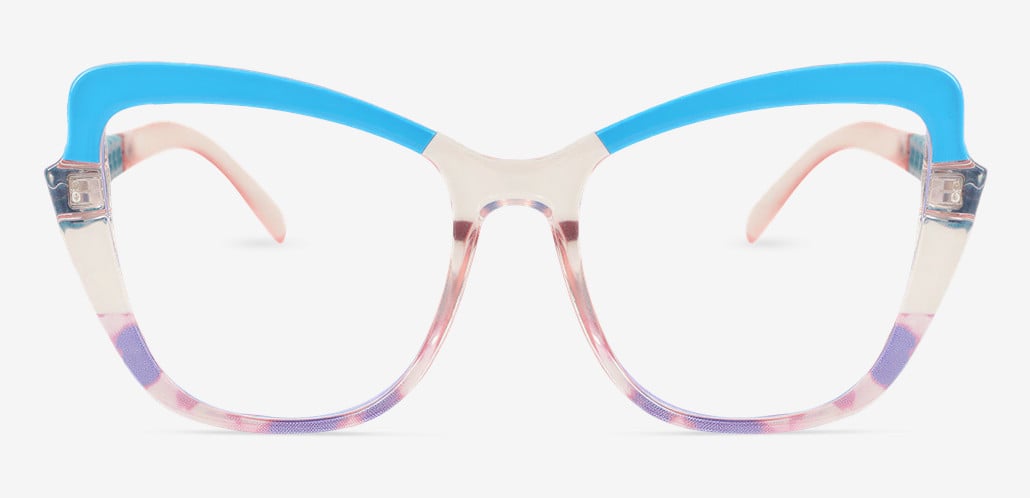
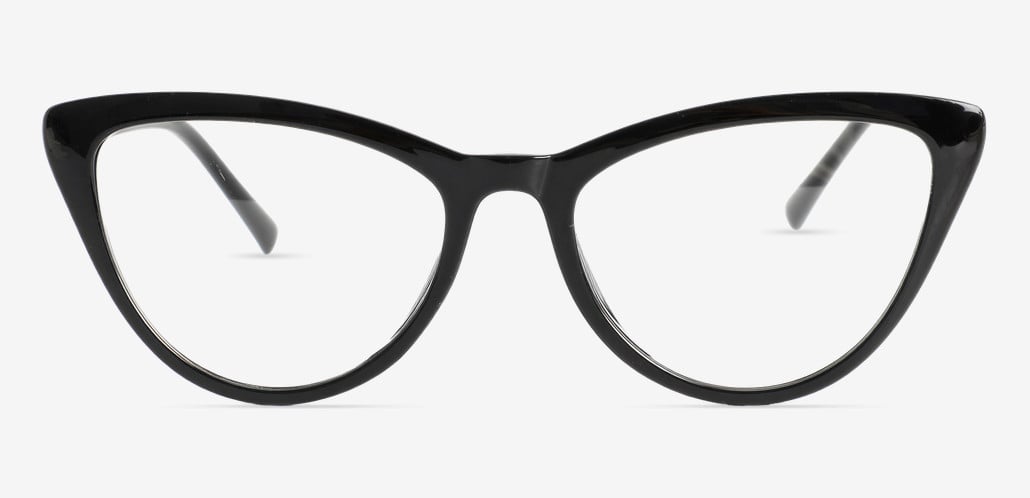
Vintage-style frames, grouped by the decade they borrow from. Every pair is newly made with full measurements listed, so you can match a shape you like to a fit you already know works. Use the Decade filter to narrow the grid, or try any frame on with Virtual Try-On before you decide.
How to Tell Which Decade a Frame Belongs To,Most vintage collections online are sorted by mood. This one is sorted by structure. Three things on a frame do almost all the work of dating it: the bridge, where the weight of the rim sits, and how tall the lens is relative to its width. Learn those three and you can date almost any pair you pick up; including the ones already in your drawer.
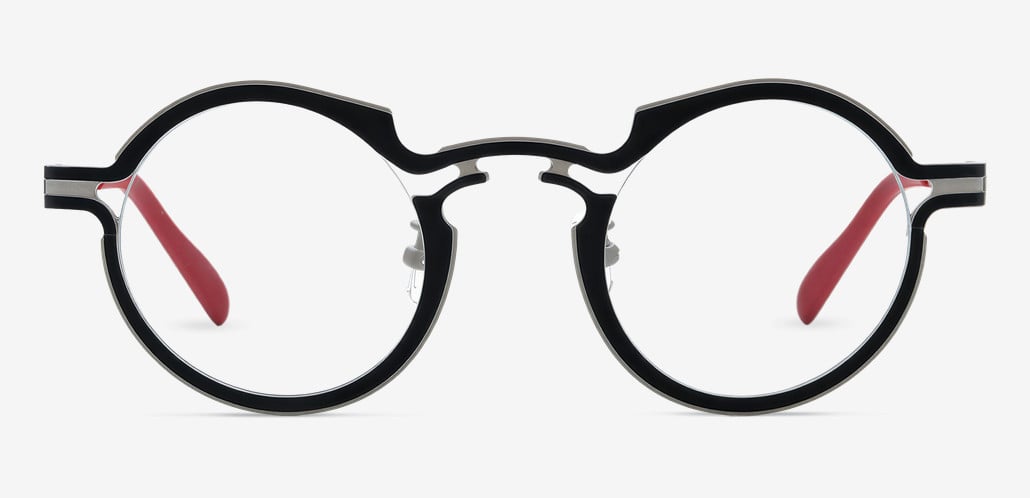
1. The bridge,A keyhole bridge — the notch that sits on top of the nose rather than around it ; points to the 1950s and 1960s. A smooth saddle bridge or a pair of adjustable pads on thin wire arms reads 1960s to 1970s. A second bar running straight across above the lenses is the aviator signature of the 1970s and 1980s.
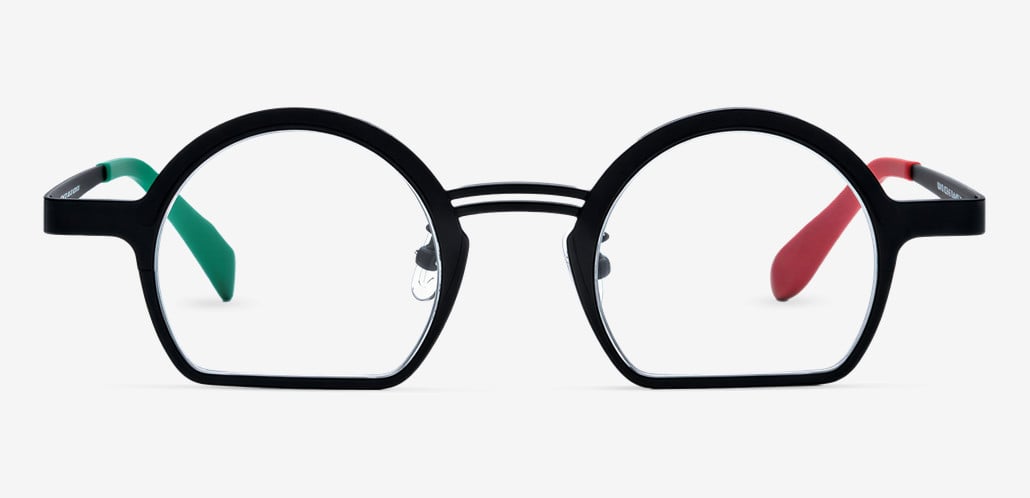
2. Where the rim is heaviest,If the top of the frame is noticeably thicker than the rest, and the lower half is thin wire or missing entirely, that is a browline — the single most recognisable mid-century shape. If the rim is the same weight all the way around and it is thick, you are looking at 1980s acetate. If the rim is barely there at all, that minimal wire look belongs to the 1990s.
3. Lens height against lens width,Divide the lens height by the lens width; both numbers are printed on the inside of most temples and listed on every Aoolia product page. Anything at 0.75 or above is a tall, round 1970s lens. Between 0.60 and 0.74 sits in the balanced middle. At 0.59 or below you have the narrow, letterbox lens the 1990s built its whole look around — and the one that most often surprises people, because it leaves far less room below the pupil than a modern frame does.
Vintage-Style or True Vintage? Two Different Purchases,Searches for vintage glasses split into two very different shopping trips,and it is worth knowing which one you are on. True vintage means an actual frame from the period, usually sold as a single pair by an auction listing or a specialist dealer. Deadstock means the same thing with one difference: it was never worn. Both can be wonderful, and both come with real trade-offs; one size only, acetate that has had decades to dry out, no return window, and a separate trip to have lenses fitted.Aoolia sells the other kind: newly made frames that carry the shapes and details of those decades. You get the silhouette, plus the things a sixty-year-old frame cannot offer — a range of widths, published measurements for every pair, Virtual Try-On, lens options at checkout, and a return window if the fit is wrong. Nothing on this page is presented as an original period frame, and nothing here is.
Where to Start If You Have No Reference Pair,Measure the width of your face at the temples in millimetres and compare it to the total frame width listed on each product page. Staying within about four millimetres either side is the safest range. From there, pick a decade by how much attention you want the frame to draw: 1990s wire and narrow lenses sit quietest, 1960s to 1970s round metal reads deliberate but soft, and 1950s to 1960s browline or upswept shapes are the boldest of the set.
Read More