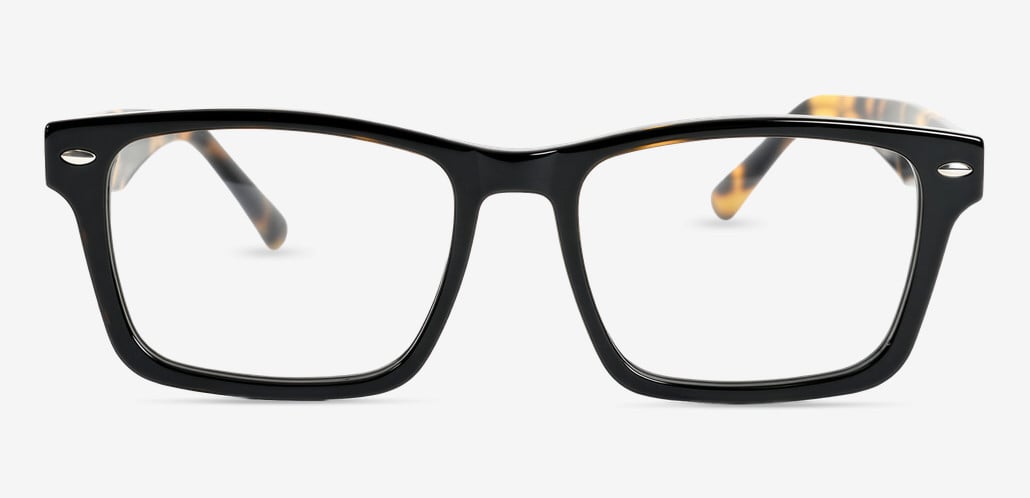
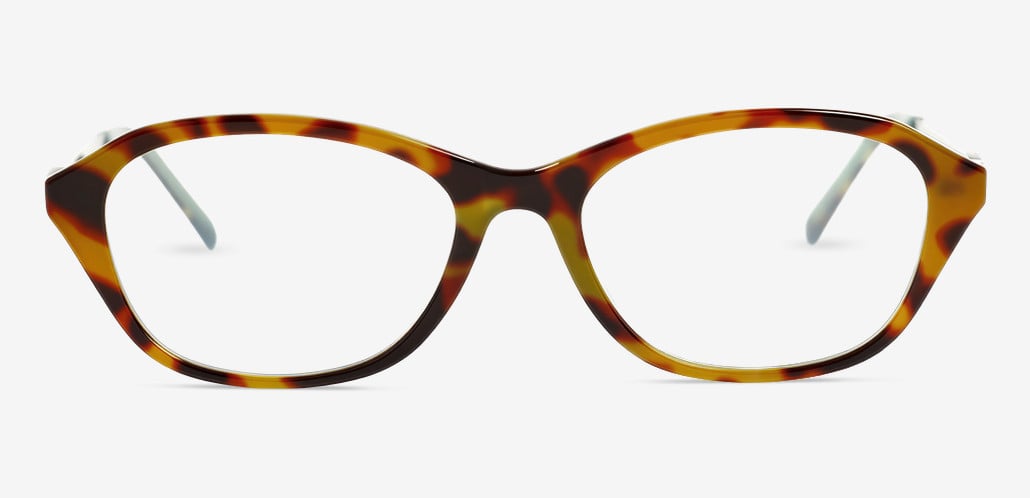
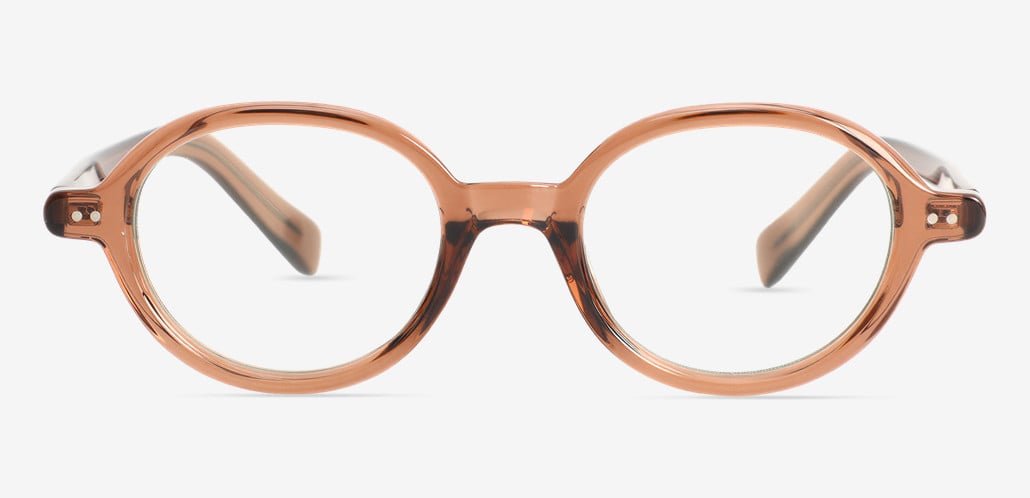
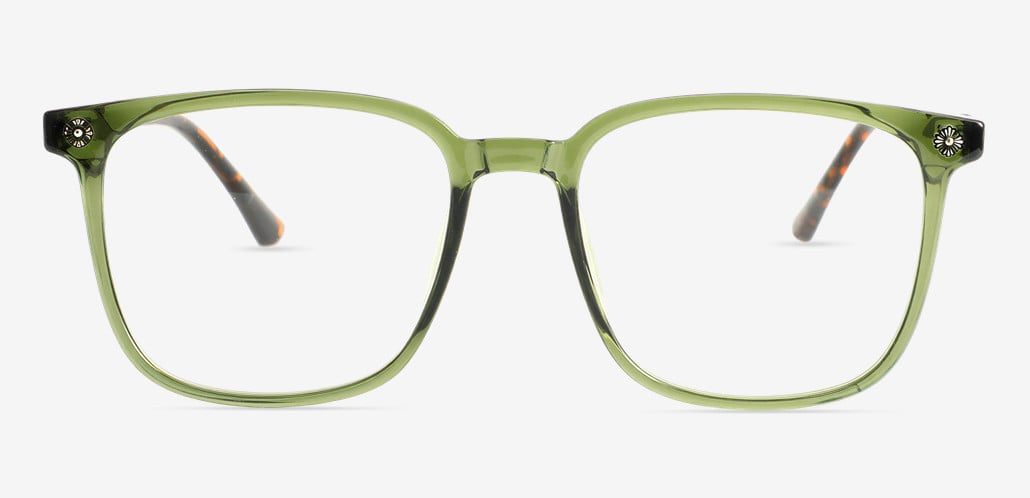
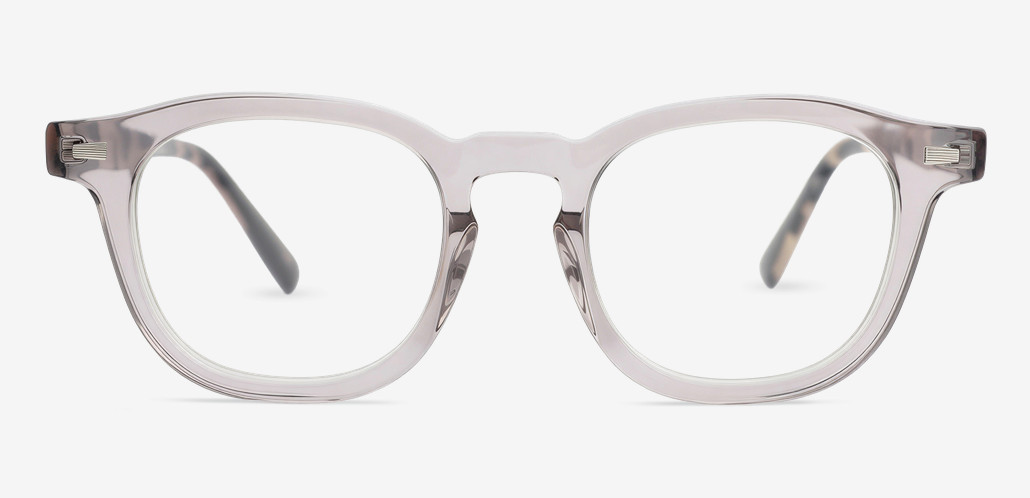
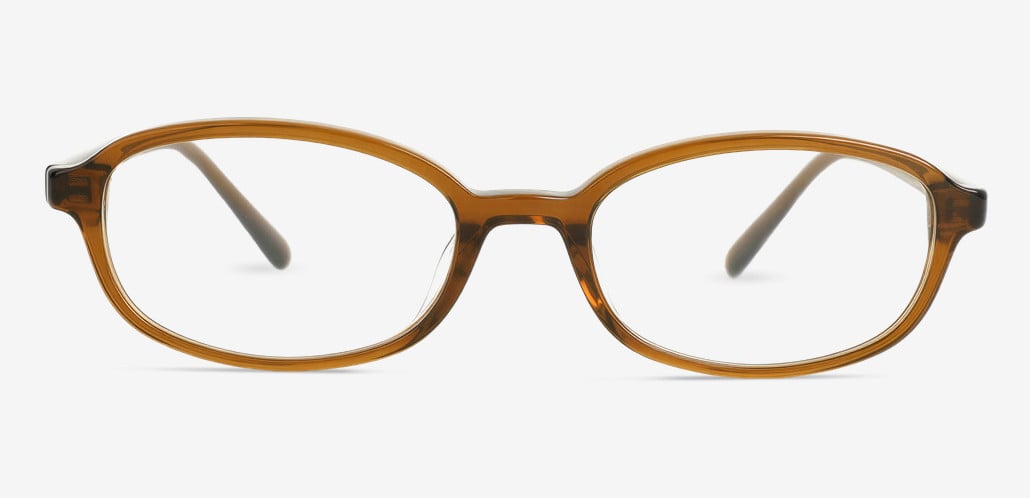
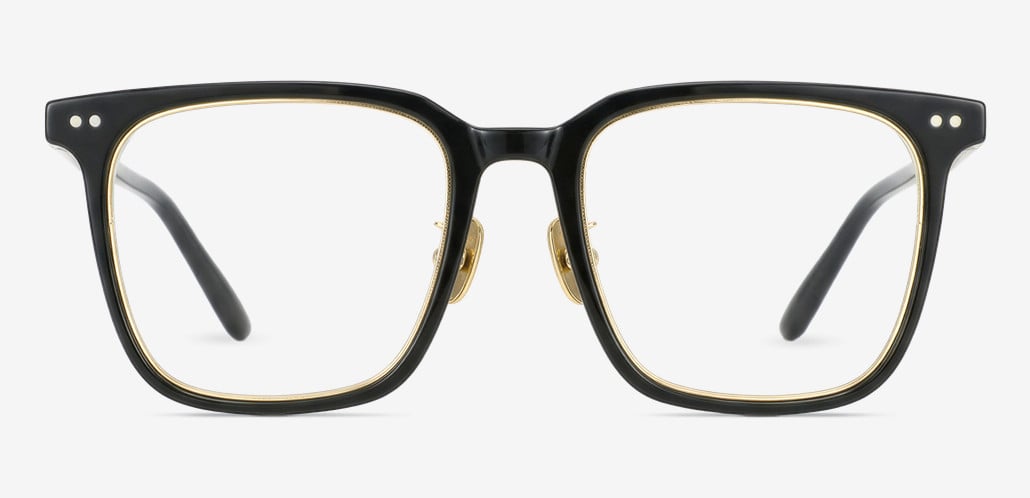
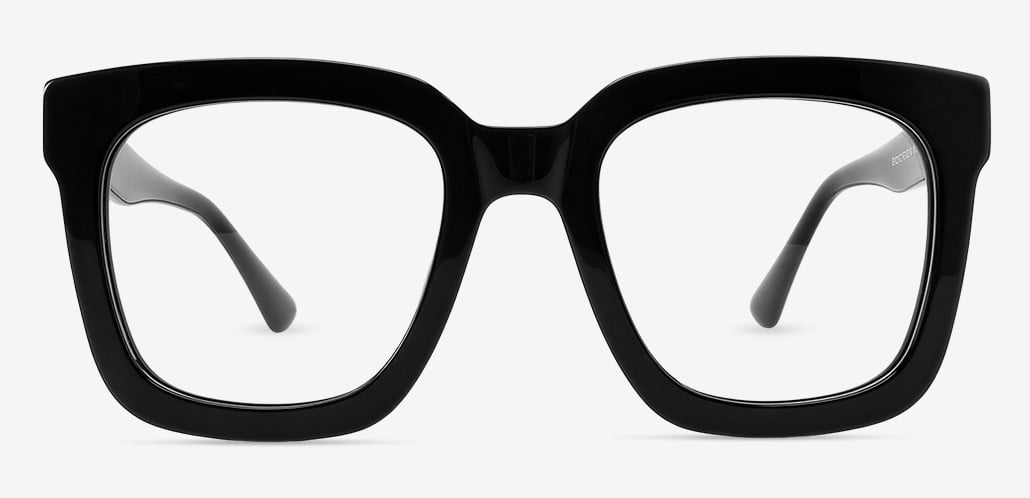
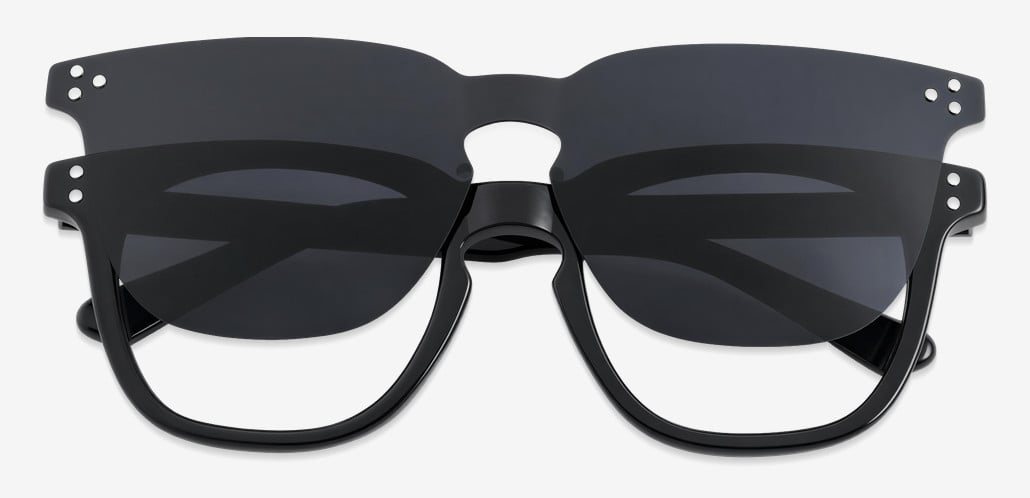
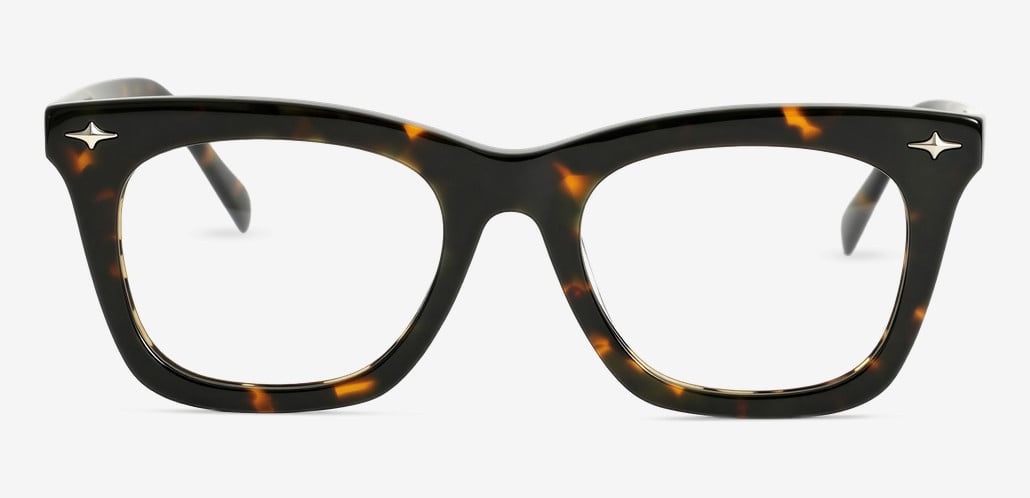
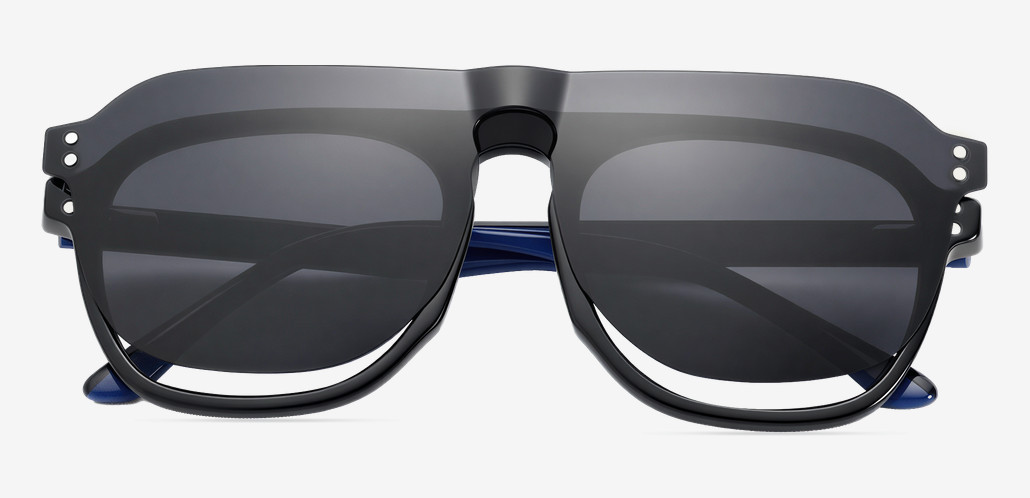
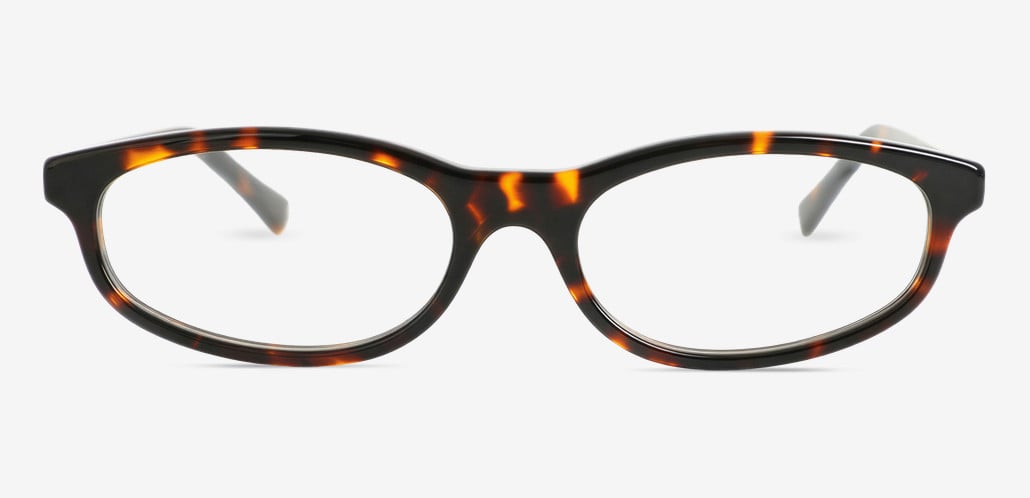
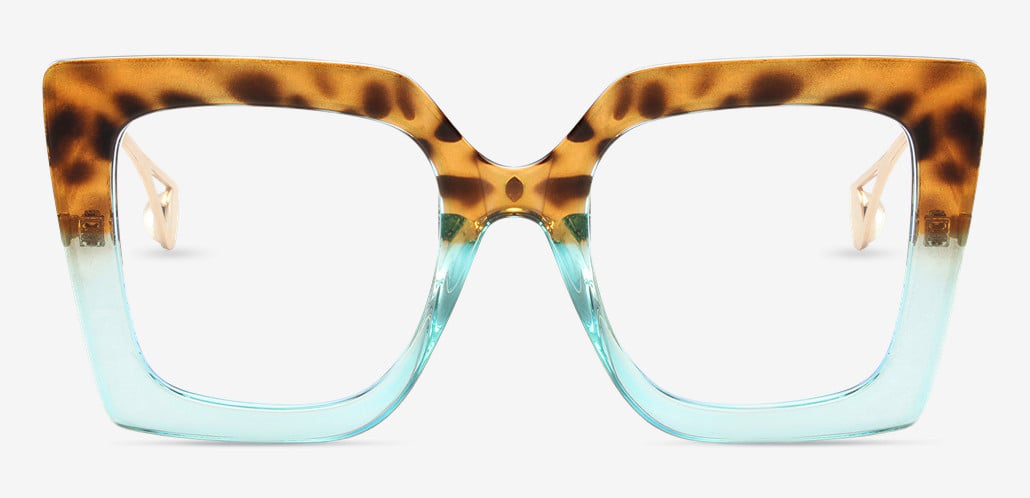
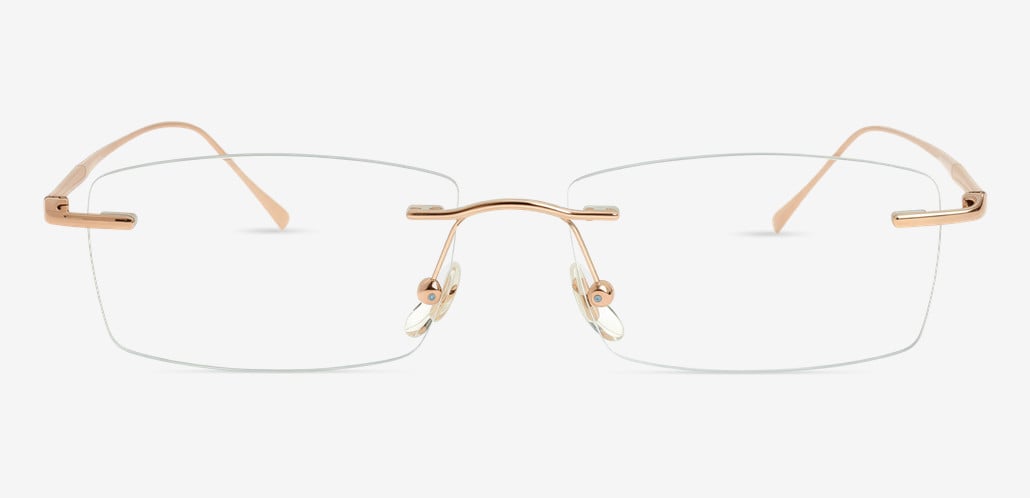
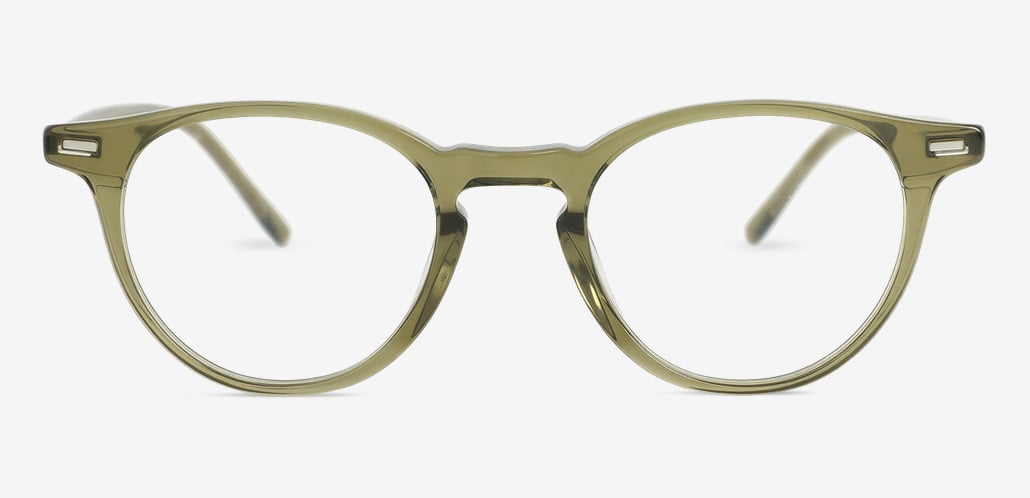
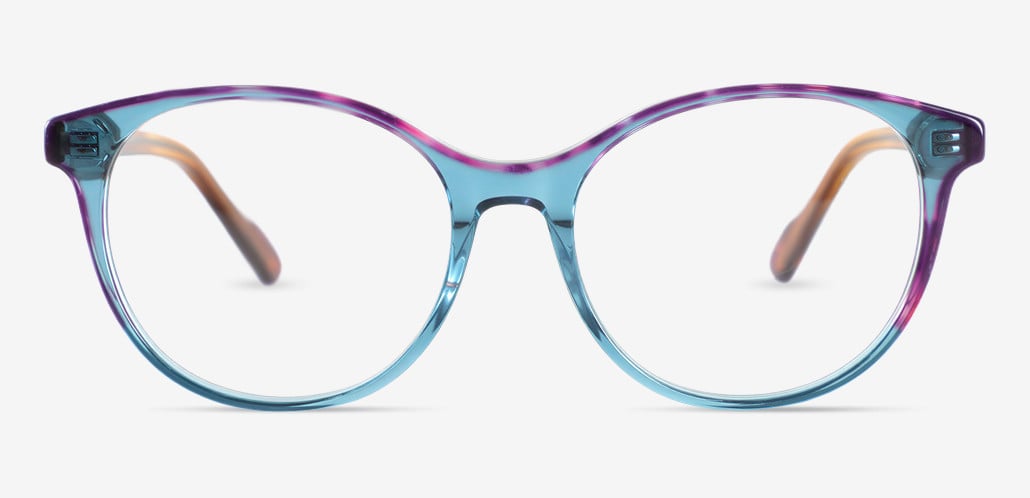
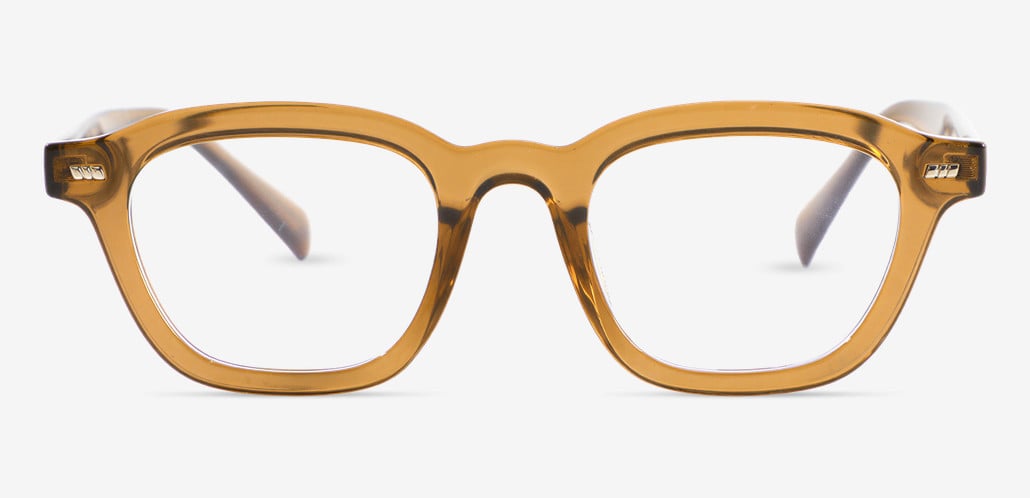
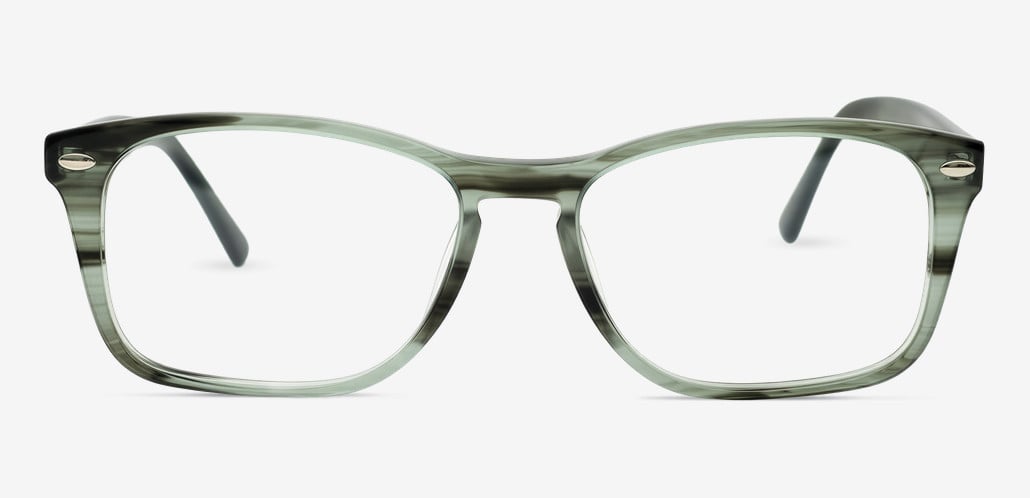
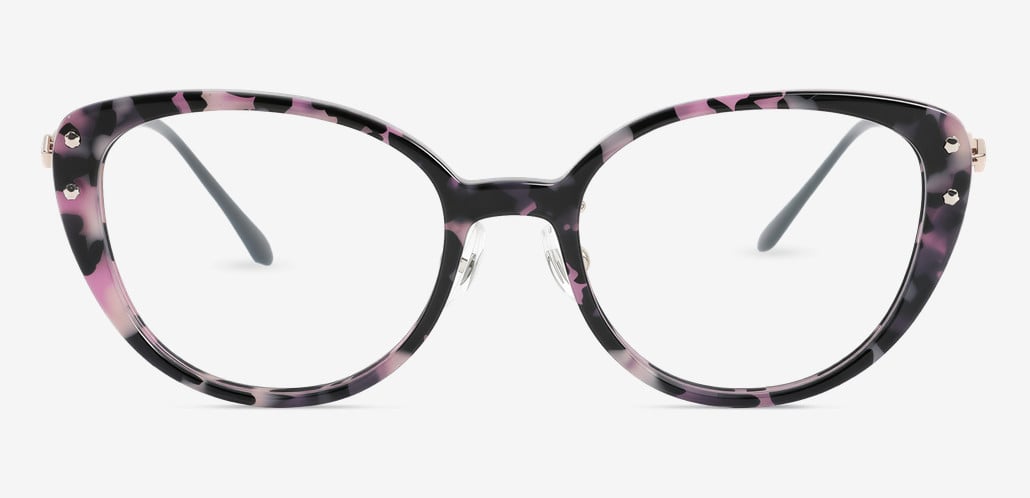
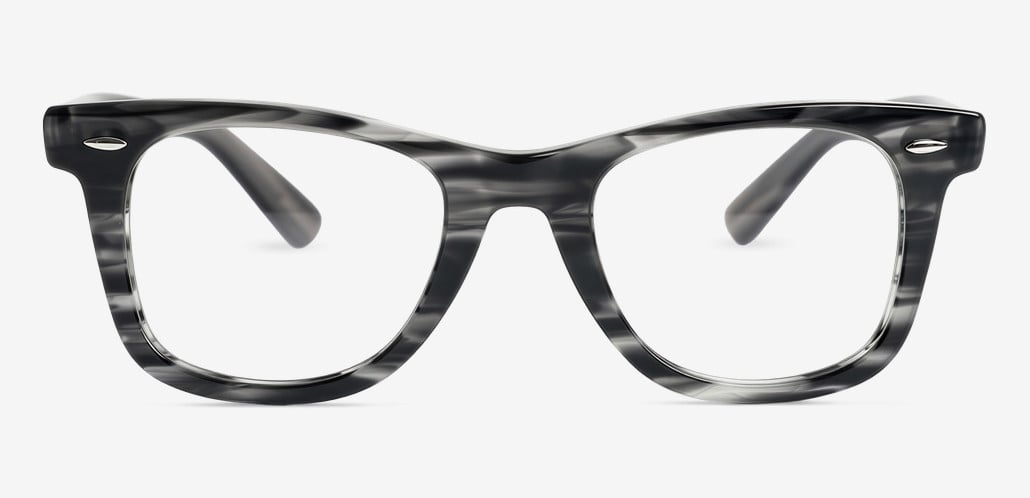
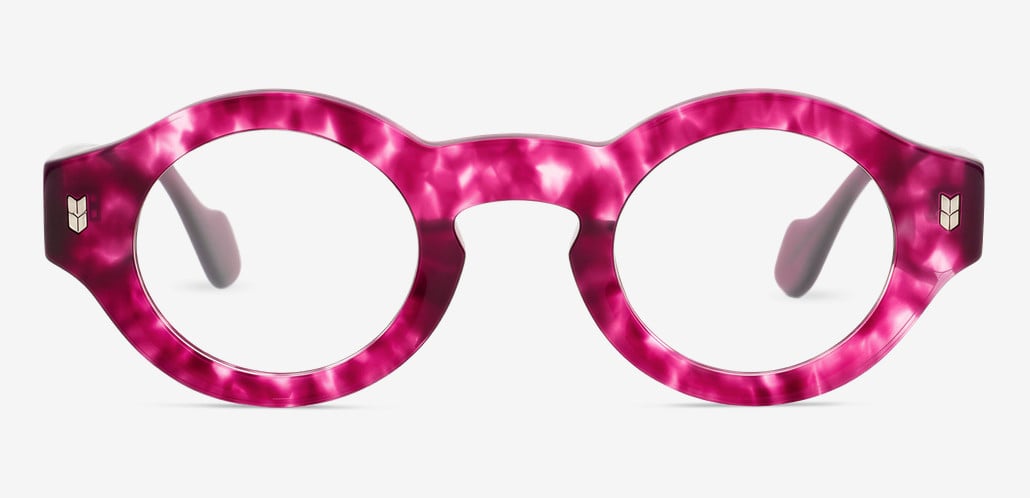
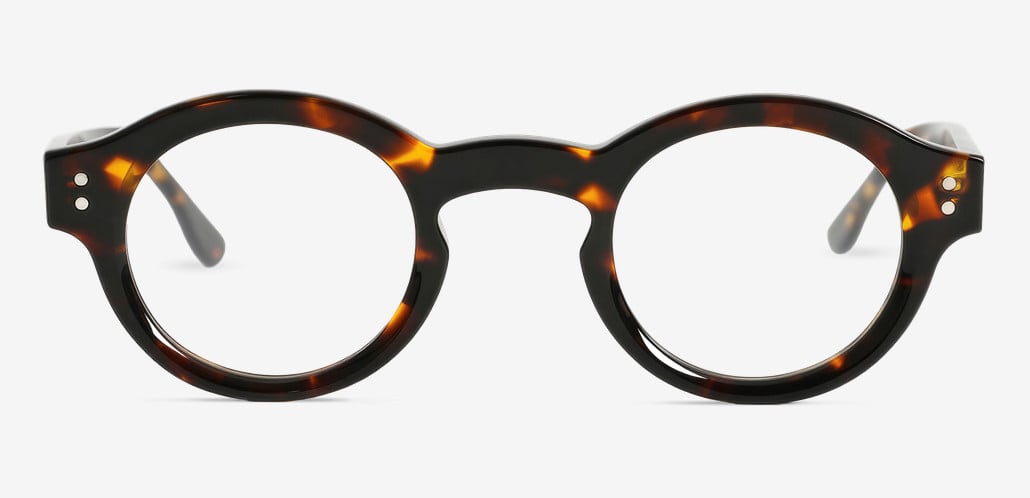
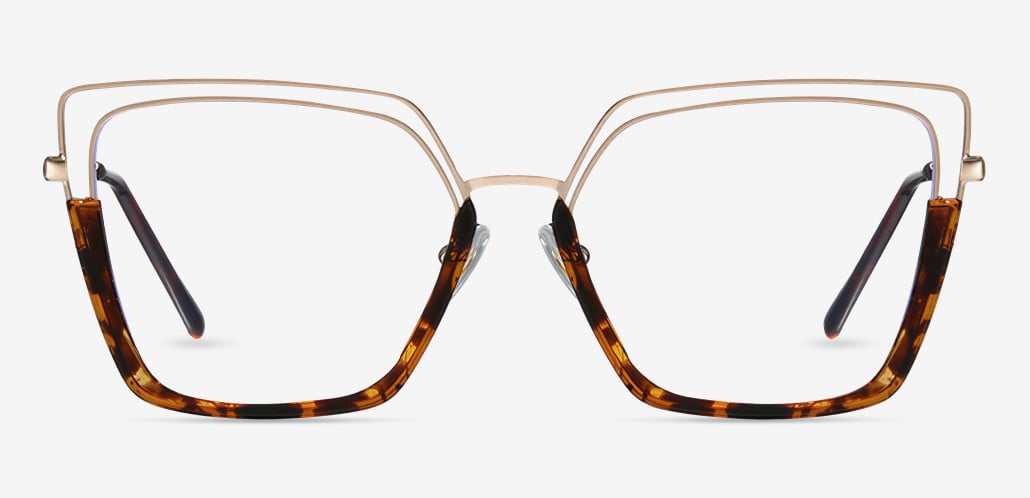
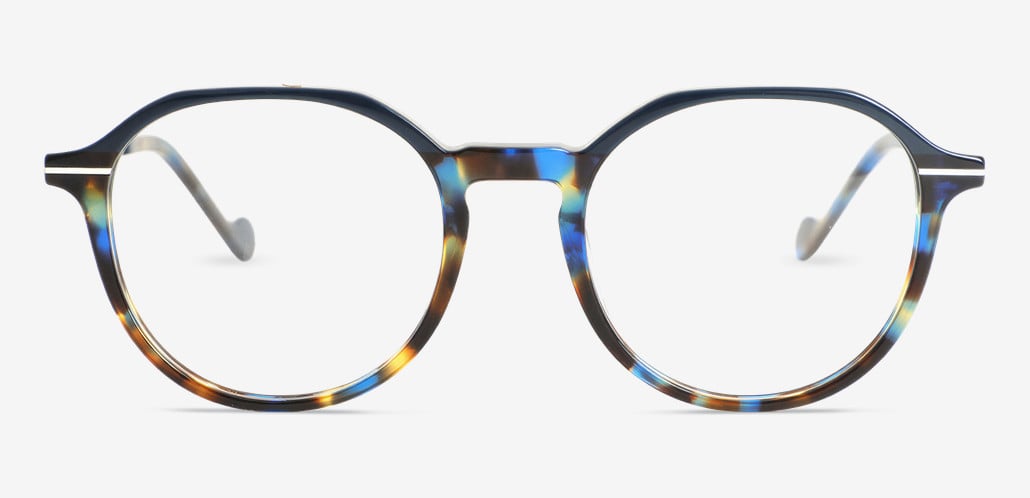
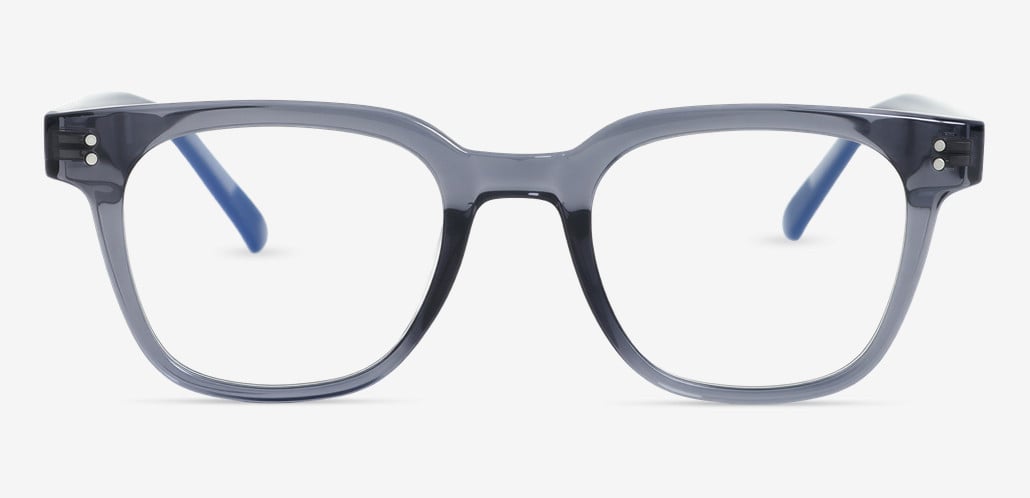
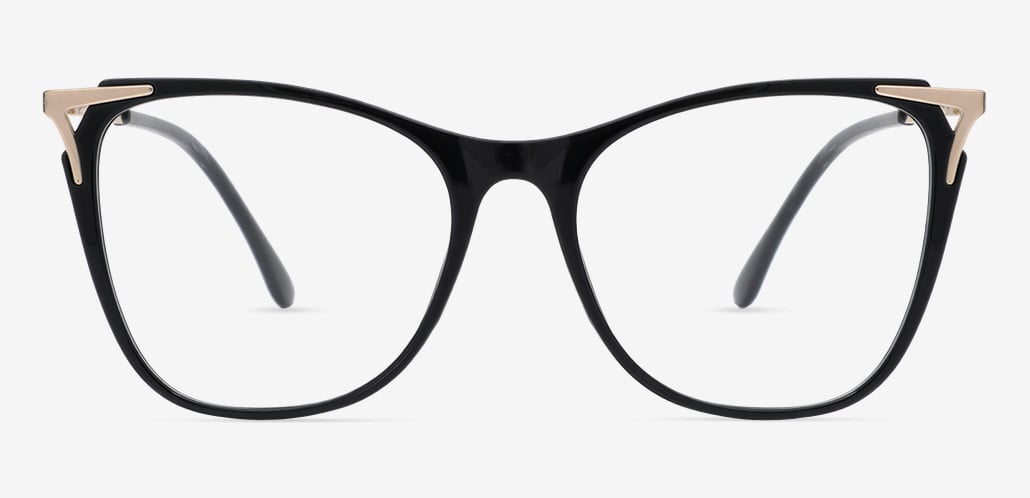
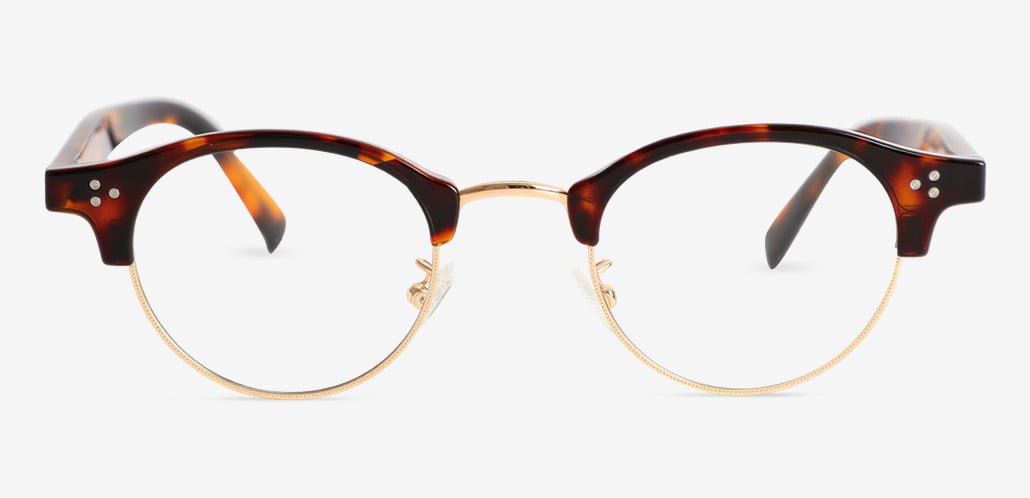
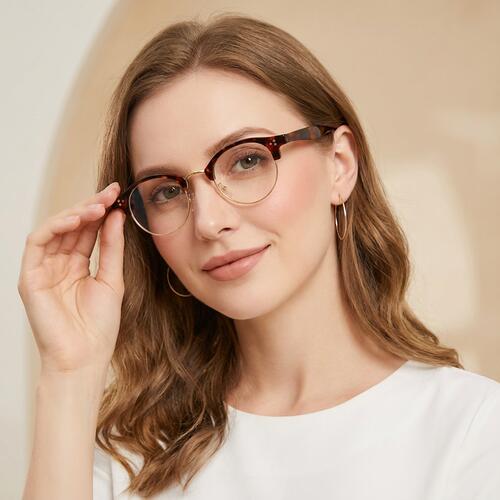
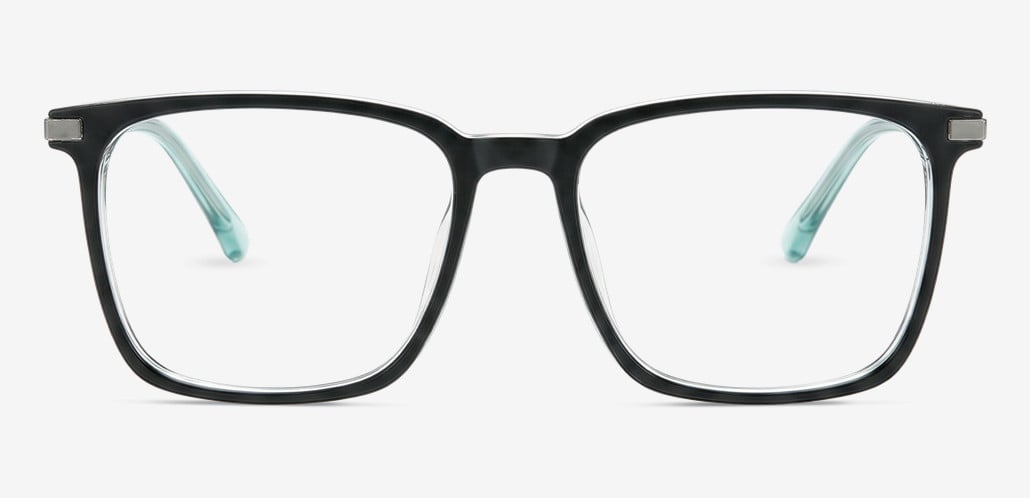
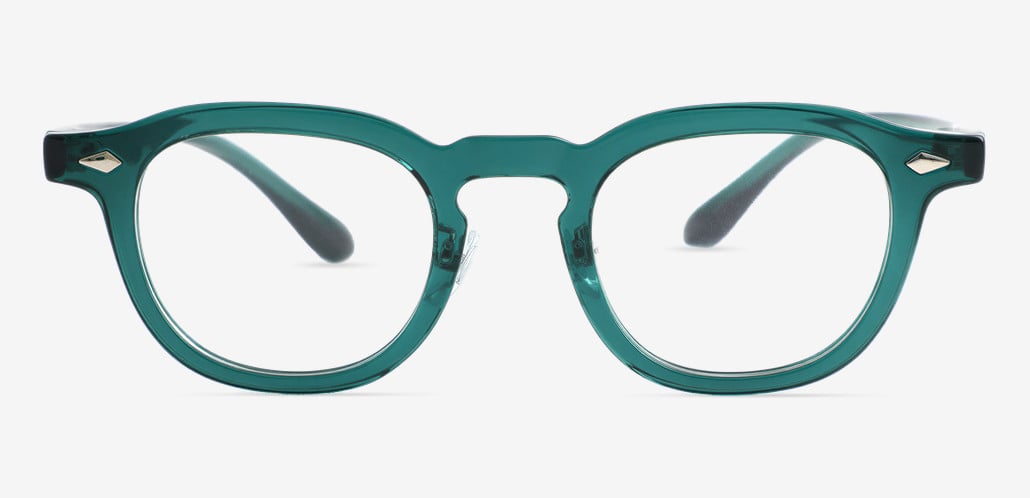
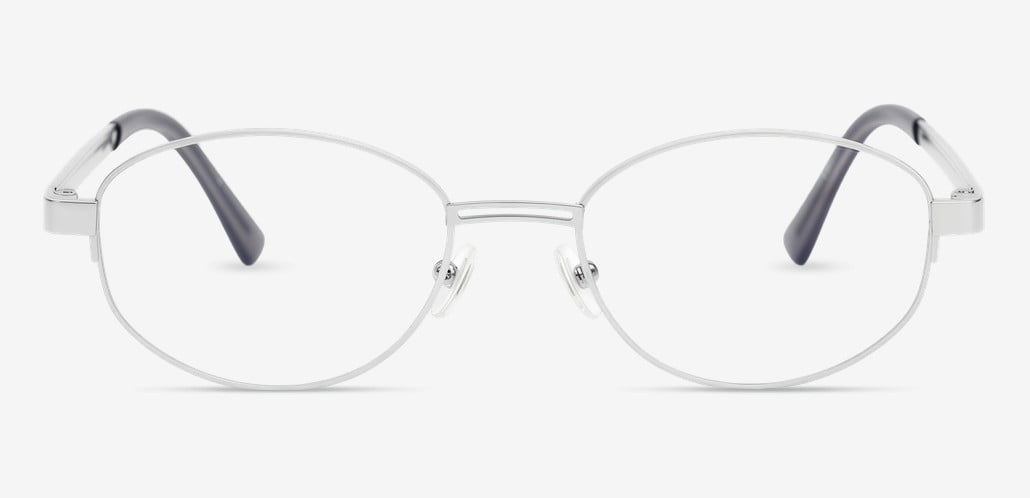
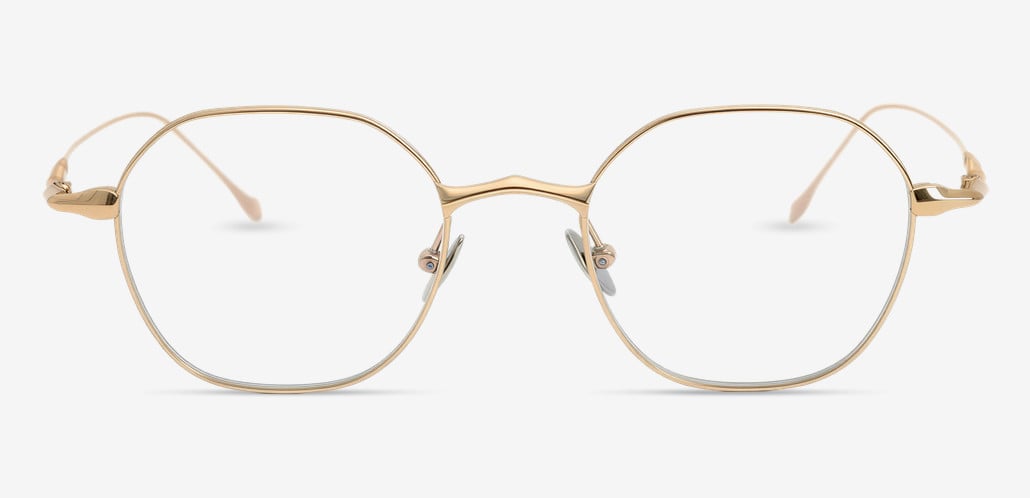
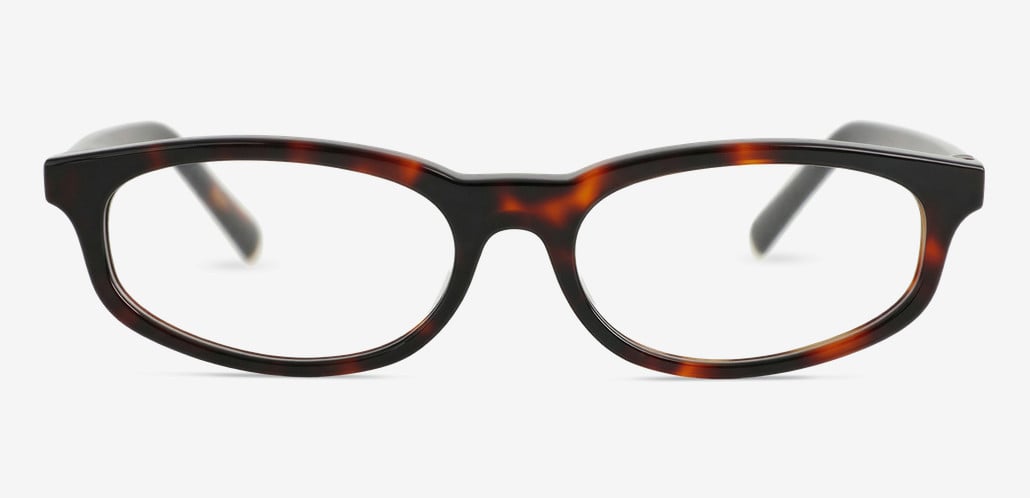
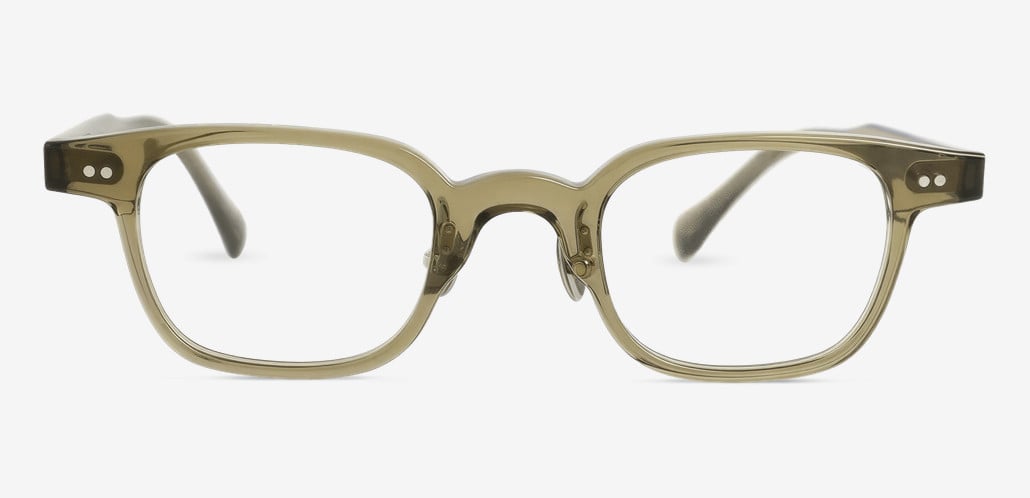
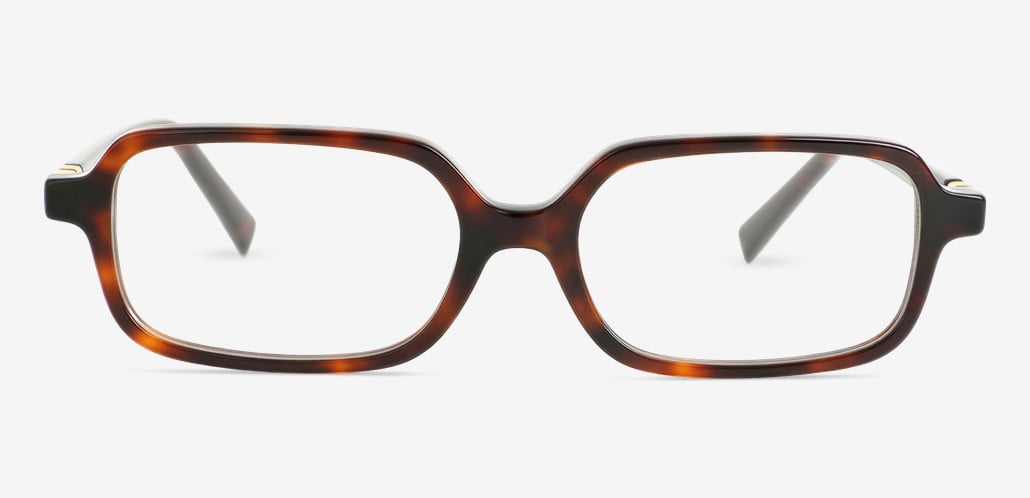
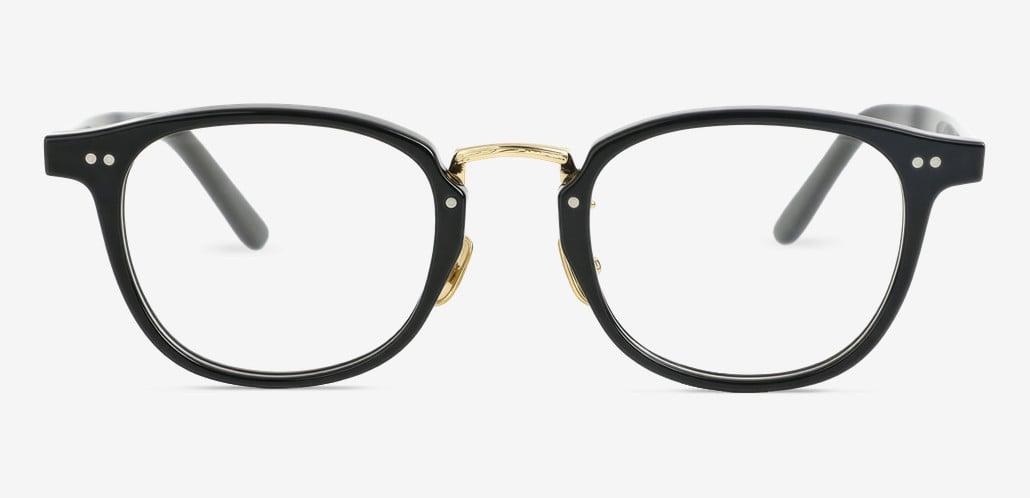
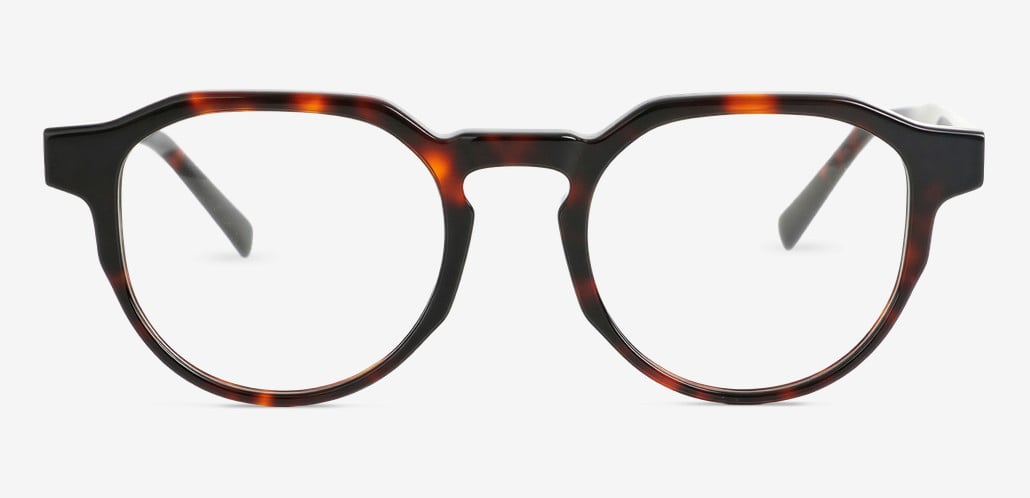
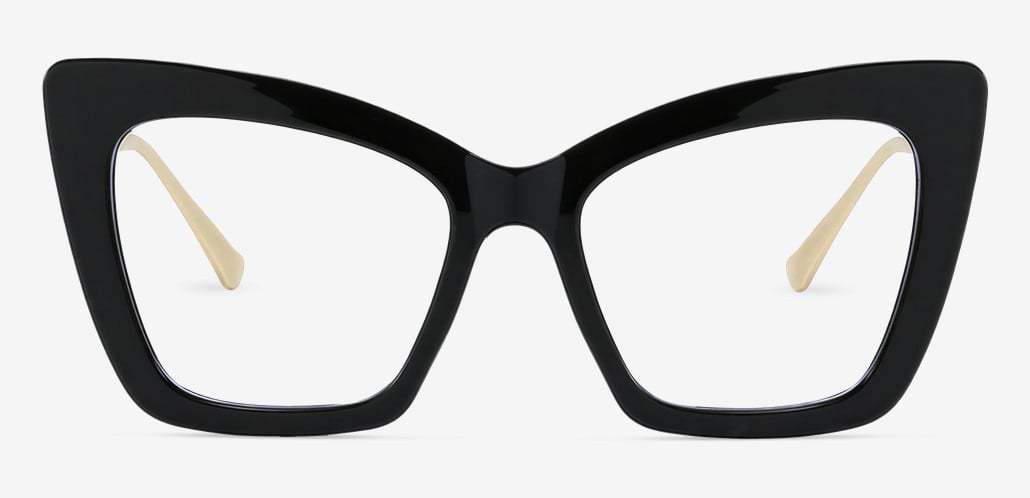
Progressive readers give you one pair for close-up, arm's-length, and everything past it — no visible line, no prescription required. Pick a frame from more than 800 styles starting at $6.95, choose your reading power, and every lens is checked by a qualified optician before it ships.
What Progressive Readers Actually Do,A standard reader has one power across the whole lens.Look up from your book and the room goes soft. A progressive reader changes that: the top of the lens is left clear, and the magnification builds gradually as your eye travels down. Somewhere in the middle sits the intermediate zone — the one that matters most if you spend your day at a laptop.There is no line on the lens, which is why these are also sold as no-line bifocal readers or multifocal readers. Same product, different shelf label.The practical difference is how often you touch your glasses. With single-power readers, most people either push them up onto their head or keep a second pair in another room. With a progressive reader, the pair stays on.
Do You Need a Prescription?No. Every progressive reader on this page is sold by reading power, not by prescription — you choose a strength between +1.00 and +3.50 and the lens is built around it.That said, over-the-counter powers assume both of your eyes need roughly the same correction and that you have no significant astigmatism. If one eye is noticeably weaker, if you already wear glasses for distance, or if you've never had an eye exam, a made-to-prescription pair will serve you better. In that case, start with progressive glasses instead — same lens design, built from your actual numbers.
Choosing Your Power: Measure, Don't Guess,Most retailers hand you an age chart. Age charts are a rough average, and they ignore the thing that actually determines whether a reader works: how far away you hold things.Take a tape measure and check three distances, in the position you actually sit in:- **Phone or book.** Usually 14–16 inches. This sets your reading power.- **Laptop screen.** Usually 20–26 inches. This is the intermediate zone, and it's where most single-power readers fail people.- **Desktop monitor or TV.** Past 26 inches. This should stay clear.If your phone distance is on the longer side, size down a quarter step. If you already own readers and they work for a book but not your screen, keep the same power — a progressive reader isn't a stronger lens, it's the same strength with a usable corridor above it.
Frame Height Is Not a Style Question,This is the part that gets skipped everywhere else, and it's the most common reason a progressive reader gets returned.The gradual power change needs vertical room. If the lens is too shallow, the corridor gets cut off at the bottom and you end up tilting your head to find the reading zone. A frame that looks great on a product page can be physically unable to hold a working progressive lens.Every frame in this collection lists its lens height in millimetres, and you can filter by it. As a starting point, look for 30mm or more. Shallower frames are still available, but they're flagged, and we'd rather tell you before you order than after.
The First Two Weeks,Progressive readers take adjusting to. Expect some of the following for the first few days: mild swim at the edges of your vision, a pull toward tilting your chin up to read, and a moment of caution on stairs.What helps is wearing them continuously rather than in short bursts, and learning to point your nose at what you're reading instead of moving only your eyes. Most people settle in somewhere between three days and two weeks.If they still feel wrong after that, the power or the frame height is usually the culprit, not the lens design — and that's a fixable problem. See our returns and exchange terms before the window closes.
How These Are Made,Aoolia isn't a reading-glasses reseller. We're an eyewear lab that builds prescription lenses, and progressive readers are made on the same equipment, to the same tolerances, by the same team. Every order is reviewed by a qualified optician before it leaves us — including the $6.95 frames.That's the reason a pair here costs a fraction of what a boutique reader costs without being a fraction of the lens. You can also see any frame on your own face with virtual try-on before you commit, which matters more than usual in this category — a lot of people buying their first progressive reader are mostly worried about looking like they need one.
Read More