

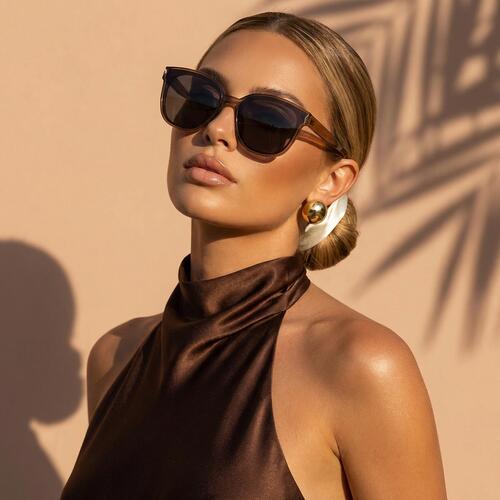
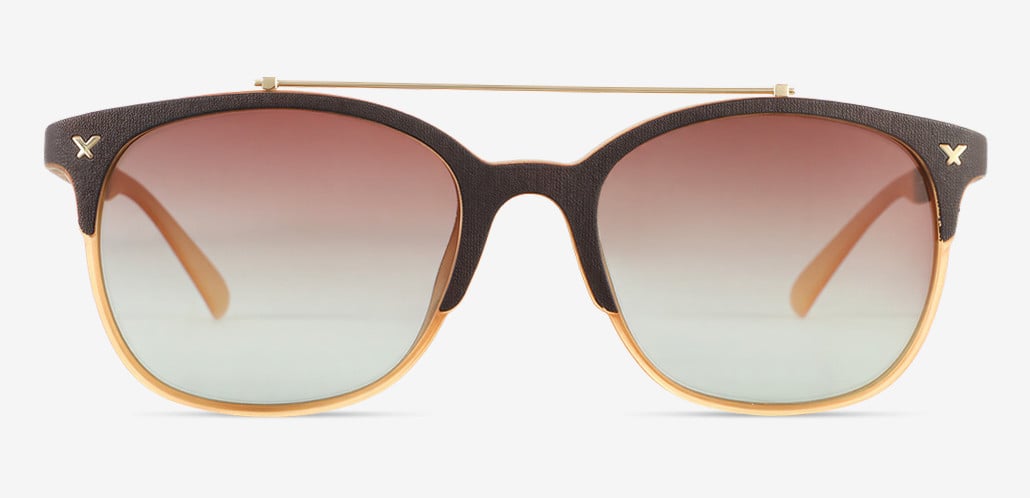
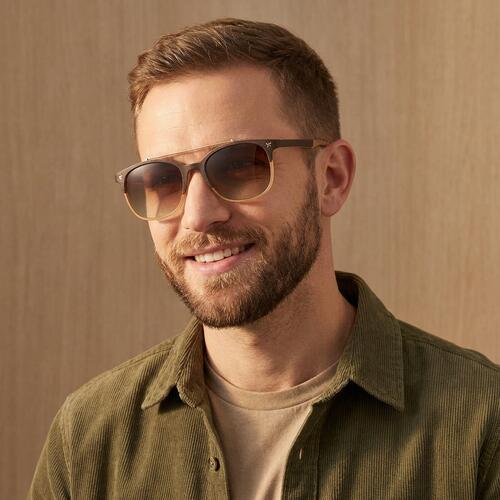
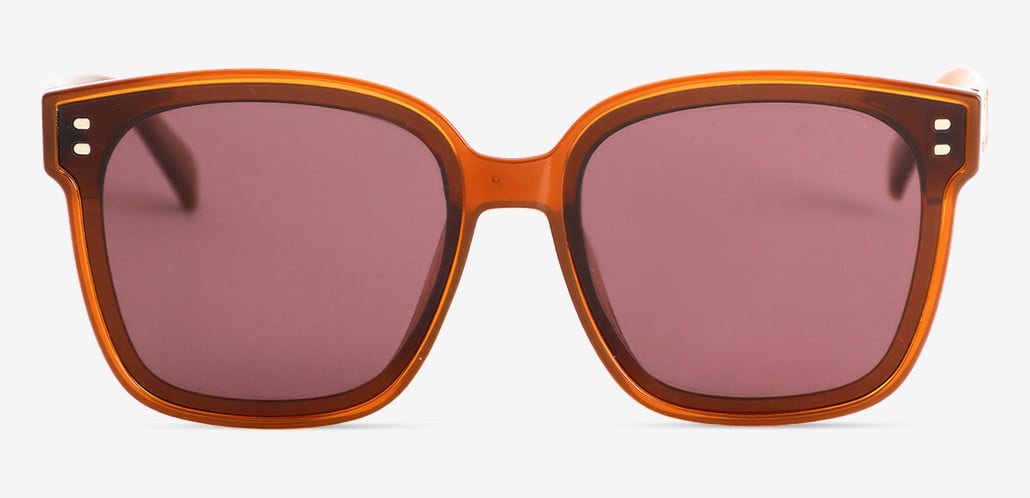
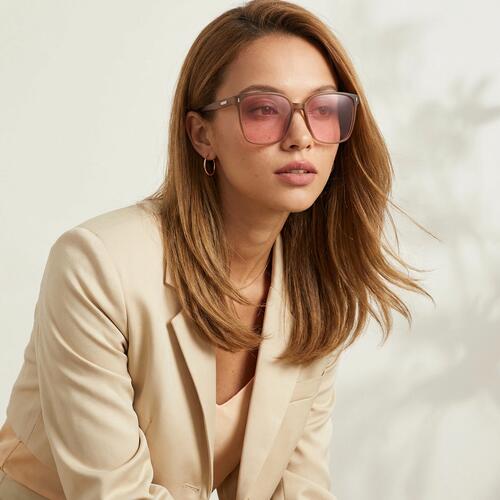


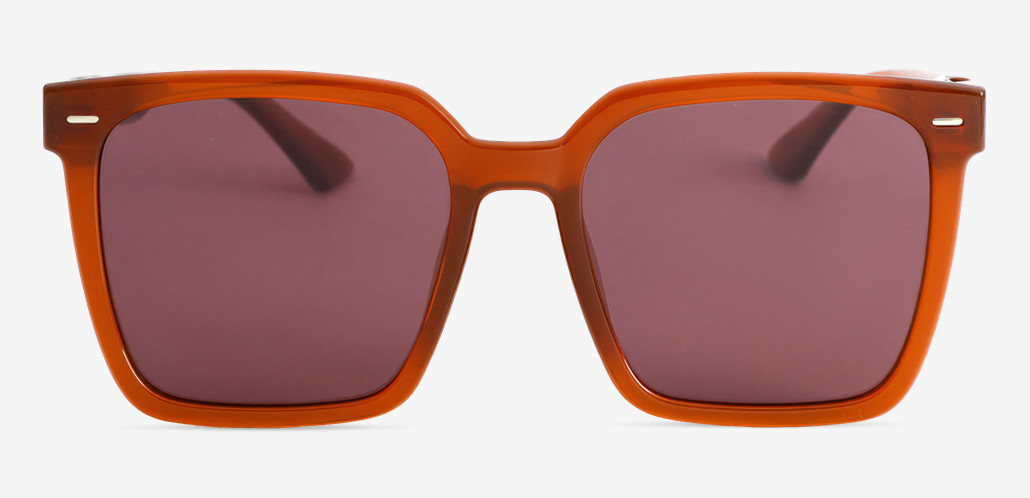
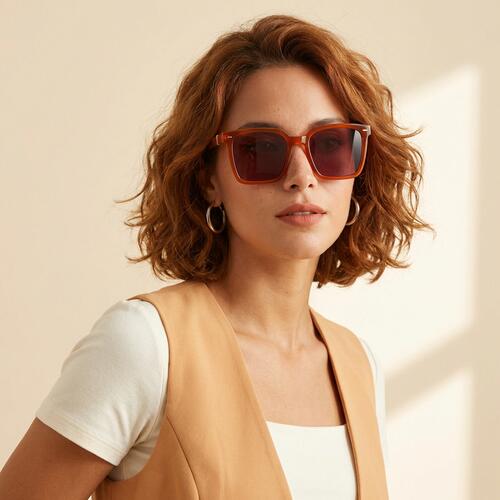
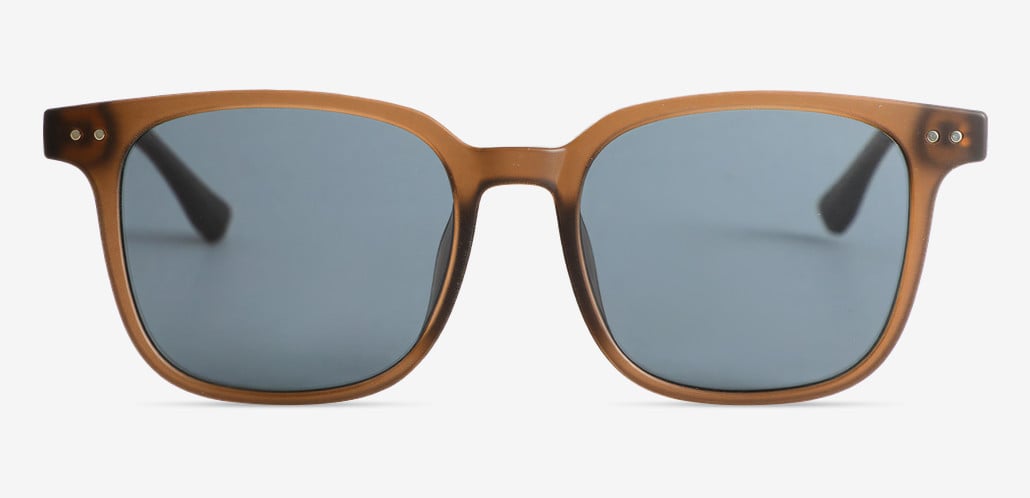


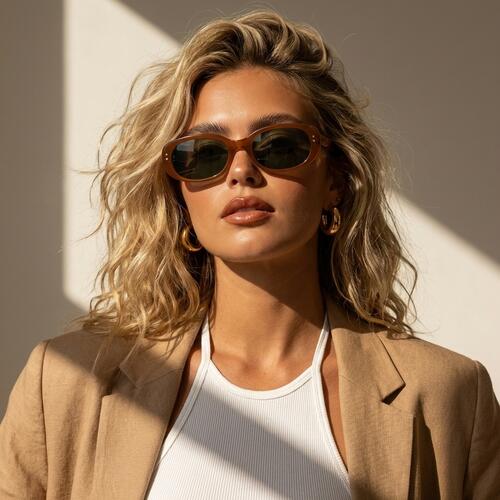


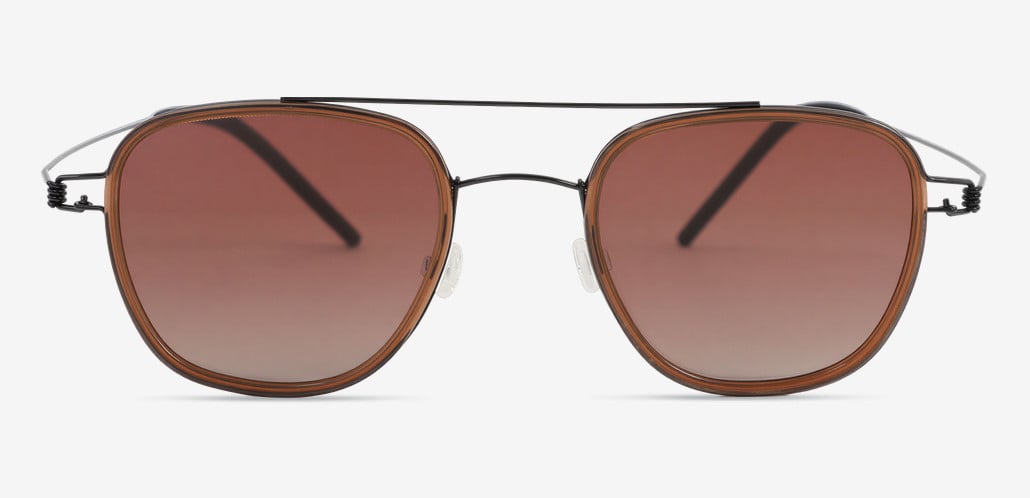
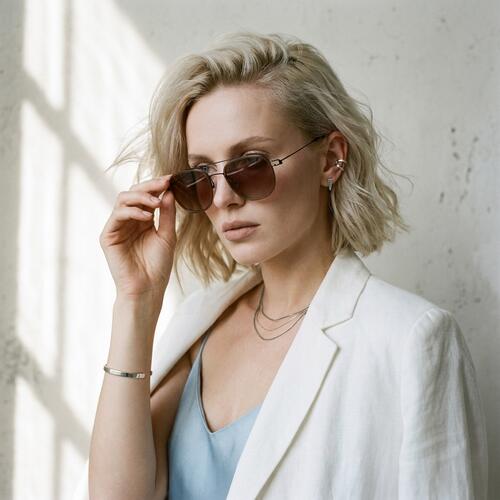
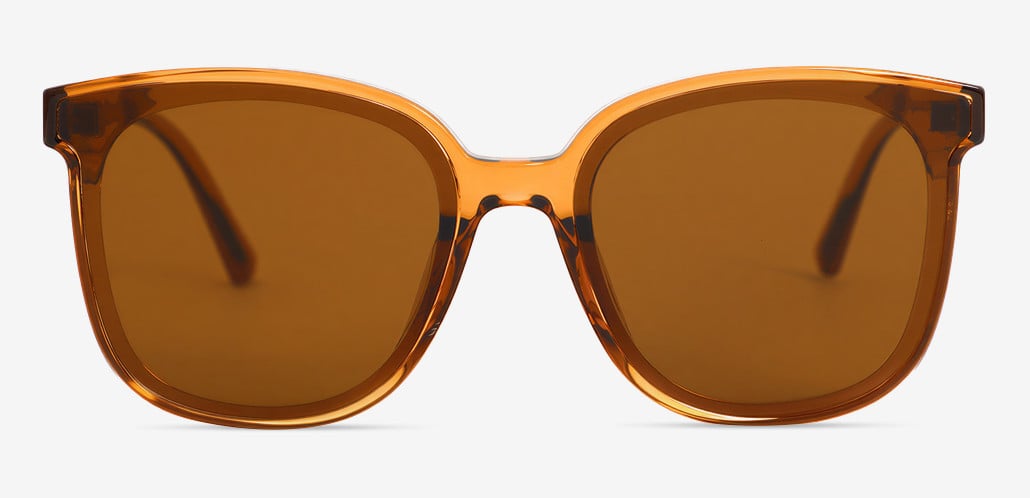





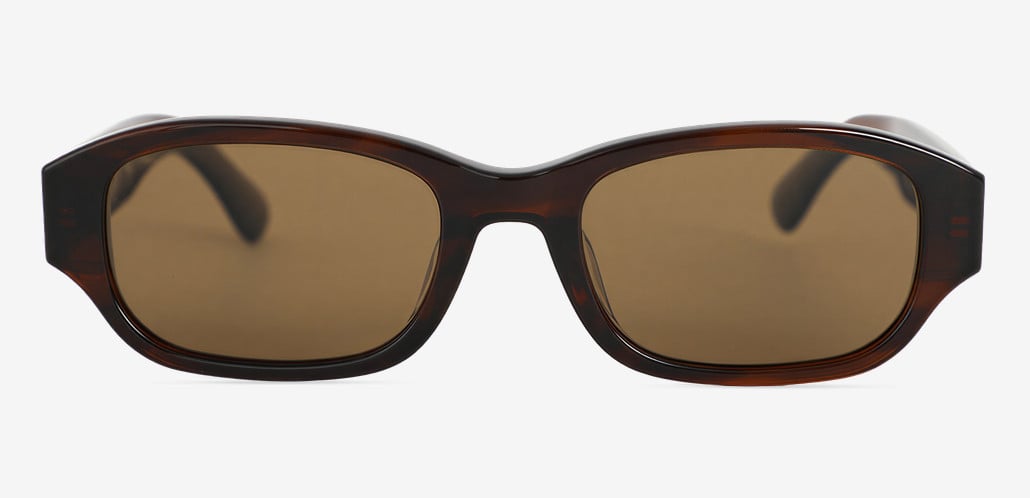
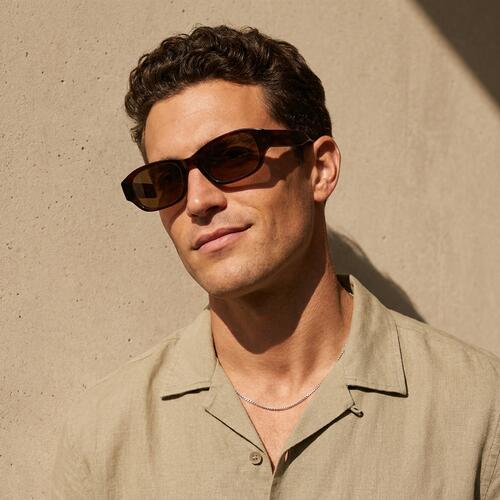
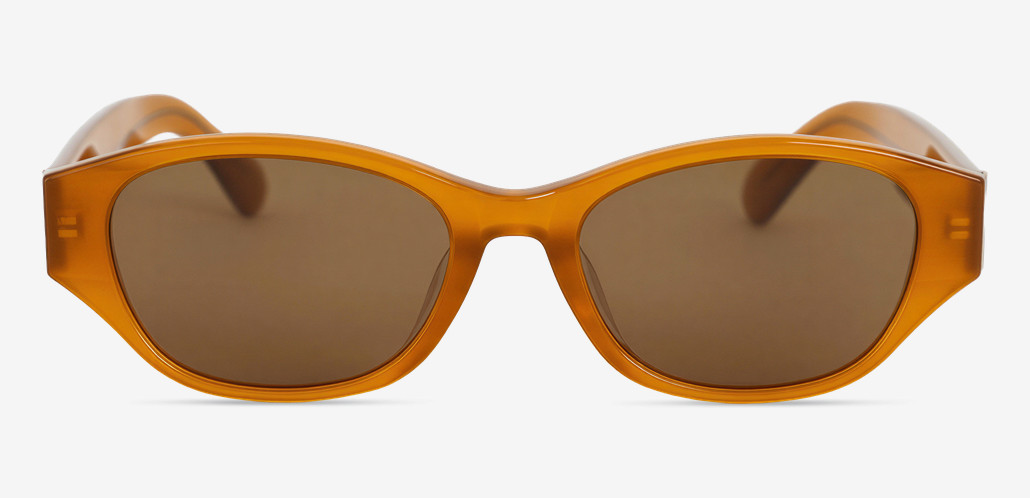

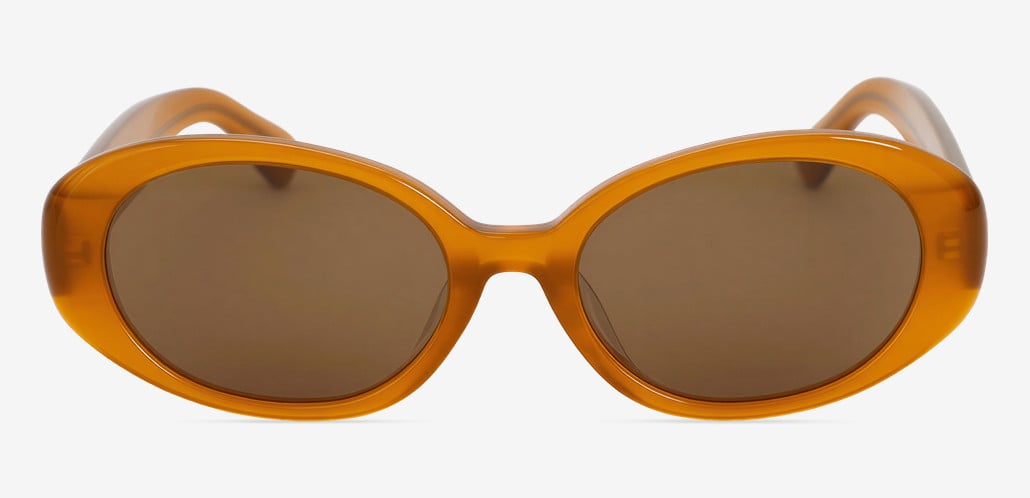
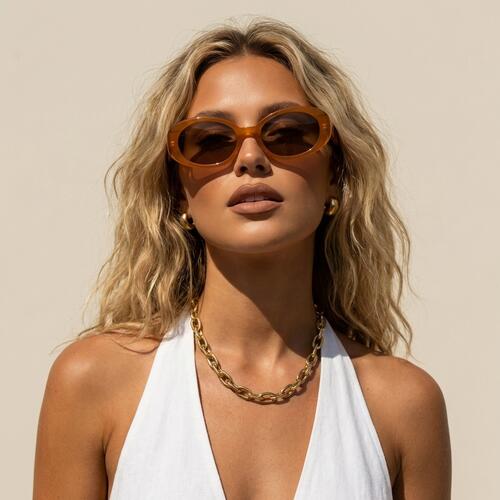
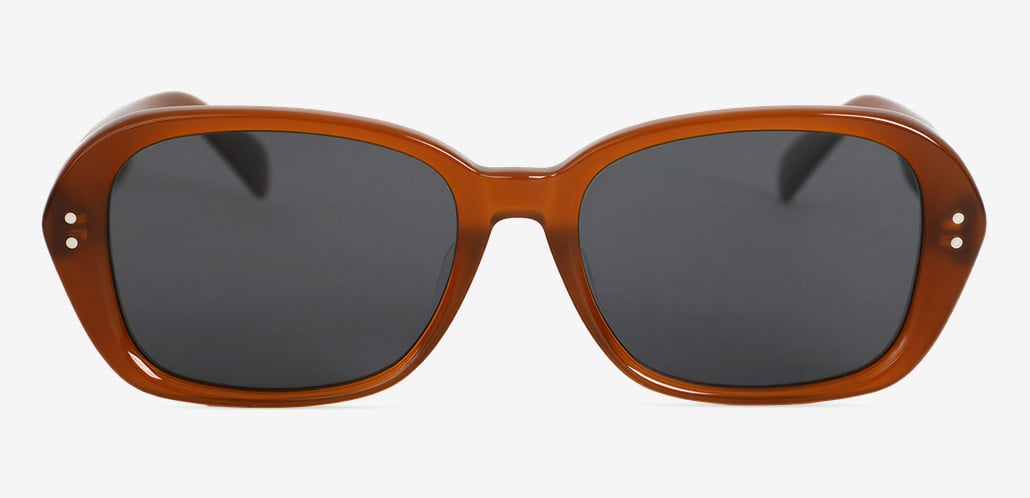
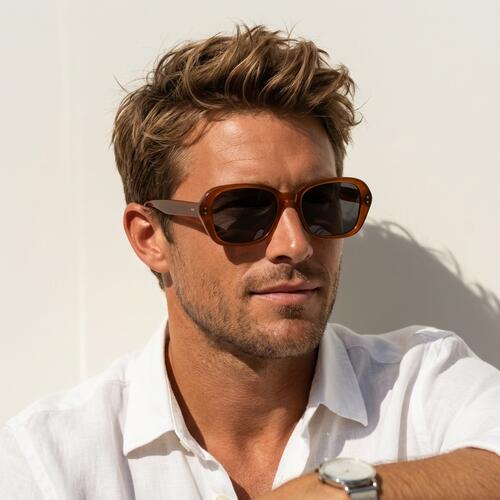


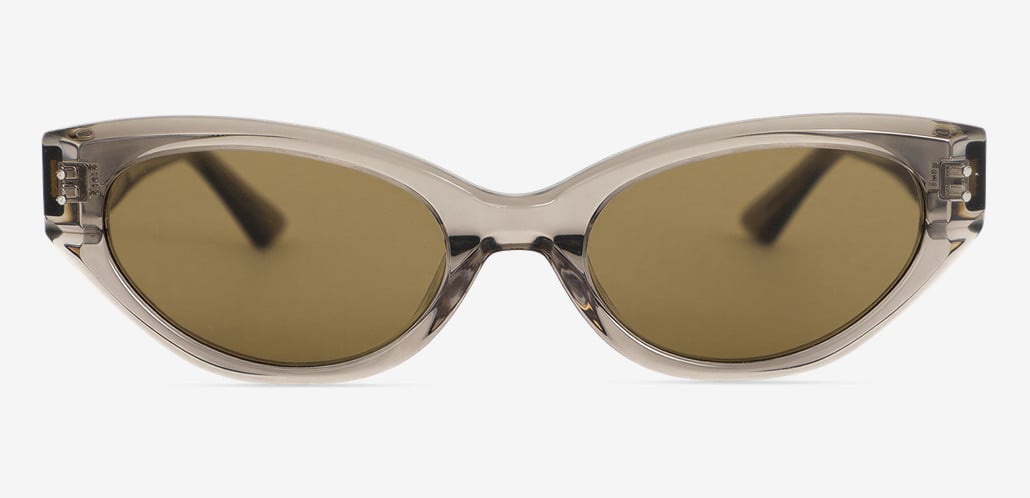

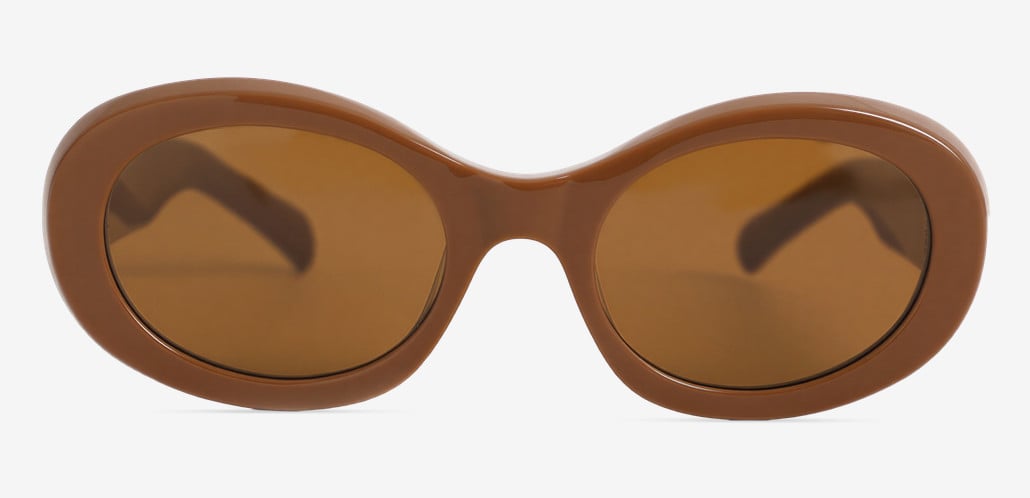
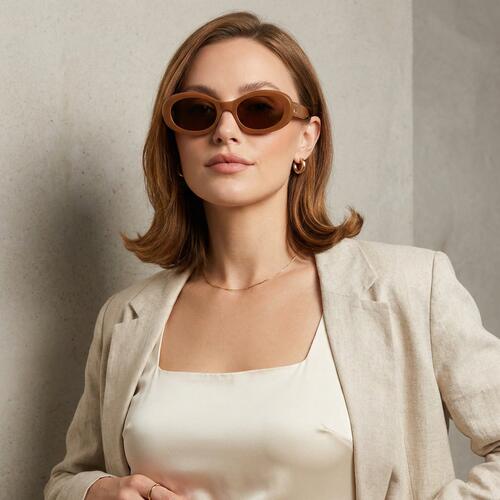
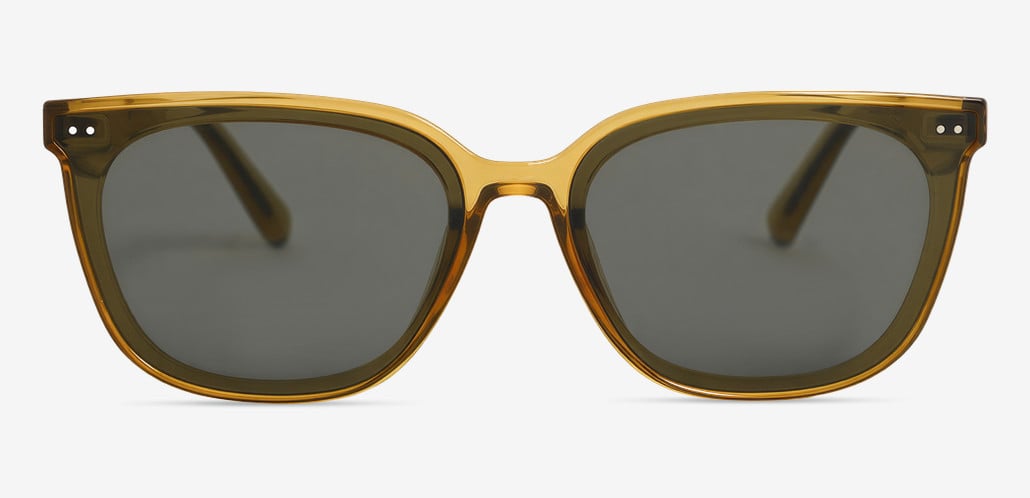
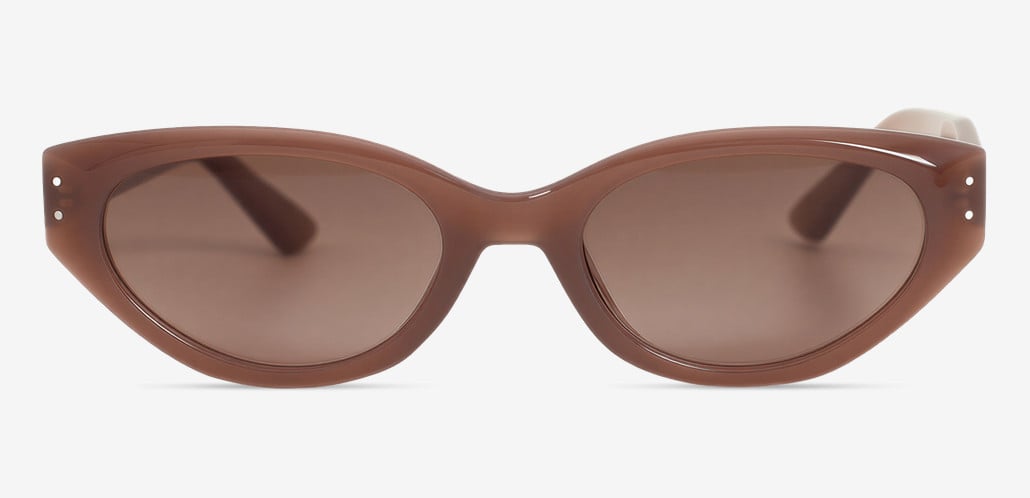



Brown Sunglasses
Frequently Asked Questions About Brown Sunglasses
Are brown lenses better than gray lenses?
Different jobs. Gray lenses keep colors true and cut overall brightness — best for intense, steady sun. Brown lenses trade a slight color warm-up for noticeably higher contrast and depth perception, which is why drivers and golfers tend to prefer them. In changeable or partly cloudy light, brown usually wins.
Are brown sunglasses good for driving?
Yes — brown is one of the best lens tints for driving. The tint filters blue light scatter, making road edges, brake lights, and distance easier to judge. For daily highway driving, consider the polarized brown options (15 styles here) to also kill windshield and wet-road glare.
What's the difference between brown and tortoise sunglasses?
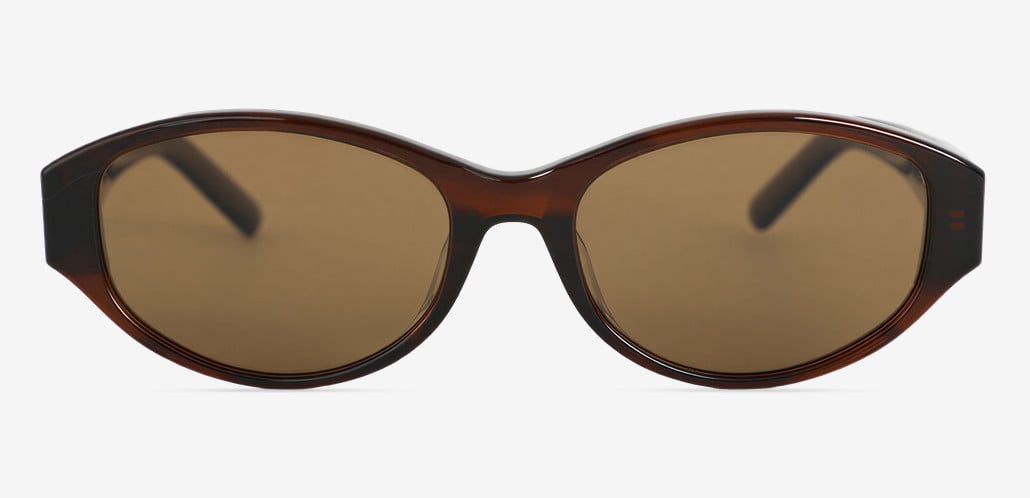
Solid brown is a single uniform shade; tortoise is a mottled pattern mixing amber, caramel, and black. Solid brown reads cleaner and more minimal, tortoise reads more vintage. If you want the pattern, browse our tortoise sunglasses collection.
Who do brown sunglasses look good on?
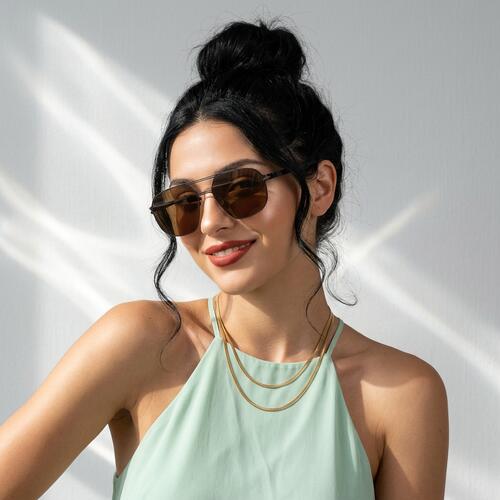
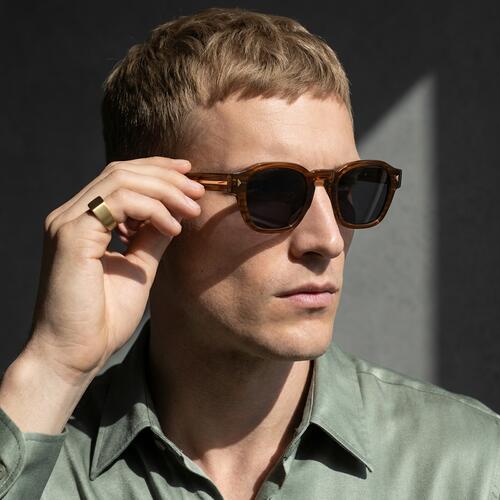
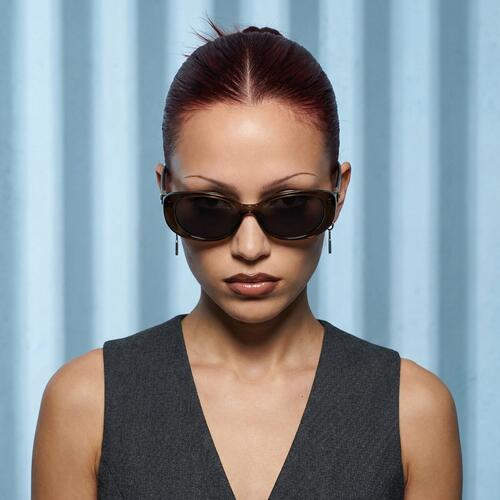
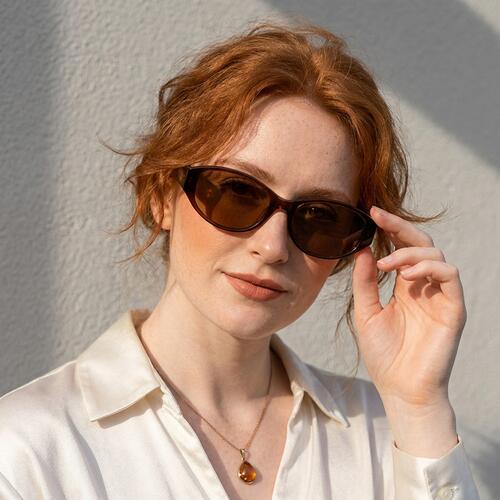
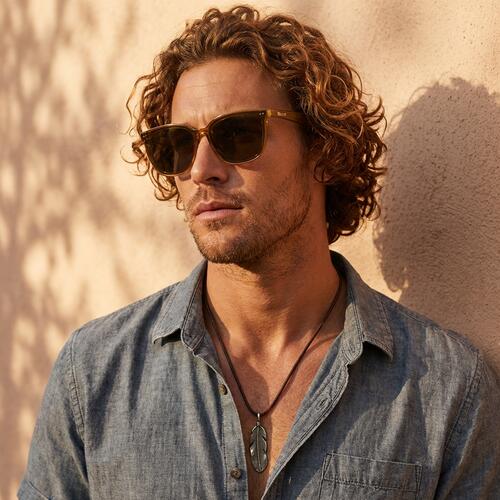
Almost everyone — that's the appeal. Warm undertones and brown, auburn, or blonde hair get an obvious match, but brown also softens contrast against cool undertones where black can look harsh. If you're between brown and black, brown is usually the more forgiving choice.
Can I get brown sunglasses in my prescription?
Yes. Nearly every frame on this page is Rx-ready — upload your prescription at checkout and choose single-vision, bifocal, or progressive brown tinted lenses. Prescription pairs typically ship in 7–10 business days, optician-verified before dispatch.